




 Language
 English
 Español
HOT PRODUCTS
Content
- 1 Why HoReCa Procurement Isn't Like Buying a Home Unit
- 2 The Total Cost Trap: Machine Price vs. Real Operating Cost
- 3 Confusing a Manual Soda Maker With a Plumbed Commercial System
- 4 Undersizing for Peak Service Volume
- 5 Overlooking Certification Requirements for Cross-Border Deployment
- 6 CO2 Cylinder Storage and Safety Compliance Gets Skipped
- 7 Choosing a Supplier Without Verifying Manufacturing Capacity
- 8 A Pre-Procurement Checklist for HoReCa Buyers
Why HoReCa Procurement Isn't Like Buying a Home Unit
A restaurant manager in Dubai orders a sparkling water dispenser rated for "500 cups a day," installs it before a busy Friday brunch service, and watches the tap slow to a trickle by the second seating. The spec sheet wasn't wrong. It just answered the wrong question.
Home buyers and HoReCa buyers are shopping for two different things wearing the same shape. A household unit only needs to satisfy scattered use across a day. A hotel bar, café counter, or gym hydration station needs to survive a concentrated rush without the water going warm or the fizz going flat. That gap between average daily volume and peak-hour demand is where most procurement mistakes for commercial-grade sparkling water systems built for hotels, restaurants, and cafés actually start.
The pitfalls below aren't exotic. They're the ordinary blind spots that procurement teams walk into when they treat a HoReCa purchase like a bigger version of a home appliance order.
The Total Cost Trap: Machine Price vs. Real Operating Cost
Procurement teams comparing quotes tend to line up unit prices side by side and pick the lowest number. That comparison ignores everything that happens after delivery.
A sparkling water dispenser is a small ecosystem, not a single purchase. CO2 cylinder refills, filter cartridge replacement cycles, plumbing modification labor, and routine descaling all show up months after the invoice is paid, and they scale with usage volume in ways a unit price never reflects. A machine priced 15% lower on paper can end up costing more over two years of daily restaurant service once refill frequency and filter turnover are factored in.
Before comparing quotes, ask each supplier for an estimated cost per 1,000 liters dispensed, including consumables. That single number normalizes machines with very different price tags and very different real-world economics. It also exposes which undercounter sparkling water systems with hidden CO2 and filtration components are genuinely built for continuous commercial cycling versus lightly adapted residential hardware.
Confusing a Manual Soda Maker With a Plumbed Commercial System
This mix-up sounds basic, but it happens more often in procurement than most buyers admit, especially when a purchasing decision is made from a catalog photo rather than a site visit.
A manual countertop soda maker carbonates one bottle at a time and requires someone to operate it by hand. A plumbed-in commercial dispenser is a continuously running system: it filters, chills, and carbonates mains water automatically and dispenses on demand through a tap or tower. The two categories look similar in a product listing and behave nothing alike under service pressure.
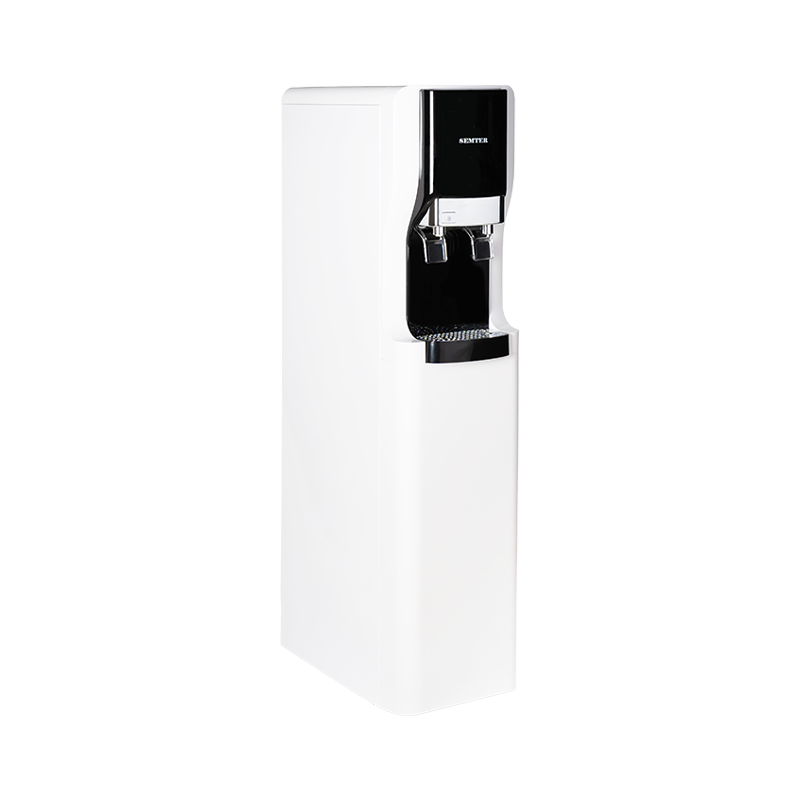
Treating them as interchangeable leads to two common failures. Buyers who need self-serve, high-frequency output end up with a manual unit that can't keep pace with a lunch rush. Buyers who only needed occasional carbonation end up over-investing in plumbing work they didn't require. Reading the practical differences between countertop and freestanding HoReCa models before shortlisting suppliers avoids this altogether.
Undersizing for Peak Service Volume
Most spec sheets advertise a headline output number, but that number is rarely qualified by duration. A dispenser that can produce 90 liters an hour under ideal conditions may still struggle if forty covers order sparkling water within a fifteen-minute window.
The relevant question isn't "how much water can this machine make in a day." It's "can this machine recover its chilling and carbonation capacity fast enough between pours during my busiest thirty minutes." A unit sized for average demand will show its weakness exactly when service quality matters most — the water arrives less cold, the bubbles fade faster, and staff start apologizing to guests.
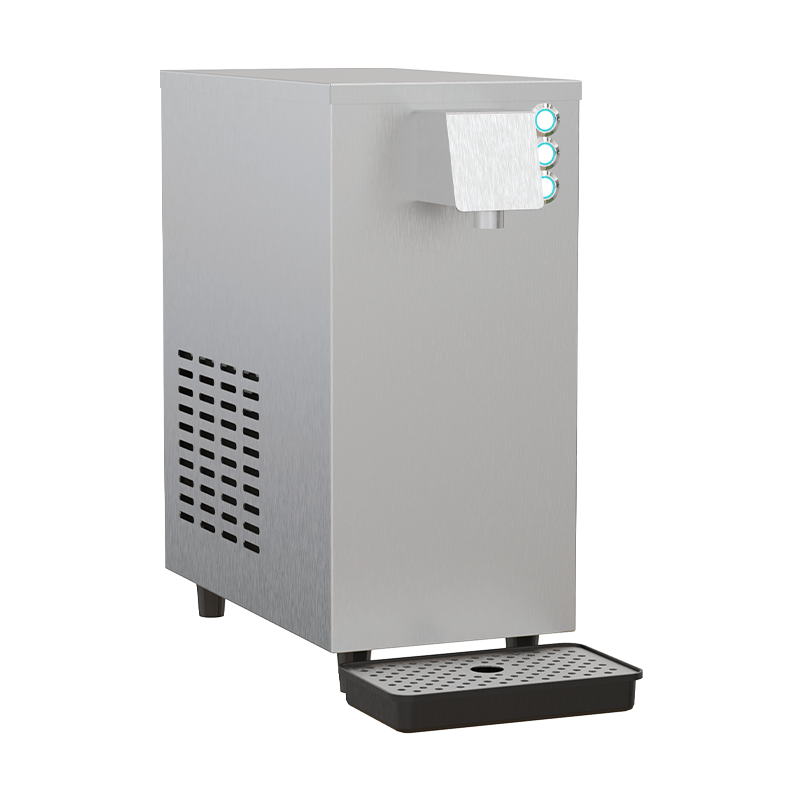
Sizing decisions should be based on peak-hour cover counts, not daily averages, and should include a buffer for events or seasonal spikes. This detailed guide to selecting and maintaining commercial sparkling water dispensers breaks down how to translate cover counts into the right output tier, and options like countertop commercial sparkling water dispensers for busy service counters are worth comparing specifically on recovery time, not just maximum daily throughput.
Overlooking Certification Requirements for Cross-Border Deployment
For a single independent café, certification marks can feel like a formality. For a hotel group sourcing equipment across multiple countries, or a chain responding to a corporate procurement tender, missing certification can stall a deployment entirely.
NSF and UL marks confirm that materials in contact with drinking water meet defined health-effects standards, and U.S. regulatory guidance on drinking water component standards outlines why these certifications carry weight with public health authorities and procurement compliance teams. CE marking, separately, is what allows equipment to be legally sold and installed across most European markets. A machine missing the certification relevant to its destination market isn't just a paperwork gap — it can be rejected at customs, flagged during a health inspection, or excluded from a tender shortlist outright.
Buyers sourcing for multi-country operations should request certificates before shortlisting, not after signing a purchase order, and should confirm the certificate covers the exact model and voltage configuration being shipped, not just the product family.
CO2 Cylinder Storage and Safety Compliance Gets Skipped
CO2 handling is usually the last thing discussed in a procurement conversation and the first thing an installer flags as a problem on-site. That sequencing causes avoidable delays.
Compressed gas cylinders need to be stored upright and properly secured against a stable surface, with enough clearance for safe removal and replacement — a requirement reflected in standard guidance on safe storage and handling of compressed gas cylinders. In a commercial kitchen or under a bar counter, that space is rarely available by default. It has to be planned for during the procurement stage, not discovered during installation week.
Ask suppliers upfront what cylinder size the system requires, how often it needs replacing at projected volume, and what clearance the cabinet or storage nook must provide. Skipping this conversation is how a fully paid installation ends up delayed by a last-minute request to knock through a cabinet wall.
Choosing a Supplier Without Verifying Manufacturing Capacity
Not every listing labeled "manufacturer" actually operates production lines. Some are trading companies reselling equipment from multiple factories, which can mean inconsistent quality between batches and slower resolution when something goes wrong under warranty.
For a HoReCa buyer placing a multi-unit order, or a distributor sourcing for resale, this distinction affects far more than price. A direct manufacturer can typically confirm production capacity, offer OEM customization, and provide consistent after-sales support because the same facility built the unit and stands behind it. A reseller often cannot.
Before finalizing an order, ask directly whether the company operates its own injection molding and assembly lines, request evidence of monthly production capacity, and confirm which entity is legally responsible for warranty claims. These questions take five minutes to ask and can save months of frustration if a batch arrives with a defect.
A Pre-Procurement Checklist for HoReCa Buyers
Most of the pitfalls above share a root cause: they surface after the purchase order is signed instead of before. The checklist below moves each one earlier in the process.
| Check | What to Confirm |
|---|---|
| Total cost of ownership | CO2, filters, install, and maintenance cost per 1,000 liters — not just unit price |
| Product category | Plumbed commercial system vs. manual soda maker, matched to actual service pattern |
| Peak output | Recovery speed during a 15–30 minute rush, not average daily volume |
| Certification | NSF/UL/CE coverage matched to the exact destination market and model |
| CO2 storage plan | Cylinder size, refill frequency, and cabinet clearance confirmed before installation |
| Supplier verification | Direct manufacturer vs. reseller, production capacity, warranty responsibility |
Running through this list before signing a purchase order takes a fraction of the time it costs to fix a mismatch after installation. For high-volume venues weighing several models side by side, this guide to durable sparkling water equipment designed for high-traffic commercial areas is a useful next step for narrowing the shortlist.


 ADDRESS
 CONTACT
 EMAIL
EMAIL