




 Language
 English
 Español
HOT PRODUCTS
Content
You have probably heard that drinking enough water matters, but plain still water can feel monotonous by mid-afternoon. Carbonated water offers the same hydration with a sensory lift, and the research behind it is more encouraging than many people expect. Studies link it to better digestion, greater fullness after meals, and an easier transition away from sugary sodas. It also raises practical questions: Does the fizz harm teeth? Can it cause bloating? And when you decide to add sparkling water to your daily routine, does the delivery method change the health picture? This article walks through the evidence, the caveats, and the buying considerations that actually matter.
What Counts as Carbonated Water?
Carbonated water is simply water into which carbon dioxide gas has been dissolved under pressure. The result is the familiar effervescence that gives sparkling water its crisp mouthfeel. Within that broad definition, you will find a few distinct categories:
- Club soda: Carbonated water with added minerals such as sodium bicarbonate or potassium sulfate for a slightly salty taste.
- Seltzer water: Plain carbonated water without added minerals; the closest match to what a home sparkling water dispenser produces.
- Sparkling mineral water: Naturally carbonated or carbonated spring water that contains minerals from its source.
- Tonic water: Carbonated water with added sweetener and quinine; nutritionally closer to a soft drink than to plain sparkling water.
The distinction matters because health benefits and risks are studied in the context of plain or minimally flavored carbonated water, not sweetened versions. A home sparkling water machine gives you the same unflavored product as seltzer, which is the category most strongly associated with positive health outcomes.
What the Evidence Says About the Benefits
Several well-established findings explain why carbonated water has earned a defensible place in a healthy hydration routine. The effects are modest rather than miraculous, but they are consistent enough to be clinically meaningful.
Improves Digestion and Relieves Constipation
The most consistent benefit in the research is digestive. A controlled trial published in the European Journal of Gastroenterology and Hepatology found that people with chronic constipation who drank carbonated water experienced significant improvements in bowel movement frequency and symptoms compared with those who drank still water. The carbon dioxide appears to stimulate intestinal motility, helping waste move through the digestive tract more efficiently. Another study focused on people with dyspepsia, or recurring upper abdominal discomfort, found that carbonated water reduced symptoms such as fullness and bloating after meals.
Increases Satiety and Supports Weight Management
Carbonated water can help with portion control. A study from the University of California found that subjects who consumed sparkling water with a meal reported feeling fuller than those who drank still water. The mechanism is likely physical: the gas expands the stomach, activating stretch receptors that signal satiety to the brain. For people trying to reduce calorie intake, replacing a sugary beverage with carbonated water removes the empty calories while preserving a satisfying drinking experience.
Provides Genuine Hydration
One persistent myth claims that carbonated water dehydrates you. The evidence does not support that. Research shows that sparkling water has similar hydrating effects to still water. The body absorbs the liquid in essentially the same way, regardless of dissolved gas. A 2021 review in Nutrients confirmed that carbonated water contributes to total fluid intake as effectively as plain water. For people who find flat water unappealing, choosing the carbonated version can mean the difference between adequate and inadequate hydration.
Helps Replace Sugary Drinks
Swapping soda for sparkling water is one of the most actionable dietary changes available. A 12-ounce can of cola contains roughly 39 grams of sugar, while plain carbonated water contains zero. In behavioral trials, people who made this substitution reduced their daily calorie intake by approximately 150 to 200 calories without feeling deprived, because the carbonation provides tactile and flavor sensations that mimic the soda experience. Unlike artificially sweetened beverages, plain sparkling water introduces no chemical sweeteners or metabolic concerns.
May Improve Swallowing Function
A less obvious but well-documented finding is that carbonated water can help with swallowing. A study in the American Journal of Gastroenterology observed that carbonated water improved swallowing frequency and clearance in patients with dysphagia, a condition that makes swallowing difficult. The carbon dioxide stimulates the pharyngeal mucosa and increases throat sensitivity, which aids the swallowing reflex. This is a niche benefit, but it speaks to the physiological reach of carbonation beyond basic digestion.
Bone Health Is Not Damaged by Carbonation
The old concern that carbonated water harms bones comes from a misreading of research on cola drinks. In the famous Framingham Osteoporosis Study, the negative bone effects were traced to the phosphoric acid in colas, not to carbonation itself. Studies that look at plain carbonated water, including a 2018 systematic review in Bone, found no adverse effect on bone mineral density. In fact, some carbonated mineral waters contain calcium and magnesium, which can contribute positively to bone health.
The Practical Risks and How to Manage Them
Carbonated water is not problem-free, but the risks are mostly manageable and dose-dependent.
Gas, Bloating, and Reflux
Because carbonation introduces gas into the stomach, people who are prone to bloating, burping, or reflux may experience discomfort. Carbonated water increases intragastric pressure, which can push stomach contents back up the esophagus in susceptible individuals. The solution is usually moderation and timing. If you have gastroesophageal reflux disease, drinking sparkling water between meals rather than with meals can reduce symptoms. For otherwise healthy people, the digestive benefits often outweigh minor gas discomfort.
Dental Enamel Concerns
Carbonated water is mildly acidic, with a pH typically between 3.5 and 4.5 depending on the brand and the level of carbonation. Pure water has a pH of 7. Acidic drinks can soften tooth enamel, but the key question is whether carbonated water causes measurable enamel erosion in real-world use. Most dental research concludes that plain sparkling water is far safer for teeth than sugary sodas or fruit juices. One in-vitro study found that carbonated water removed less enamel than orange juice and much less than cola. Adding citrus slices or acidic flavorings increases the risk, so keep plain carbonated water your default and avoid sipping it constantly throughout the day if you have concerns.
Added Sugars and Artificial Sweeteners Hide in Many Products
The health halo around sparkling water has led beverage companies to market sweetened products under similar names. Always check the label. A "sparkling water" with sugar, high-fructose corn syrup, or aspartame no longer carries the benefits discussed here. Plain carbonated water from a home dispenser avoids this risk entirely because you control what goes into the glass.
Practical Tips for Making Carbonated Water Part of Your Routine
If you want the health benefits without the environmental cost of single-use plastic bottles, a home sparkling water system is worth considering. The carbonation level is adjustable, so you can start with light fizz and gradually increase it as your digestive system adapts. You can also chill water before carbonating it; colder water absorbs more gas, creating a crisper and more stable carbonate that stays bubbly longer.
For families, a countertop model with multiple serving modes makes the habit easy to sustain. The home countertop sparkling water dispenser with integrated filtration is a practical example of this category. It combines filtration with carbonation, ensuring that the water entering your glass is both clean and effervescent, which supports the digestive and hydration benefits discussed above.
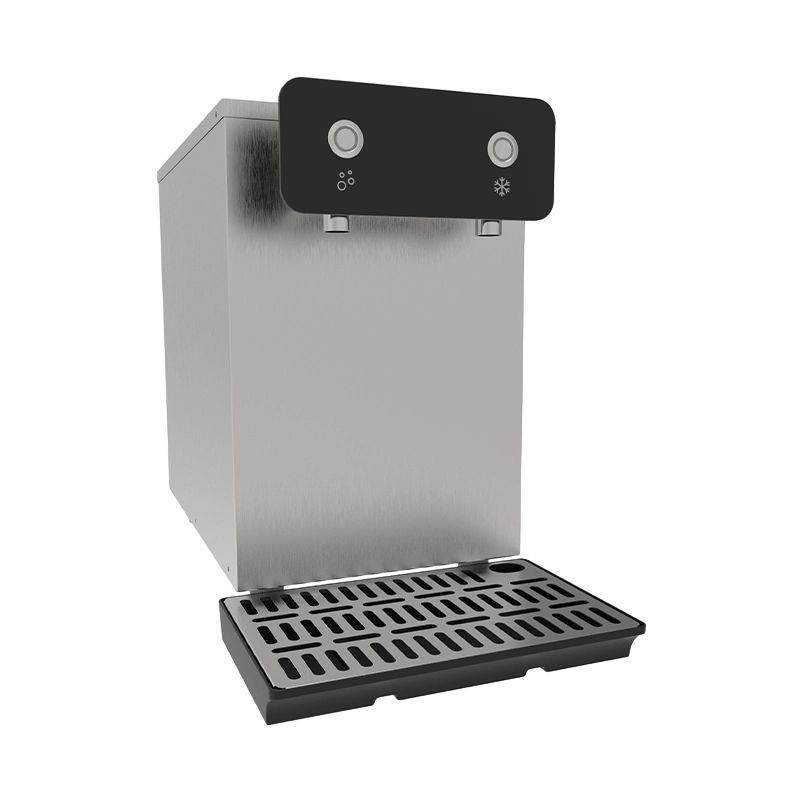
In a workplace setting, the habit tends to stick when the equipment offers simple operation and consistent performance. A dry-cooling office countertop sparkling water dispenser gives employees quick access to chilled, freshly carbonated water in a shared kitchen space, which can nudge an entire team toward choosing bubbles over sugar.
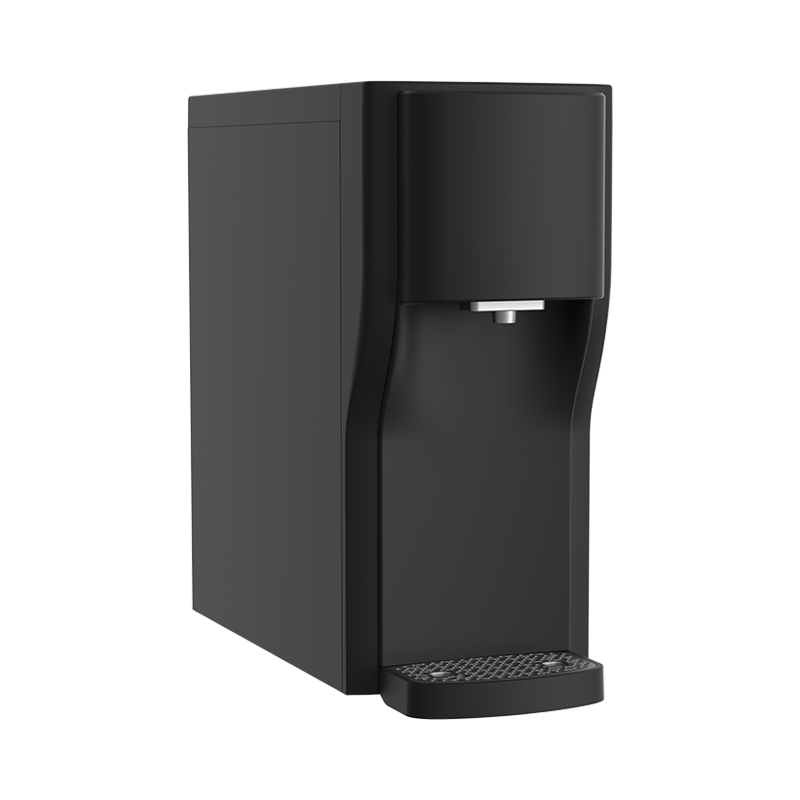 Custom FYT20A Office Countertop Sparkling Water Dispenser with Dry Cooling SysteNingbo Qiangxin Intelligent Technology Co., Ltd is China custom FYT20A Office Countertop Sparkling Water Dispenser with Dry Cooling Syste...View Product →
For hospitality and dining businesses, the same health arguments apply to guests. Restaurants that serve sparkling water on tap reduce bottle waste and offer a premium experience. A compact dual-tap countertop sparkling water dispenser for HoReCa fits behind a bar or service counter, delivering both sparkling and cold water without occupying valuable floor space.
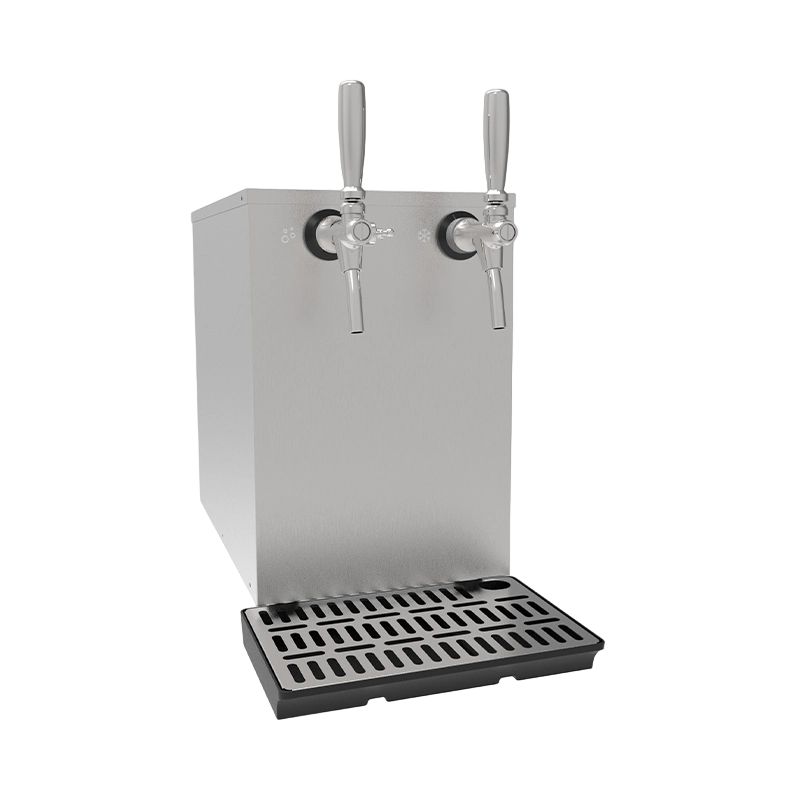 Custom BST30A Compact Countertop Dual-Tap Sparkling Water Dispenser for Horeca MNingbo Qiangxin Intelligent Technology Co., Ltd is China custom BST30A Compact Countertop Dual-Tap Sparkling Water Dispenser for Horeca m...View Product →
A Note on Equipment and Water Quality
The health outcome you get from sparkling water depends partly on the water you start with. If your tap water contains contaminants or tastes unpleasant, you are less likely to drink enough of it, carbonated or not. Filtration addresses that problem directly. Inline filters remove chlorine, sediment, and certain organic compounds while preserving beneficial minerals. Some sparkling water dispensers combine filtration and carbonation in one unit, which simplifies the workflow and ensures consistent quality with every glass.
When evaluating equipment, look for food-grade materials in the water path, NSF or similar certification for the wetted components, and a carbonation system that allows you to control the bubble level. These details determine both the taste and the safety of the final drink. For a deeper look at how filtration and carbonation interact, the guide on multistage filtration in undercounter water dispenser taps explains the technology in practical terms. If you are still deciding between installation styles, the broader comparison of carbonated water dispenser types and features can help match the equipment to your space and usage pattern.
The Bottom Line
Carbonated water is a healthy, hydrating choice for most people. It supports digestion, increases fullness, helps replace sugary drinks, and does not damage bones or teeth when consumed in its plain form. The primary drawbacks are mild and manageable: some people experience gas or reflux, and flavored or sweetened sparkling beverages may carry the same downsides as soda. If you enjoy the fizz and want to drink more water, the evidence says you should proceed without guilt. The only meaningful question left is how you prefer to make it available at home, in the office, or in a commercial setting.



 ADDRESS
 CONTACT
 EMAIL
EMAIL