




 Language
 English
 Español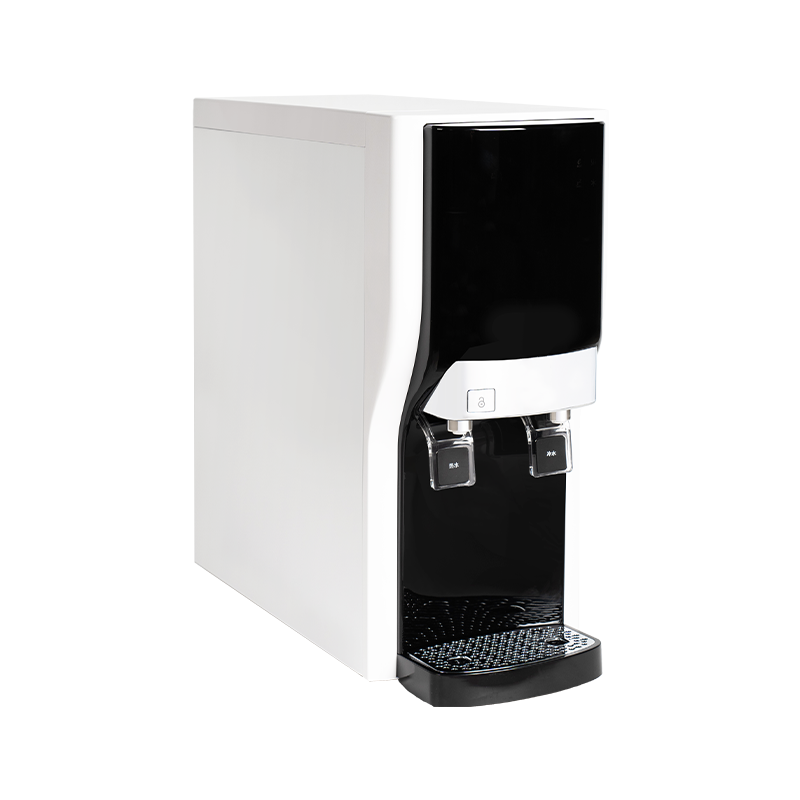
HOT PRODUCTS
Content
If you have been checking water quality reports or following the news about "forever chemicals," you have probably asked one straightforward question: does a water filter remove PFAS? The short answer is yes, but only if you choose the right technology. A standard sediment filter or a basic carbon pitcher will not necessarily do the job, while reverse osmosis and certain specialty carbon filters can reduce PFAS levels significantly. This guide explains what actually works, how to verify a filter's performance, and what to consider when shopping for a home or commercial unit.
Why PFAS Is Hard to Filter Out
PFAS, short for per- and polyfluoroalkyl substances, is a large group of synthetic chemicals used in non-stick coatings, stain-resistant fabrics, firefighting foam, and many industrial processes. These compounds are sometimes called "forever chemicals" because their carbon-fluorine bonds are extremely stable and do not break down easily in the environment. That stability also makes them difficult to remove once they enter water supplies.
Two compounds, PFOA and PFOS, have been studied the most, but there are thousands of PFAS variants. Some are short-chain molecules, some are long-chain, and they behave differently in water. This variability matters because a filter that performs well against one type of PFAS may be less effective against another. That is why you should look for certified filters rather than relying on general marketing claims.
Which Filter Technologies Remove PFAS
Three main treatment technologies have demonstrated meaningful PFAS reduction: granular activated carbon, anion exchange resin, and reverse osmosis. Each one works differently, and each has trade-offs in cost, maintenance, and water waste.
Granular Activated Carbon
Activated carbon adsorbs PFAS molecules onto its surface as water passes through. This is the same type of media used in many pitcher filters and countertop units, but the quality and volume of carbon matters a great deal. A thin carbon block with a short contact time may remove some taste and odor compounds while leaving PFAS largely untouched. A properly designed carbon filter with the right contact time and certified performance can be effective, especially for longer-chain PFAS like PFOA and PFOS.
Anion Exchange Resin
Anion exchange works by swapping negatively charged ions in the water with ions on the resin. Since many PFAS compounds carry a negative charge in water, the resin can capture them. This technology is often used in whole-house systems and commercial installations because it can handle higher flow rates and longer service life than carbon in some conditions, though it may need to be paired with other filtration steps for comprehensive treatment.
Reverse Osmosis
Reverse osmosis pushes water through a semi-permeable membrane that blocks a wide range of contaminants, including most PFAS. RO systems typically combine a sediment pre-filter, one or more carbon blocks, and the membrane itself, so they offer multiple barriers. Testing has shown that RO systems can remove 90 to 99 percent or more of PFAS when properly maintained. The main drawbacks are the cost, the need for periodic membrane replacement, and the fact that RO systems produce several gallons of wastewater for every gallon of filtered water.
| Filter type | How it works | Typical PFAS removal | Best use case |
|---|---|---|---|
| Granular activated carbon | Adsorbs PFAS onto carbon surface | Varies widely; certified models can reduce many PFAS | Countertop filters, under-sink filters, some refrigerators |
| Anion exchange resin | Swaps charged ions, capturing PFAS | High for many PFAS compounds | Whole-home systems, commercial applications |
| Reverse osmosis | Forces water through a semi-permeable membrane | High, often above 90 percent | Under-sink systems, point-of-use drinking water |
If you are considering a product that combines carbon filtration with a sparkling water dispenser, make sure the filter itself is rated for the contaminants you care about. A built-in filter that only improves taste will not necessarily handle PFAS. Some manufacturers offer upgraded filter options with additional stages, which can make a difference in what your dispenser removes.
What "Certified to Remove PFAS" Actually Means
Not every claim of PFAS removal is backed by independent testing. The most reliable way to compare filters is to look for certification to standards like NSF/ANSI 53 or NSF/ANSI 58. When a filter is certified to NSF/ANSI 53 for PFAS, it means an independent laboratory has verified that the product reduces specific PFAS compounds to a defined level. NSF/ANSI 58 covers reverse osmosis systems and includes performance requirements for contaminant reduction, including PFAS in some cases.
The EPA also recommends that consumers look for filters certified to NSF/ANSI 53 for PFOA and PFOS, or NSF/ANSI 58 for RO systems. Certification matters because it is the difference between a manufacturer's promise and an independent verification. If a filter is not certified, the manufacturer may still be telling the truth, but you have no third-party evidence to confirm it.
One important detail: certification is specific to the filter model and the contaminant claimed. A filter certified for chlorine reduction is not the same as one certified for PFAS. Always check the certification document or the listing on an accredited organization's website rather than relying on the filter box alone.
Why Filter Maintenance Affects PFAS Removal
Filter media does not last forever. Carbon becomes saturated as it adsorbs contaminants, and once saturation is reached, the media may release some captured compounds back into the water. This is also why replacing filters on schedule is critical. If you are using a carbon-based filter for PFAS reduction, do not wait until the water tastes different before replacing the cartridge. By that point, the media may already be exhausted.
Reverse osmosis membranes also degrade over time, and a punctured or fouled membrane will allow a higher percentage of contaminants to pass through. Most manufacturers recommend servicing RO systems every six to twelve months for pre-filters and post-filters, with membrane replacement every two to three years depending on feed water quality and usage. If you notice slower production, a change in taste, or a higher total dissolved solids reading, it is worth checking the condition of the membrane.
Filter replacement cost is a real ongoing expense. A high-performance cartridge may cost more up front, but if it has a longer certified life and you are actually drinking the recommended amount of water, the cost per gallon can be lower than you might expect. This is a useful way to compare systems that look similar in price but differ significantly in maintenance burden.
Choosing a Filter for Your Home
For a single drinking water tap, an under-sink countertop reverse osmosis system is the most dependable choice if PFAS is your primary concern. RO systems are widely certified, easy to monitor, and deliver treated water on demand. Some people prefer a countertop system because it requires no plumbing modifications and can be moved when needed. If you are already using a countertop sparkling water dispenser with a filter, you can check whether the manufacturer offers an upgraded filter cartridge that addresses more contaminants. But if certification for PFAS is your goal, verify the specific filter before buying, and look for a product that includes a built-in filter with clear performance data.
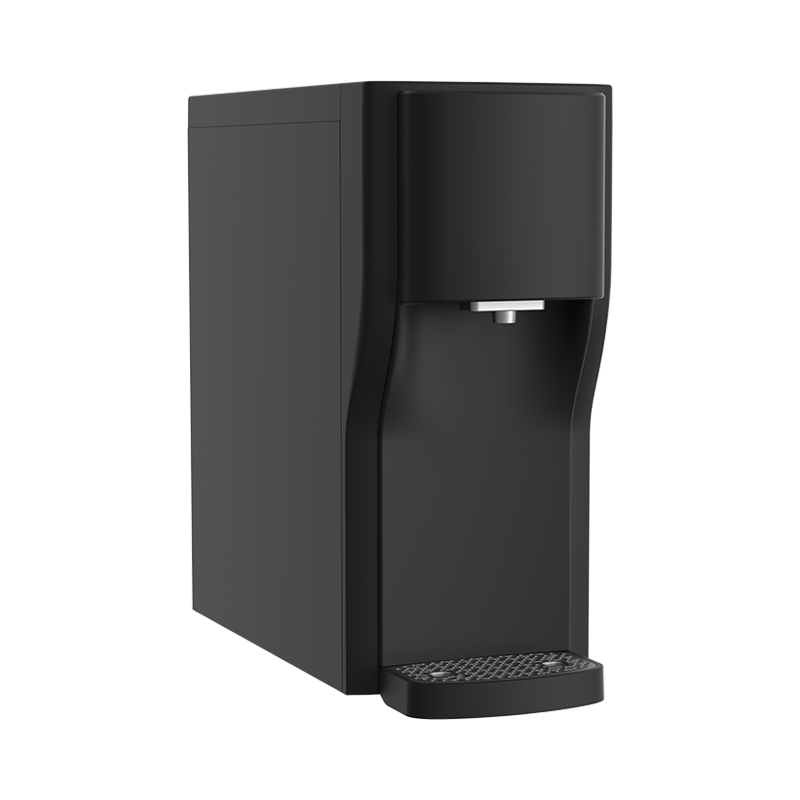
For those who want to combine a water dispenser with filtration, consider a model like the home countertop sparkling water dispenser with built-in filter. It is designed for kitchen bench use and includes a filtration stage, which makes it a practical choice for households that want filtered still water and sparkling water from the same appliance. Filter performance still needs to be checked against your specific water quality goals, but starting with a unit that already incorporates filtration reduces the amount of extra equipment you need on the counter.
 Custom Countertop Sparkling Water Dispenser For Home With Filter Manufacturers, Ningbo Qiangxin Intelligent Technology Co., Ltd is China custom Countertop Sparkling Water Dispenser For Home With Filter manufacturers a...View Product →
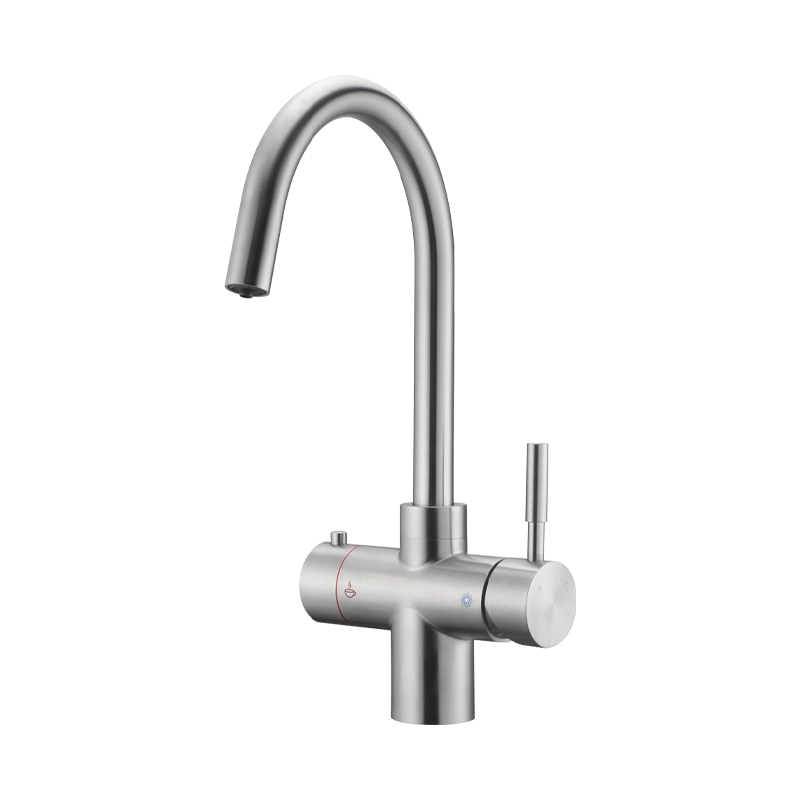
For kitchen renovations or more permanent installations, an under-sink unit with a separate tap keeps the counter clear and integrates better with the design of the kitchen. If you are planning such a setup, look at a site like our undercounter dispenser range to understand the different configurations available. The same idea applies to a multifunctional undercounter sparkling water dispenser, which saves space while delivering filtered and carbonated water at a dedicated tap.
What About Offices and Commercial Spaces?
PFAS concerns are not limited to residential tap water. Offices, restaurants, and other businesses that serve water to employees or customers are increasingly being asked about water quality. A commercial water dispenser can handle higher volumes, but its built-in filters need to be sized for the demand. A small pitcher-style filter that works for a family will be inadequate for an office pantry.
The same rules about technology and certification apply, but the selection criteria are different. For a high-traffic environment, you want a system with enough capacity and a straightforward maintenance schedule. Units with accessible filter design are easier to service, and that is worth factoring into your decision.
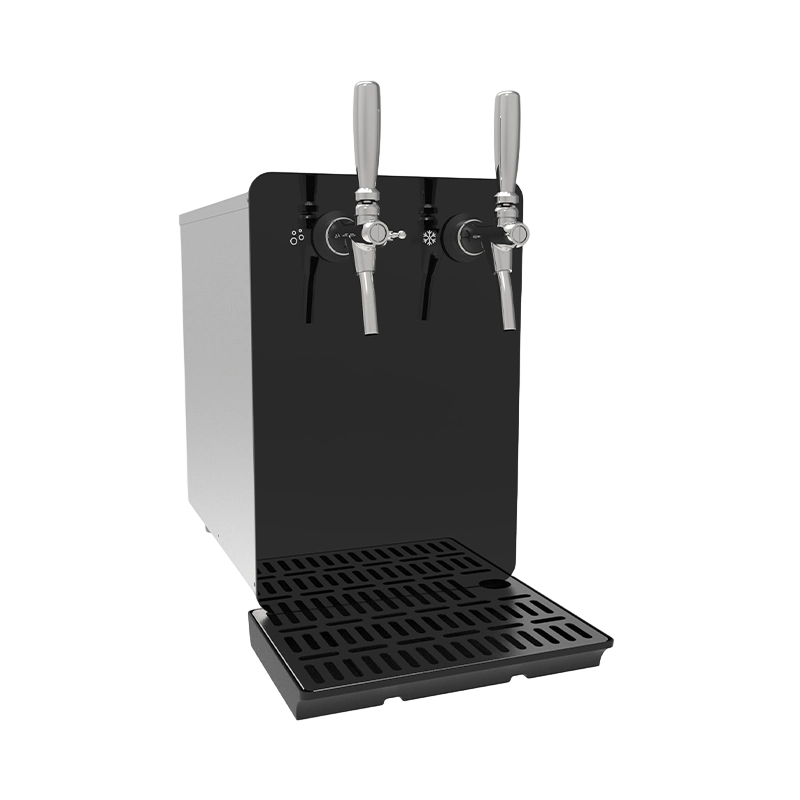
One example is the wall-mounted sparkling water dispenser with filtration-accessible design. It saves floor space and is built so the filter can be serviced without major disassembly. That kind of design matters in a commercial setting where downtime and maintenance cost are real concerns.
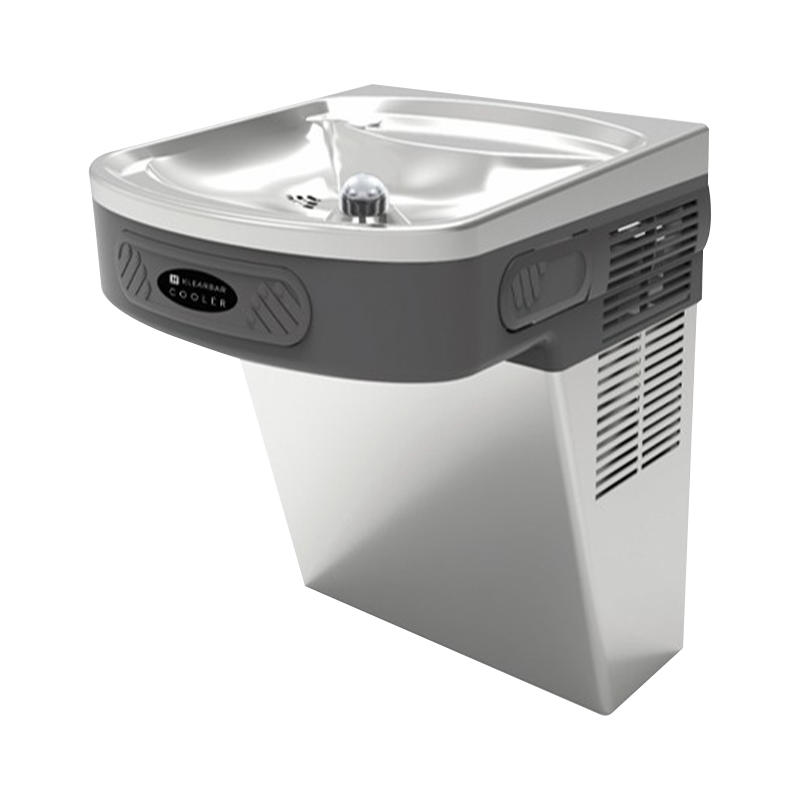 Custom BDW20A Wall Mounting Sparkling Water Dispenser with Filtration AccessiblNingbo Qiangxin Intelligent Technology Co., Ltd is China custom BDW20A Wall Mounting Sparkling Water Dispenser with Filtration Accessibl...View Product →
If you run a restaurant or café, you might also want to read through our article on filtration options for commercial sparkling water dispensers, which covers how to match a filter to the water volume of a busy bar or kitchen. For applications where counter space is tight and the serving area is compact, a high-capacity undercounter sparkling water dispenser can provide a large filtered water supply without occupying valuable service space.
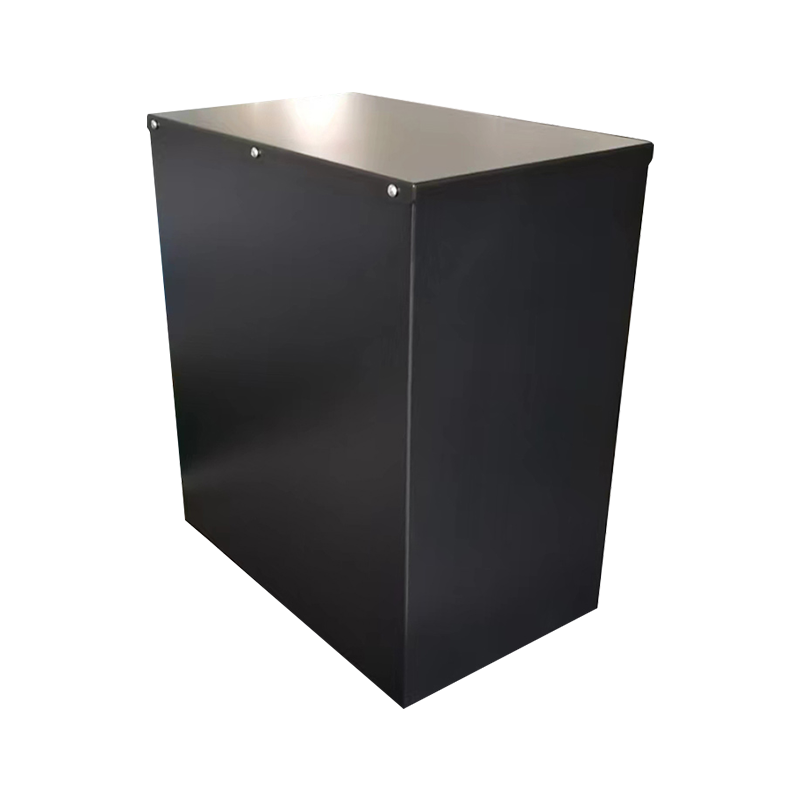 Custom High Capacity Home Undercounter Sparkling Water Dispenser Manufacturers, Ningbo Qiangxin Intelligent Technology Co., Ltd is China custom High Capacity Home Undercounter Sparkling Water Dispenser manufacturers a...View Product →
How to Verify a Filter Before You Buy
Before purchasing any filter or water dispenser with filtration, take the following steps. First, find out what is actually in your water. Check your local consumer confidence report, which most municipal water suppliers publish annually. If you are on a private well, consider a laboratory test for PFAS, because the EPA has established health advisories for a group of these compounds and testing methods are now widely available.
Second, look for certification to NSF/ANSI 53 or NSF/ANSI 58 specifically for PFAS, PFOA, or PFOS. If you cannot find a certification document for the exact model you are considering, contact the manufacturer and ask. A reputable manufacturer will gladly share third-party test results.
Third, think about your local water quality. Hard water, high sediment, or high levels of organic matter can reduce the life of a carbon filter or cause fouling in a reverse osmosis membrane. In those situations, adding a pre-filter or choosing a system with a sediment stage is not optional; it is necessary to keep the PFAS-removing stage working properly.
The Bottom Line
Yes, a water filter can remove PFAS, but only with the right technology and proper maintenance. Reverse osmosis is the most consistently effective option for point-of-use applications, followed by certified anion exchange resins and high-quality activated carbon systems. Do not rely on generic "carbon filter" labels or vague claims. Look for independent certification, confirm the filter model in its documentation, and plan for regular replacement of the media.
For households, an under-sink or countertop system with a dedicated drinking tap is the most practical route. For offices and commercial food service, you need a unit with enough capacity and accessible filtration design. And if you are interested in a sparkling water dispenser that includes built-in filtration, make sure you ask what exactly the filter removes and how long it lasts before you make a purchase. The right filter will protect the water you drink, and it will also make sure your sparkling water is made from clean, good-tasting water in the first place.


 ADDRESS
 CONTACT
 EMAIL
EMAIL