




 Language
 English
 Español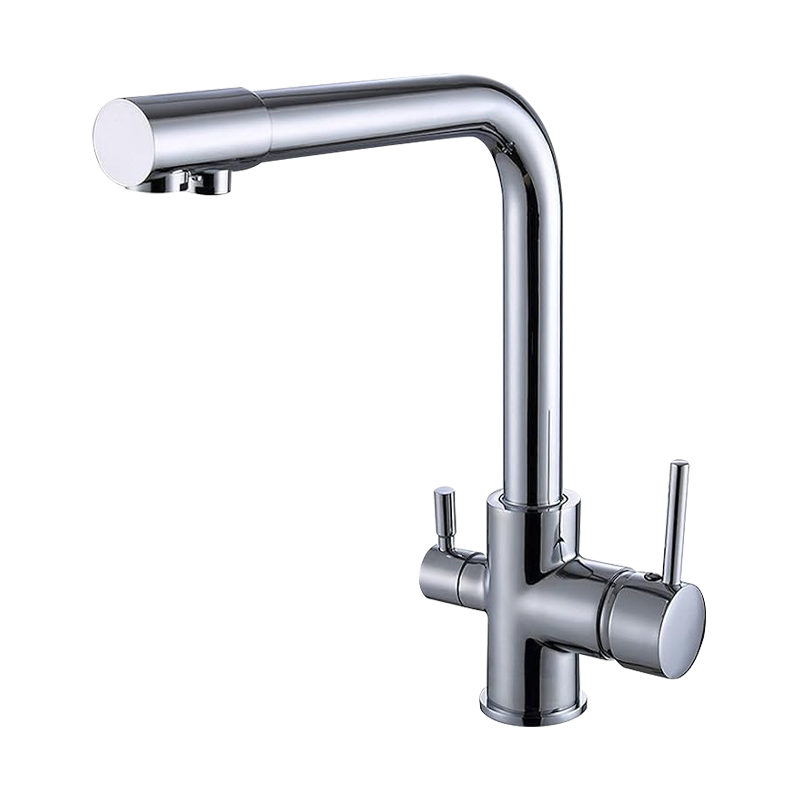
HOT PRODUCTS
Content
Order a sparkling water at a specialty coffee shop and a soda water at a cocktail bar, and the two glasses look nearly identical: same bubble size, same clarity, same chill. Check the labels, though, and the difference becomes clear. Soda water is carbonated water with dissolved mineral salts, most commonly sodium bicarbonate, added to mimic the character of natural mineral water. Sparkling water is carbonated water with nothing else added. That one addition changes the taste, the sodium level, and the way each behaves in a drink, which is exactly why the two terms are so often confused.
What Is Actually in the Bottle
Both drinks belong to the broader category of carbonated water, which also includes seltzer, club soda, sparkling mineral water, and tonic water. Labels are not perfectly standardized, and manufacturers sometimes swap names, but the ingredient list always tells the truth.
Sparkling Water and Seltzer
Sparkling water is plain water carbonated with pressurized carbon dioxide. In North America, the same product is often called seltzer. It contains no minerals, no sweeteners, and no flavoring. If the label lists only carbonated water, you are holding plain sparkling water. For a closer look at how the bubbles actually form, the science behind the fizz explains the process step by step.
Soda Water and Club Soda
Soda water starts as carbonated water and then receives a mineral boost. The most common additive is sodium bicarbonate, which is why the name soda water has stuck. Brands may also add sodium chloride, potassium sulfate, or sodium citrate to adjust the mouthfeel. Club soda is a close cousin with a similar mineral blend, and in most bars the two are used interchangeably. Neither has a fixed legal recipe, so sodium levels vary from brand to brand. The practical rule is simple: if the label mentions bicarbonate or other mineral salts, it is soda water or club soda, not plain sparkling water.
Sparkling Mineral Water and Tonic Water
Sparkling mineral water is carbonated naturally at the geological source and keeps its natural mineral profile, so its taste depends on the spring it comes from. Tonic water is a different product altogether: carbonated water with quinine and a sweetener, which makes it a flavored drink rather than one of the plain fizzy waters discussed here.
| Type | Bubbles come from | Added minerals | Typical sodium per 250 ml | Taste profile |
|---|---|---|---|---|
| Sparkling water (seltzer) | Injected CO2 | None | 0 to 5 mg | Clean, crisp, neutral |
| Soda water | Injected CO2 | Sodium bicarbonate, sometimes sodium chloride | 30 to 60 mg | Faintly salty, mineral finish |
| Club soda | Injected CO2 | Sodium bicarbonate, sodium citrate, potassium sulfate | 30 to 50 mg | Similar to soda water |
| Sparkling mineral water | Carbonated at source | Naturally occurring minerals | Varies by source | Depends on the spring |
| Tonic water | Injected CO2 | Quinine plus sugar or sweetener | Varies | Bitter-sweet, flavored |
Taste: Can You Tell Them Apart?
In a side-by-side taste test, most people can tell the difference, but it is subtle. The bicarbonate in soda water raises the pH slightly and leaves a dry, faintly metallic saltiness on the finish. Sparkling water tastes like nothing but clean, cold bubbles. That is why the choice is usually driven by the drink rather than by preference alone: bartenders often reach for soda water in highballs and long drinks because the mineral salts tighten the flavor, while sparkling water is the default when you want an unobtrusive, pure fizz.
The freshness of the carbonation matters at least as much as the mineral content. A half-open bottle of sparkling water loses pressure within hours, and the bubbles become coarse and uneven. Dispensed systems carbonate water on demand, so every glass pours at the same carbonation level. This consistency is one of the quieter reasons restaurants and offices have moved away from bottled fizzy water.
Health Notes: Sodium, Acidity, and Dental Enamel
Sodium Content
Soda water carries roughly 30 to 60 mg of sodium per glass, while plain sparkling water usually stays below 5 mg. For most healthy adults, that difference is irrelevant, but on a sodium-restricted diet it adds up across several glasses a day. If your doctor has limited your sodium intake, choose plain sparkling water and check the label before buying anything that calls itself soda.
Acidity and Teeth
Both beverages are acidic because dissolved CO2 forms carbonic acid, with a typical pH range of 4 to 5. Soda water often sits at the higher end of that range because bicarbonate acts as a buffer. The enamel erosion risk of plain sparkling water is real but modest, and it is far lower than the risk from sugary soft drinks, which combine the same acidity with fermentable sugar. Drinking fizzy water with meals and avoiding constant sipping throughout the day keeps that risk small. If you want the full picture on the acidity debate, this overview of whether sparkling water is acid or alkaline in pH terms covers the chemistry in detail.
Digestion and Fullness
Some people find carbonated water improves swallowing and promotes a feeling of fullness, which can help with portion control. Neither beverage has a meaningful effect on bone health at normal consumption levels. If you are choosing between the two for health reasons alone, the difference comes down to sodium.
Cooking and Cocktails: When the Swap Matters
As a general rule, sparkling water and soda water are interchangeable in everyday drinking. For lighter texture in batters, sparkling water is the better choice because the CO2 bubbles create a fluffier result in tempura and pancakes. In mixed drinks, soda water delivers the classic dry, soda-fountain finish expected in a whisky highball, while sparkling water keeps delicate cocktails cleaner on the palate.
If a recipe calls for soda water and you only have sparkling water, a pinch of salt adds back some of the mineral character. If you have soda water where sparkling water is specified, you may notice a slightly sharper aftertaste in very delicate drinks, so adjust the ratio if needed. The one swap to avoid is tonic water, whose quinine and sweetener change the entire recipe. Choosing between the two for your kitchen or bar is less about one being superior and more about matching the mineral profile to the drink.
Dispensing Your Own Fizz: The Practical Upgrade
The practical question for a home kitchen, an office pantry, or a restaurant bar is not which bottle to stock, but whether to stock bottles at all. A water dispenser that carbonates filtered water on demand produces plain sparkling water in the seltzer style, which is what most people actually want for daily drinking and mixing. If you prefer the mineral note of soda water, you can match it by using a naturally mineral-rich water supply or adding a pinch of mineral salt at serving, a common practice in tasting rooms.
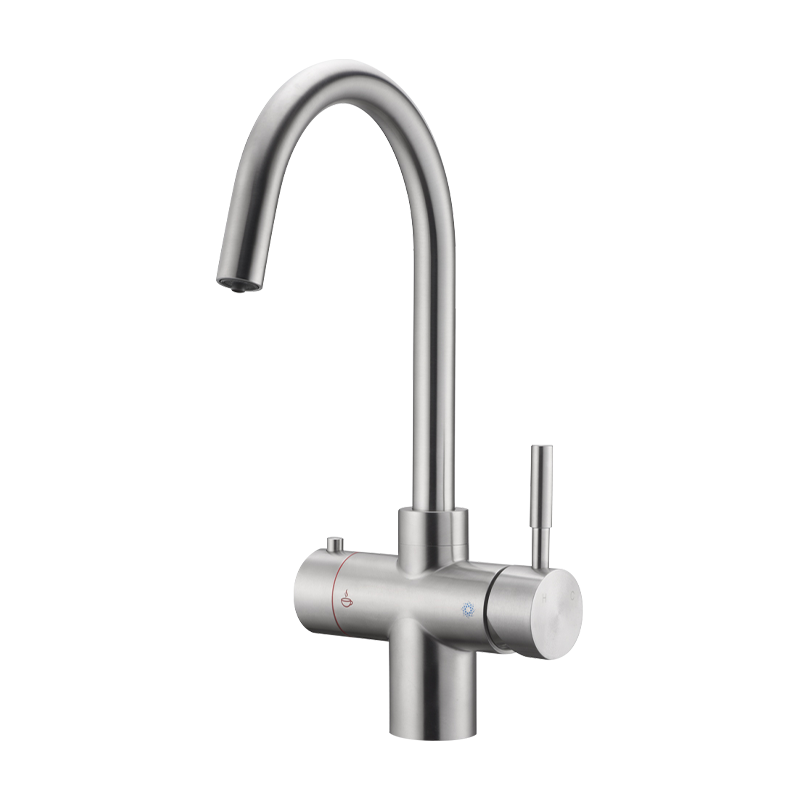
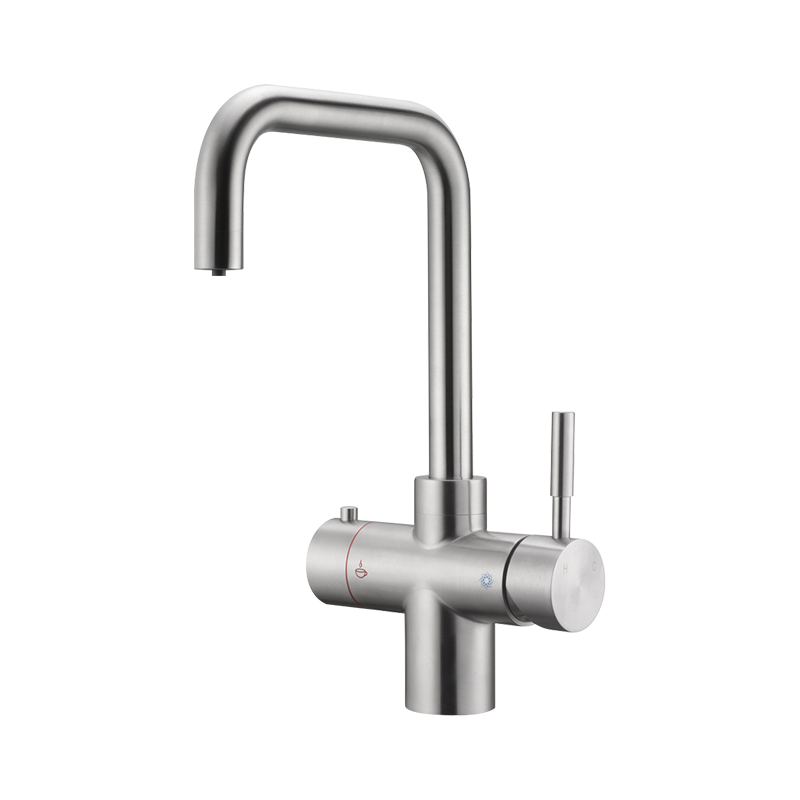
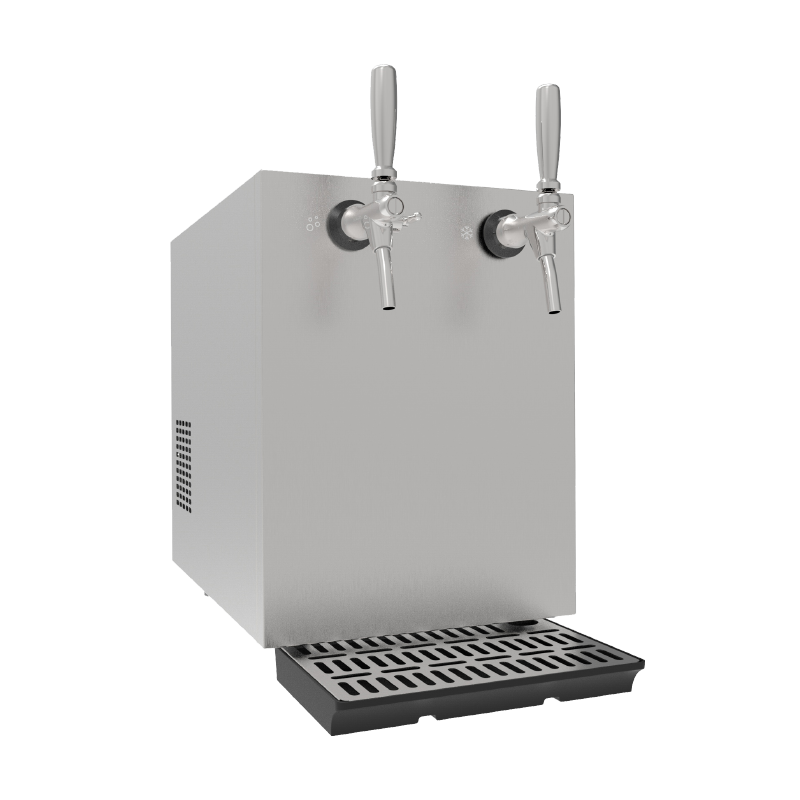
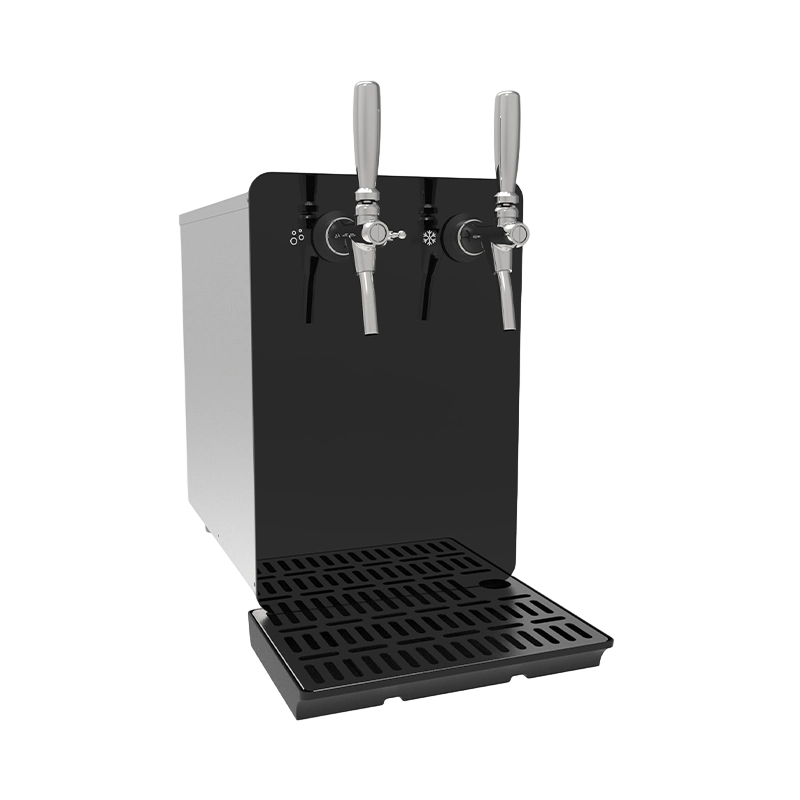
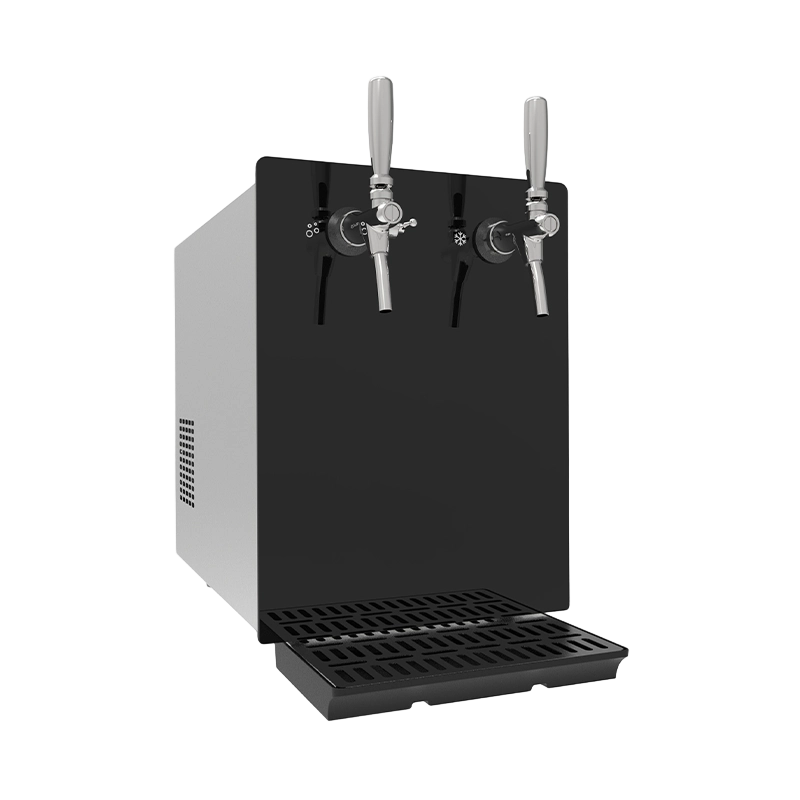
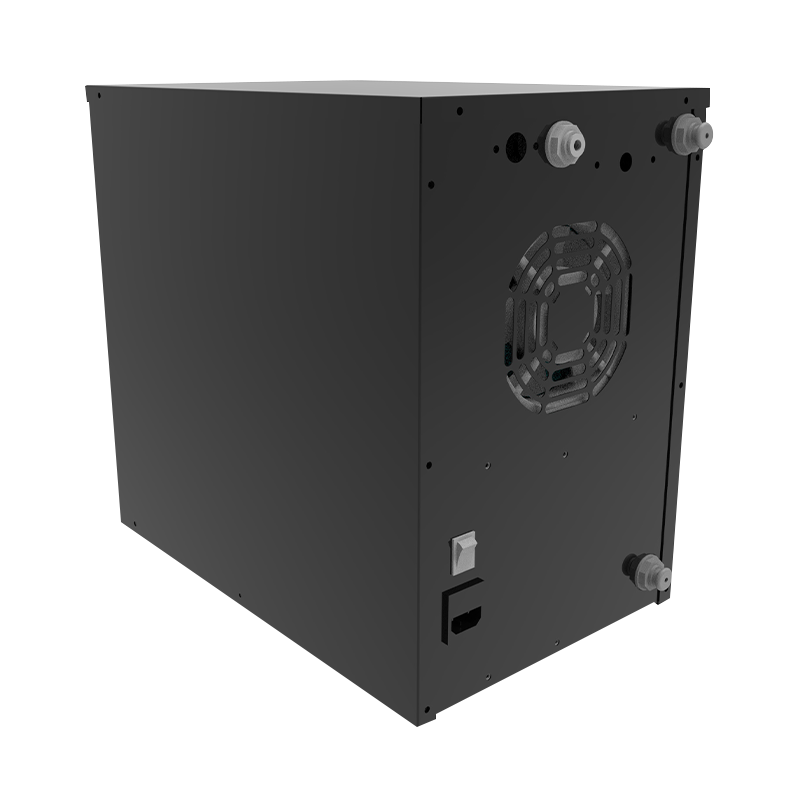
For home use, a countertop sparkling water dispenser with built-in filtration keeps the kitchen counter tidy and turns tap water into freshly carbonated sparkling water without bottles or canisters to carry. In a kitchen remodel where counter space is precious, a multifunctional undercounter sparkling water dispenser hides the unit under the sink and delivers water through a dedicated faucet. For bars and cafés, a compact instant sparkling water dispenser with custom pour control gives staff push-button access to sparkling, cold, and ambient water, so no one reaches for a bottle mid-service.
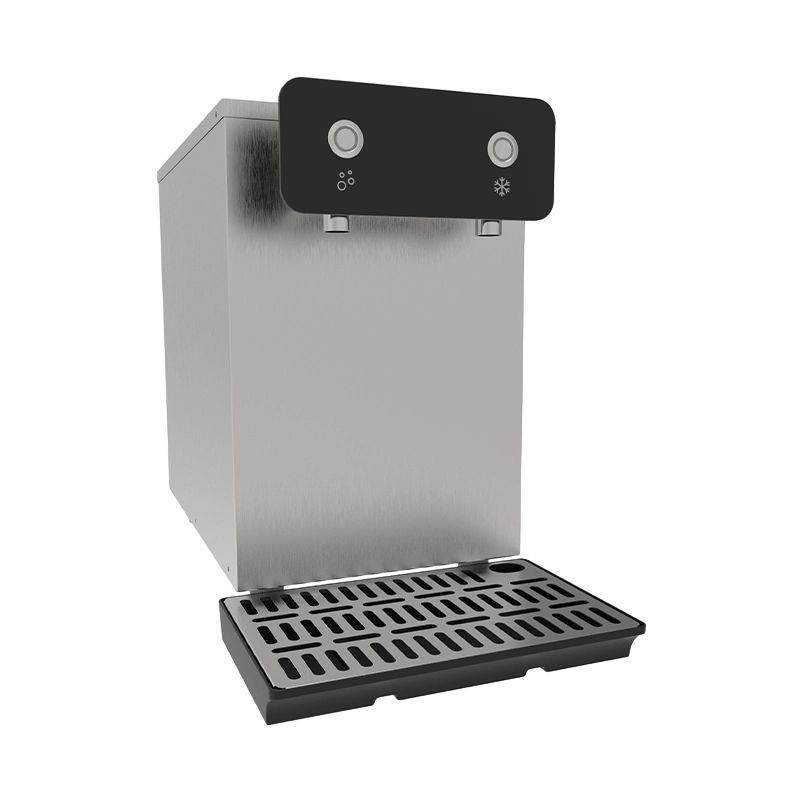 Custom BST30B 2 Buttons Instant Sparkling Water Dispenser with Custom Pour SettiNingbo Qiangxin Intelligent Technology Co., Ltd is China custom BST30B 2 Buttons Instant Sparkling Water Dispenser with Custom Pour Setti...View Product →
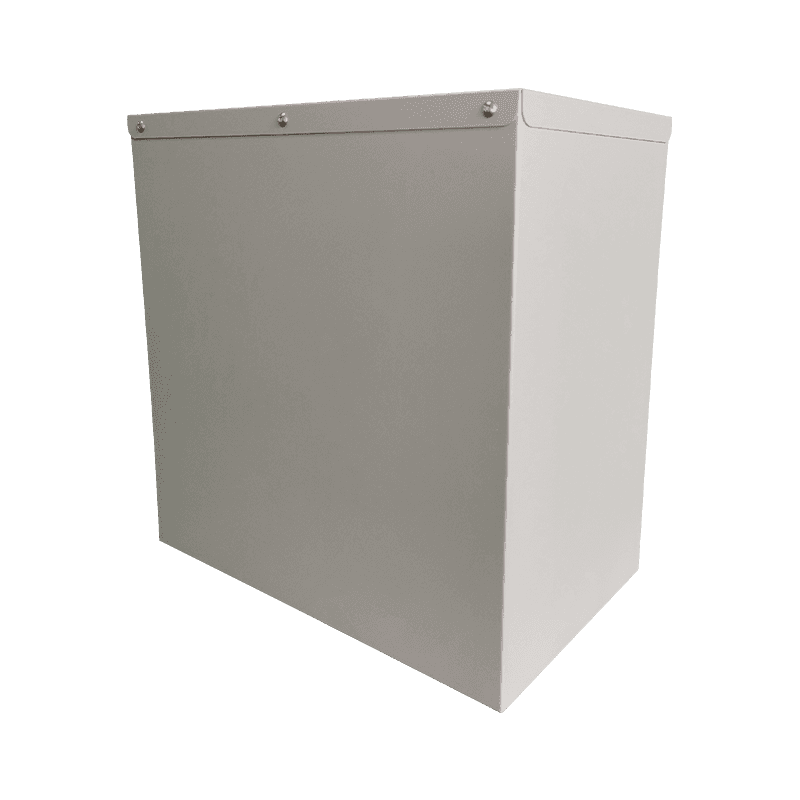 Custom Multifunctional Household Undercounter Sparkling Water Dispenser ManufactNingbo Qiangxin Intelligent Technology Co., Ltd is China custom Multifunctional Household Undercounter Sparkling Water Dispenser manufact...View Product →
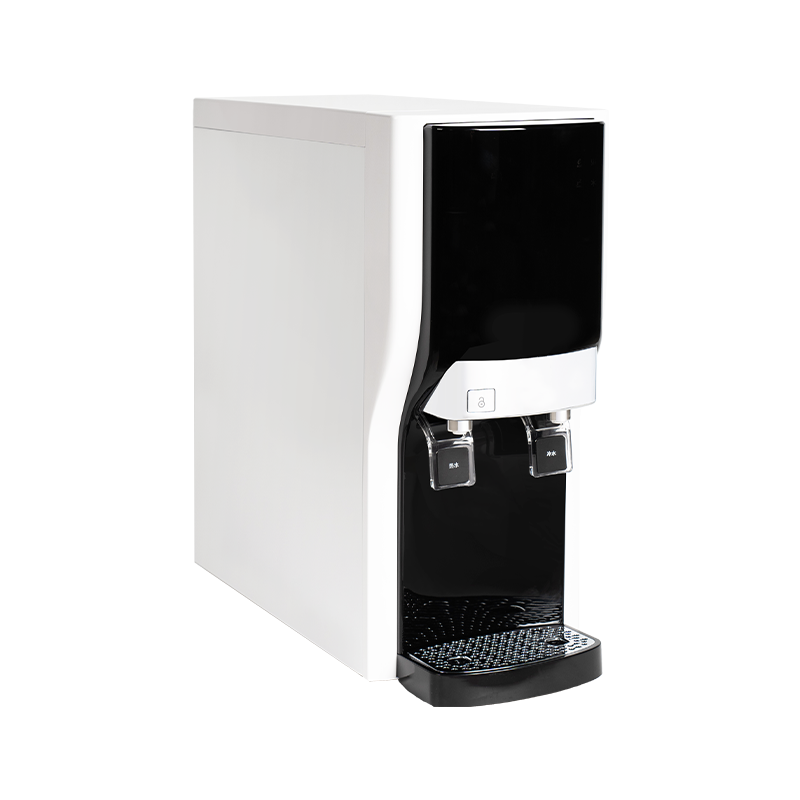 Custom Countertop Sparkling Water Dispenser For Home With Filter Manufacturers, Ningbo Qiangxin Intelligent Technology Co., Ltd is China custom Countertop Sparkling Water Dispenser For Home With Filter manufacturers a...View Product →
Whatever the setting, look for equipment with recognized certifications such as UL, NSF, CE, and CB, and plan for routine filter and CO2 maintenance. A machine designed for continuous use holds carbonation and temperature far more consistently than any bottle, and it removes the packaging and storage costs that bottled fizzy water keeps adding to monthly operating expenses.
Which One Should You Choose?
Deciding between sparkling water and soda water is simple once you frame it as a mineral question. Plain sparkling water is the most neutral choice and the lowest in sodium. Soda water adds a dry, mineral finish that many drinkers genuinely prefer in mixed drinks. Both are fine for daily hydration, and neither poses a meaningful health concern at normal consumption levels.
If you are weighing this for a business, the calculation changes: bottled sparkling and soda water create recurring purchase costs, storage requirements, and waste, while a dispenser converts your existing water line into a consistent supply of chilled, carbonated water. As a manufacturer with more than 15 years of experience in carbonation equipment, we recommend matching the dispenser to the actual demand, the available space, and the local water quality, then choosing a machine with the right certifications and service access. Done that way, the distinction between soda water and sparkling water becomes less relevant than the reliability of the system behind your glass.

 ADDRESS
 CONTACT
 EMAIL
EMAIL