




 Language
 English
 Español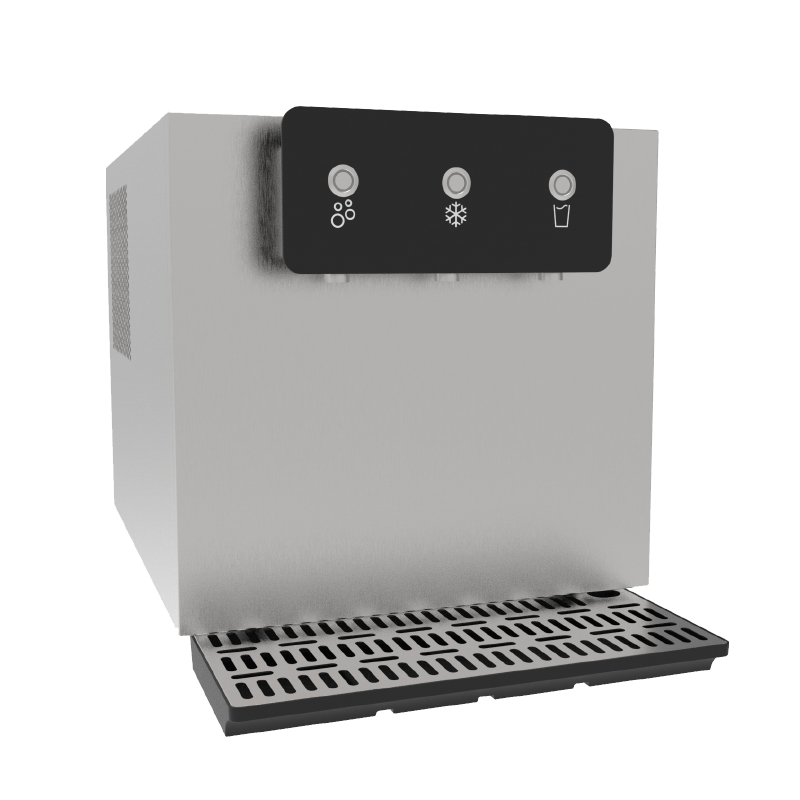
HOT PRODUCTS
Content
- 1 What Is the pH of Sparkling Water?
- 2 Sparkling Water vs. Other Drinks: A pH Comparison
- 3 Does Drinking Acidic Water Make Your Body Acidic?
- 4 The Real Concern: Dental Erosion
- 5 Plain vs. Flavored: Why Citric Acid Matters
- 6 4 Tips to Enjoy Sparkling Water Without Worry
- 7 How to Test the pH of Your Own Sparkling Water
What Is the pH of Sparkling Water?
The short answer: sparkling water is mildly acidic. When carbon dioxide is dissolved under pressure, a fraction reacts with water to form carbonic acid (H₂CO₃), dropping the pH from a neutral 7.0 to a range of 3.5 to 5.0. Most plain, unflavored sparkling waters sit around pH 4.0 — far less aggressive than a soda but decidedly more tangy than still water.
That fizz you love is actually weak acid in action. Carbonic acid partially dissociates, giving billions of bubbles that tingle on the tongue. But because it’s a weak acid, the acidity dissipates quickly once the drink is opened and CO₂ escapes. In other words, a glass of sparkling water left out overnight will lose both its bite and its lower pH.
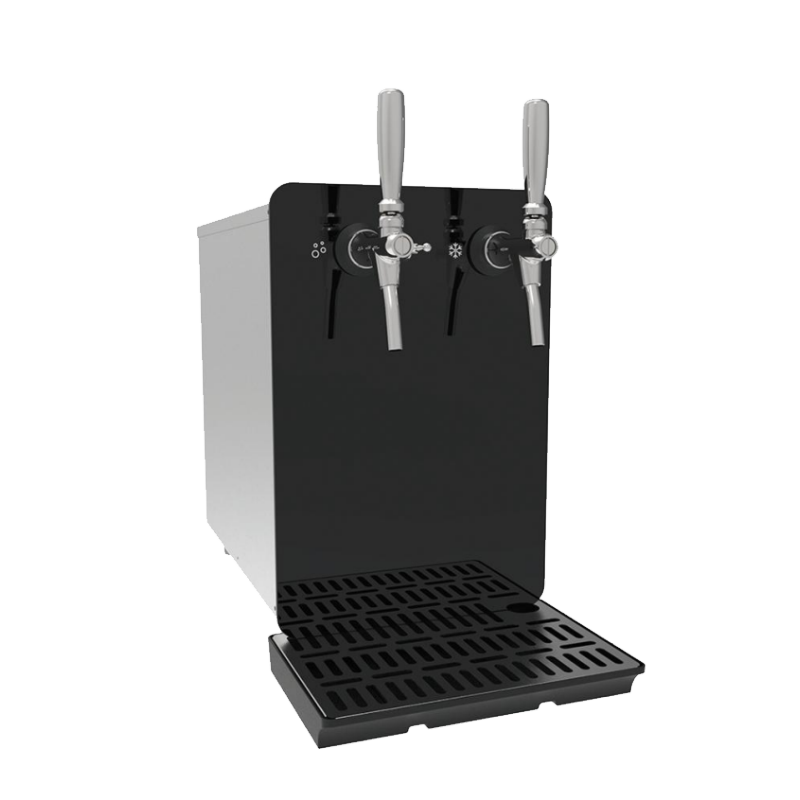
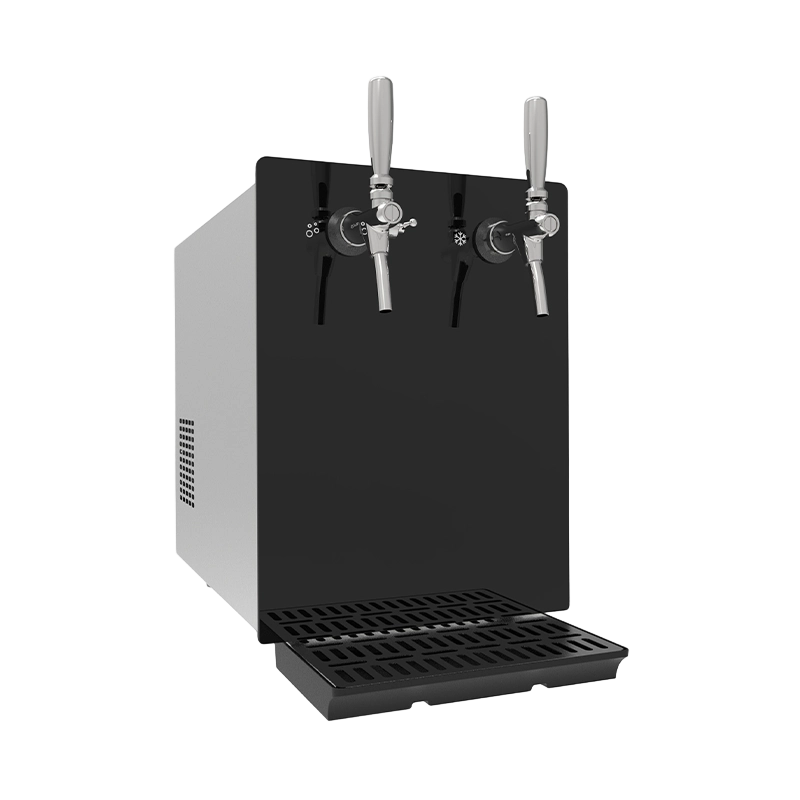
Where your sparkling water lands on that 3.5–5.0 scale depends mainly on two things: the amount of dissolved CO₂ and the mineral content of the source water. Higher carbonation — think aggressively bubbly brands — pushes pH closer to 3.5. Conversely, naturally mineral-rich waters with high bicarbonate content can buffer the acid, raising the pH slightly. For those who want to fine-tune the carbonation level at the source, dispensers with adjustable CO₂ injection, such as a 3-button countertop sparkling water dispenser, let you dial in the exact fizz and thus influence the final acidity.
Sparkling Water vs. Other Drinks: A pH Comparison
Context matters. If you only look at sparkling water’s pH in isolation, it sounds alarming — but stack it against everyday beverages, and the picture changes dramatically.
| Drink | pH (approx.) | Acidity Level |
|---|---|---|
| Still water | 7.0 | Neutral |
| Milk | 6.5–6.8 | Very mildly acidic |
| Plain sparkling water | 3.5–5.0 | Mildly acidic |
| Black coffee | 4.5–5.0 | Similar to sparkling water |
| Orange juice | 3.3–4.2 | Moderately acidic |
| Flavored sparkling water (with citric acid) | 2.5–3.5 | Moderately acidic |
| Cola | 2.3–2.5 | Highly acidic |
| Lemon juice | 2.0–2.6 | Highly acidic |
Plain sparkling water closely mirrors black coffee in acidity. It’s roughly 100 times less acidic than a typical cola, thanks to the logarithmic pH scale. Flavored varieties, however, can slide into cola territory because manufacturers often add citric acid for tartness. That distinction is one of the most overlooked facts in the entire “acid or alkaline” debate.
Does Drinking Acidic Water Make Your Body Acidic?
No. This is the single biggest myth. Your blood pH stays locked between 7.35 and 7.45 regardless of what you drink. The human body deploys three powerful buffering systems that kick in automatically:
- Bicarbonate buffer in blood. Bicarbonate ions instantly neutralize any excess acid that enters the bloodstream.
- Respiratory regulation. Your breathing rate changes to expel CO₂, which is essentially an acid in dissolved form, keeping blood pH stable.
- Kidney excretion. The kidneys adjust the reabsorption of bicarbonate and secretion of hydrogen ions to fine-tune long-term balance.
Unless you have a severe medical condition like chronic kidney disease or respiratory failure, a glass of sparkling water — or even several liters — won’t budge your internal pH. The notion of an “alkaline diet” or needing alkaline water to offset acidic foods is not supported by human physiology. Your body manages its pH with precision that no beverage can override.
The Real Concern: Dental Erosion
While your body easily handles carbonic acid, your teeth are the front line. The critical threshold for enamel demineralization sits at pH 4.0. Below that, calcium and phosphate can start leaching out of the tooth surface. Plain sparkling water hovers right around this mark, sometimes dipping just beneath it.
That sounds risky, but real-world conditions soften the threat. Saliva acts as a powerful neutralizing agent, rich in bicarbonate and calcium, reversing mild acid attacks within minutes. A comprehensive 2022 study published in Clinical and Experimental Dental Research analyzed still and carbonated bottled waters and concluded that plain carbonated water without flavor additives presents a negligible risk in typical consumption patterns. The real damage comes from prolonged, repeated exposure—sipping a highly acidic drink throughout the day without giving saliva a chance to work.
Moreover, carbonic acid lacks the ability to chelate calcium, a property that makes added acids like citric and phosphoric acid far more erosive even at the same pH. A flavored sparkling water with pH 3.5 can be significantly more aggressive toward enamel than a plain one at the identical pH, simply because of the acid type.
Plain vs. Flavored: Why Citric Acid Matters
Here’s where many “healthy” sparkling water drinkers get caught off guard. A can of plain soda water lists two ingredients: carbonated water and maybe minerals. A lemon-lime sparkling water, even one labeled “zero sugar,” often adds citric acid for zest. That single addition transforms the dental risk profile.
Citric acid is a much stronger acid than carbonic, with a double punch: it not only lowers pH but also binds to calcium in enamel, directly dissolving it. In lab tests, teeth exposed to citric-acid-containing beverages showed markedly higher erosion depths than those exposed to plain carbonated water at matching pH. The practical takeaway: treat plain sparkling water like a daily habit; treat flavored varieties like an occasional treat, similar to fruit juice.
Checking the ingredient list is non-negotiable. If “citric acid,” “malic acid,” or “phosphoric acid” appears, that drink sits in a different category from your basic fizzy water, regardless of what the pH strip says.
4 Tips to Enjoy Sparkling Water Without Worry
You don’t need to give up the bubbles. Small, evidence-backed adjustments protect your enamel while keeping the fizz in your routine.
- Use a straw. Positioning the straw toward the back of your mouth reduces direct contact with front teeth, where erosion is most visible.
- Don’t swish or hold it. Drinking quickly without sloshing limits the contact time. Don’t use sparkling water as a mouth rinse.
- Pair it with food. Cheese, nuts, or yogurt during the same sitting stimulate saliva flow and provide calcium and phosphate that help remineralize enamel.
- Stick to plain most of the time. Reserve citrus-flavored bubbles for special occasions, and always check the label for added acids.
If you have especially sensitive teeth or visible erosion, consider waiting at least 30 minutes after consuming any acidic drink before brushing. Brushing immediately can spread softened enamel minerals further.
How to Test the pH of Your Own Sparkling Water
Curiosity can become a simple kitchen science project. All you need are narrow-range pH test strips (the kind that read from pH 2 to 7) and a clean glass.
- Pour a fresh sample straight from a newly opened bottle or dispense directly from your sparkling water tap. Avoid letting it go flat first — CO₂ loss raises pH.
- Dip the strip for the time specified on the package, typically 1–2 seconds.
- Match the color immediately to the chart. Record the reading before bubbles dissipate further.
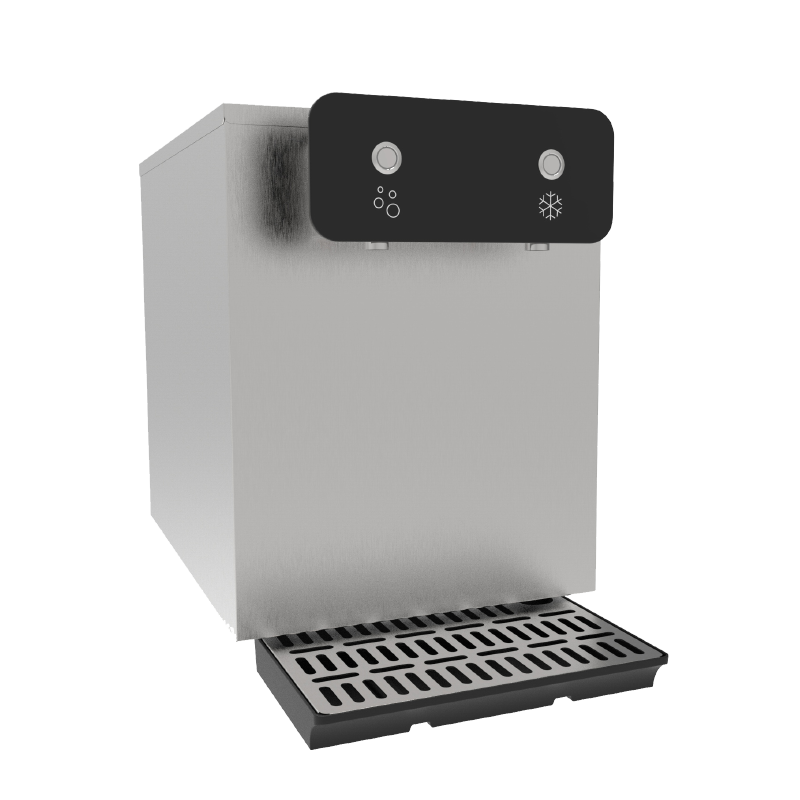
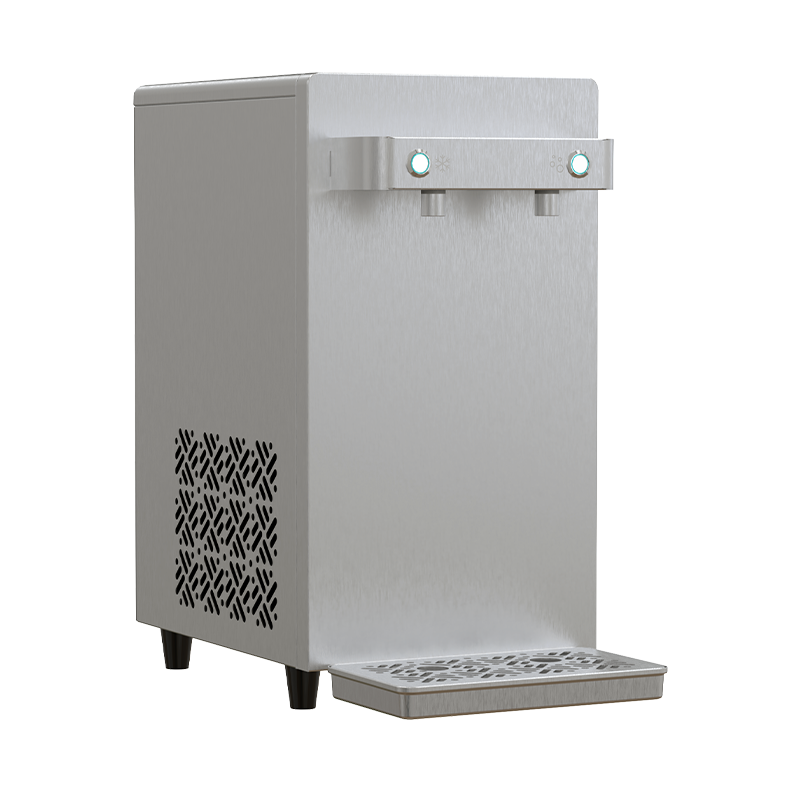
If you’re using a home sparkling water system, the mineral content of your tap water will influence the outcome. A countertop sparkling water dispenser with built-in filtration can modify the water’s alkalinity and thus shift the final pH, making testing even more informative. Run the test across different carbonation levels to see the full pattern. Most people discover that their go-to brand sits squarely between pH 4.0 and 4.5 — acidic on paper, but a mild guest in daily life.



 ADDRESS
 CONTACT
 EMAIL
EMAIL