




 Language
 English
 Español
HOT PRODUCTS
Content
- 1 What Is a Sparkling Water Tap and How Does It Work?
- 2 Top Sparkling Water Tap Brands Compared
- 3 Installation Guide: 5 Steps to Install a Sparkling Water Tap
- 4 Undercounter vs. Countertop: Which Sparkling Water System Fits Your Kitchen?
- 5 Carbonation Technology: Dry Cooling vs. Traditional Cooling
- 6 Annual Cost Breakdown: Sparkling Water Tap vs. Bottled Water
- 7 Maintenance Tips: How to Keep Your Sparkling Water Tap Running Smoothly
A family that goes through two 12-packs of LaCroix per week spends roughly $450 a year on sparkling water—plus the hassle of lugging cans home. A kitchen sparkling water tap eliminates both the expense and the effort by dispensing unlimited chilled still, medium, or fully carbonated water from a dedicated faucet. Think of it as a permanent SodaStream built into your sink, but without the countertop clutter or mixing bottles.
What Is a Sparkling Water Tap and How Does It Work?
At its core, a sparkling water tap is a multi-function system that filters, chills, and carbonates your tap water on demand. Instead of a separate appliance, the entire process happens under your kitchen counter or in a small countertop unit, with the finished product flowing out of a stylish single-hole faucet. It’s a seamless upgrade for anyone who drinks more than a few cans of fizzy water a day.
Core Components
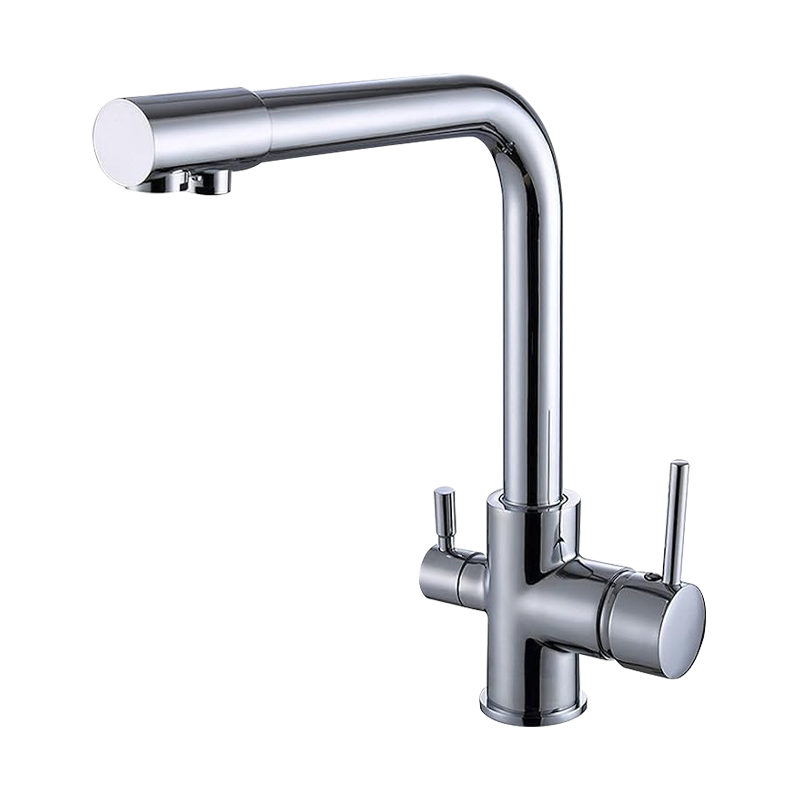
- Dedicated faucet: Usually taps into an existing spare hole in the sink or requires a new 1⅜-inch opening. A side lever or button releases sparkling water.
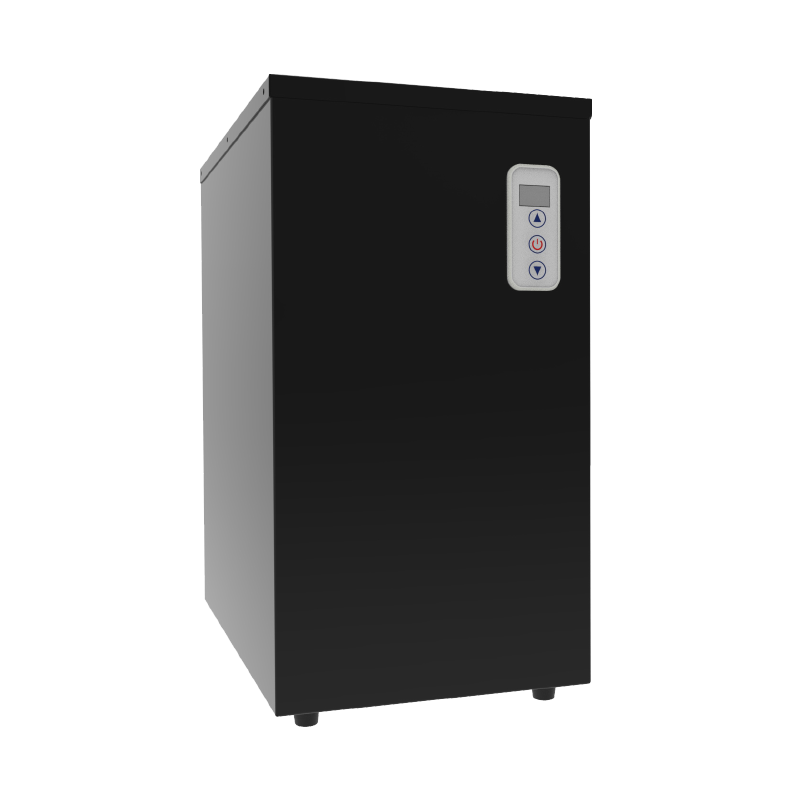
- Carbonation module: The under-counter unit chills water and injects food-grade CO₂ under pressure. Premium models use dry cooling for quieter, more consistent carbonation.
- CO₂ cylinder: A refillable bottle (typically 2.6 lb or 5 lb) lasts 3–6 months depending on usage. Exchange programs are common.
- Filtration system: Built-in carbon and sediment filters remove chlorine, lead, and off-tastes before carbonation. Some units offer optional reverse osmosis for harder water.
How the Carbonation Process Works
Cold tap water first passes through the filter and then enters a chilled pressure vessel. Inside, CO₂ is injected under pressure—cooler water absorbs more gas, creating fine, lasting bubbles. When you open the faucet, the pressurized water flows out, and the carbonation stays intact, unlike a soda siphon where gas escapes over time. The result is sparkling water with a crisp, restaurant-grade effervescence straight from your kitchen tap.
Top Sparkling Water Tap Brands Compared
While several brands offer residential sparkling water taps, Zip Water HydroTap, GROHE Blue, and SeltzaTap dominate the conversation. Each takes a slightly different approach to cooling, carbonation, and installation. The following table breaks down their core specifications to help you decide which one fits your kitchen and budget.
| Feature | Zip Water HydroTap | GROHE Blue | SeltzaTap |
|---|---|---|---|
| Price range (USD) | $2,000 – $2,500 | $800 – $1,200 | $900 – $1,400 |
| Installation type | Undercounter, requires power and drain | Undercounter, requires power | Undercounter, requires power |
| Water options | Boiling, chilled, sparkling | Still, medium, fully sparkling | Adjustable carbonation (still to heavy) |
| Cooling technology | Compressor-based chiller | Compressor-based chiller | Dry cooling (no compressor) |
| Filter type | 0.2 micron + carbon | Carbon filter (GROHE Blue filter) | Optional external filter |
| Warranty | 2 years | 2 years | 3 years |
Zip Water is the most feature-rich, adding instant boiling water to the mix, but requires a drain connection and comes with a premium price tag. GROHE Blue sits in the mid-range, offering reliable carbonation and a sleek design that pairs with GROHE kitchen faucets. SeltzaTap focuses purely on sparkling and still water; its dry cooling system runs quieter and doesn’t need ventilation grilles, making it a strong choice for open-plan kitchens.
Installation Guide: 5 Steps to Install a Sparkling Water Tap
Installing a sparkling water tap is not a 10-minute DIY job, but a competent homeowner with basic plumbing skills can handle most undercounter systems in an afternoon. If you’re uncomfortable drilling granite or working with water lines, a professional plumber will charge around $150–$300. For countertop units, the installation is far simpler—often plug-and-play.
- Confirm countertop opening. Most dedicated faucets need a 1⅜-inch (35mm) hole. If you have a spare soap dispenser or air gap hole, you’re in luck. Otherwise, you’ll need to drill through your sink material.
- Mount the faucet and connect the water line. Secure the faucet with the included mounting nut. Run a ¼-inch PE or copper line from the under-sink carbonation unit to the faucet base. Use Teflon tape on brass fittings to prevent leaks.
- Install the carbonation unit under the sink. Place the module in a dry cabinet area. Connect the cold water supply (using a T-adapter), then attach the CO₂ cylinder via a high-pressure hose. Ensure the cylinder is upright and secured.
- Connect power and test for leaks. Plug the unit into a GFCI outlet (check the manual for power requirements). Turn on the water and CO₂, and inspect every connection with a paper towel. Tighten any drips before proceeding.
- Flush the system and adjust carbonation. Run still and sparkling water through the faucet for 5 minutes to purge air and carbon dust from the filter. Many units have a carbonation adjustment screw—set it lower for light fizz, higher for aggressive bubbles.
If you’re looking for an undercounter system that suits an office or busy kitchen, models like the FCD06A undercounter sparkling water dispenser include detailed installation templates and full technical support.
Undercounter vs. Countertop: Which Sparkling Water System Fits Your Kitchen?
Space, noise tolerance, and whether you rent or own all influence your choice between an undercounter and a countertop system. An undercounter unit hides everything below the sink, freeing up counter real estate. A countertop model plugs into an outlet and sits on the deck—no drilling required.
| Undercounter | Countertop | |
|---|---|---|
| Space required | 12–18 inches of cabinet width | 8 × 8 inch footprint on counter |
| Noise level | 30–50 dB (dry cooling is quieter) | Below 40 dB (thermoelectric) |
| Maintenance access | Under sink; filters and CO₂ exchange may require kneeling | Top-loading water tank; filters easily accessible |
| Typical price | $800–$2,500 + installation | $300–$600 |
| Best for | Permanent home kitchens, offices, and commercial use | Renters, small kitchens, or trial before committing to an undercounter unit |
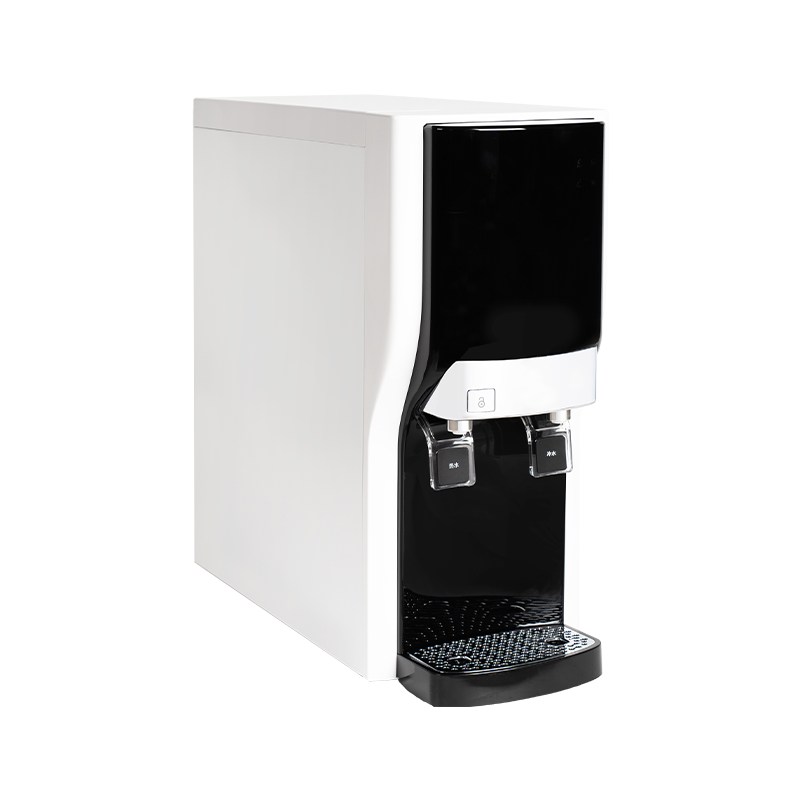
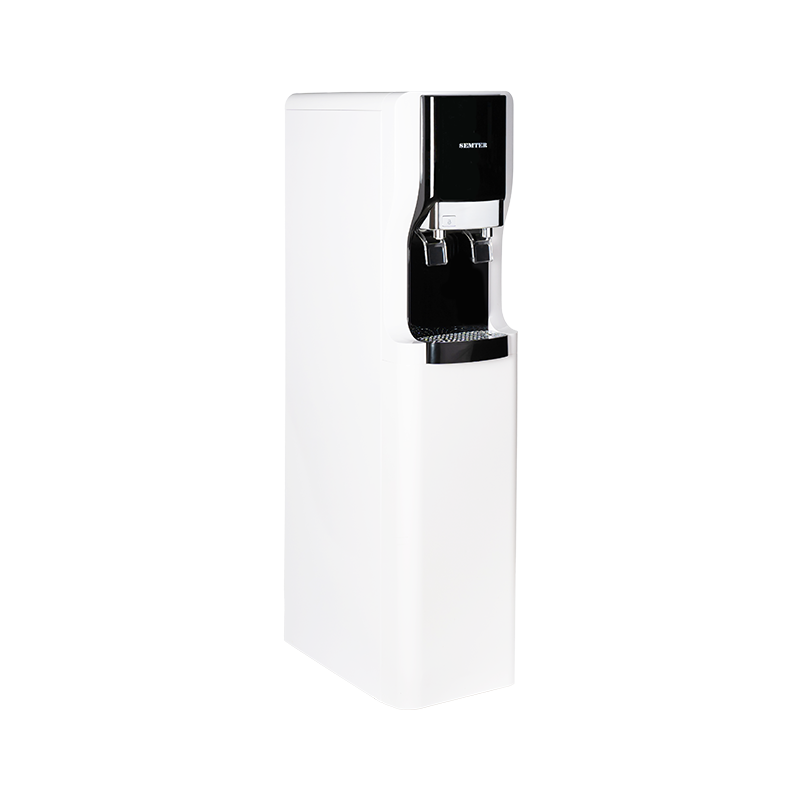
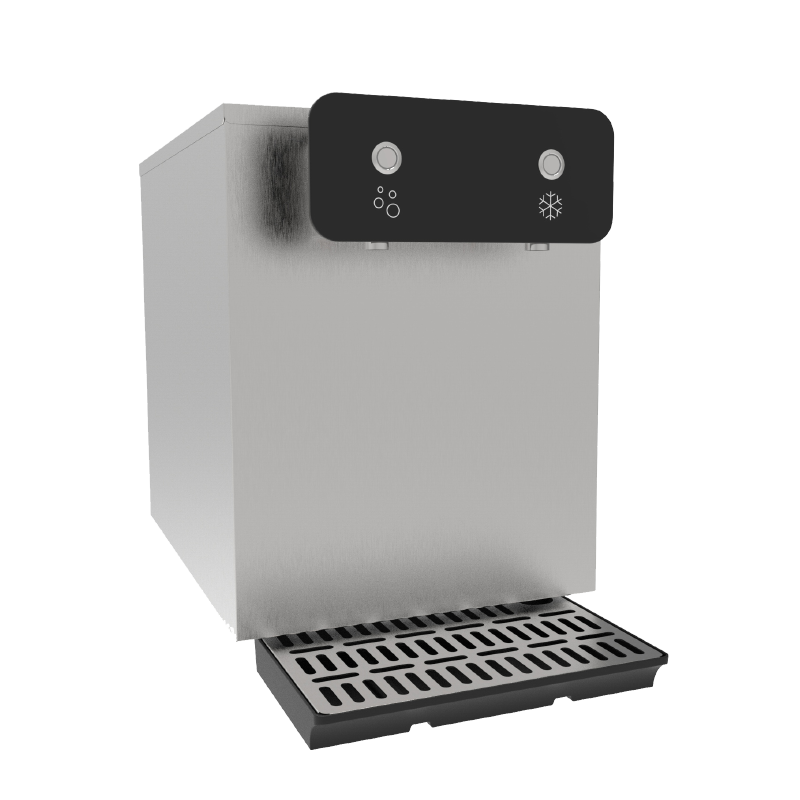
For a countertop model that filters and carbonates water without any plumbing modifications, the FYT02A countertop sparkling water dispenser delivers chilled still and sparkling water while fitting neatly next to your coffee maker. Its internal filter and removable water tank keep installation to a literal one-minute setup.
Carbonation Technology: Dry Cooling vs. Traditional Cooling
Not all sparkling water tastes the same—and the cooling method plays a bigger role than most buyers realize. Traditional compressor-based chillers sit in an insulated tank and cool water to roughly 6–8°C (43–46°F). Dry cooling, often found in premium commercial units, uses a sealed refrigeration loop that never touches the water, achieving a steady 4–5°C (39–41°F). That lower temperature matters: colder water holds carbonation longer, producing smaller, more persistent bubbles and a crisper mouthfeel.
Dry cooling systems also eliminate the need for ventilation grilles and run at under 40 dB—quieter than a library whisper. Traditional compressors can cycle above 50 dB, audible in open-plan kitchens. If you’re installing a unit in a butler’s pantry or wet bar, the noise difference is negligible, but for a kitchen that doubles as a living space, a dry-cooling model like the BSD20A dry-cooling undercounter unit provides a near-silent operation.
Annual Cost Breakdown: Sparkling Water Tap vs. Bottled Water
A sparkling water tap is an upfront investment that pays for itself, but by how much? Take a household of four that consumes four liters of sparkling water daily. Using a mid-range undercounter system ($800), here’s how the numbers stack up over a year.
| Cost Item | Sparkling Water Tap (Year 1) | Bottled Sparkling Water (Annual) |
|---|---|---|
| Equipment (amortized over 5 years) | $160 | — |
| CO₂ refills (4 x $15) | $60 | — |
| Filter replacements (2 x $40) | $80 | — |
| Electricity (est. 120 kWh at $0.15/kWh) | $18 | — |
| Total annual cost | $318 | $1,752* |
| Annual savings | — | $1,434 |
*Based on 1,460 liters of store-brand sparkling water at $1.20 per liter. Premium brands cost more.
Over five years, the system saves over $7,000 compared to buying bottled water, while also eliminating single-use plastic waste. Even the most expensive premium systems break even in under two years when consumption is high.
Maintenance Tips: How to Keep Your Sparkling Water Tap Running Smoothly
A properly maintained sparkling water tap will deliver consistent flavor and carbonation for a decade or longer. Most problems—flat water, odd tastes—trace back to neglected filters or a low CO₂ cylinder.
- Replace the filter every 6 months. Mark your calendar. Even if water tastes fine, a spent filter can’t remove chlorine, which degrades internal seals. High-usage homes (over 8 liters/day) may need quarterly changes.
- Keep a spare CO₂ cylinder on hand. Standard 2.6 lb cylinders last 200–300 liters. When bubbles weaken, swap the cylinder immediately to avoid running the pump dry. Local exchange programs cost $12–$18 per refill.
- Flush the faucet nozzle weekly. Mineral deposits from hard water can partially clog the aerator. Unscrew the nozzle and soak it in white vinegar for 15 minutes. Wipe down the faucet body with a microfiber cloth.
- Sanitize the system annually. Once a year, run a manufacturer-recommended sanitizing solution through the carbonation vessel and lines. This prevents biofilm buildup, especially in units that dispense still water as well.


 ADDRESS
 CONTACT
 EMAIL
EMAIL