




 Language
 English
 Español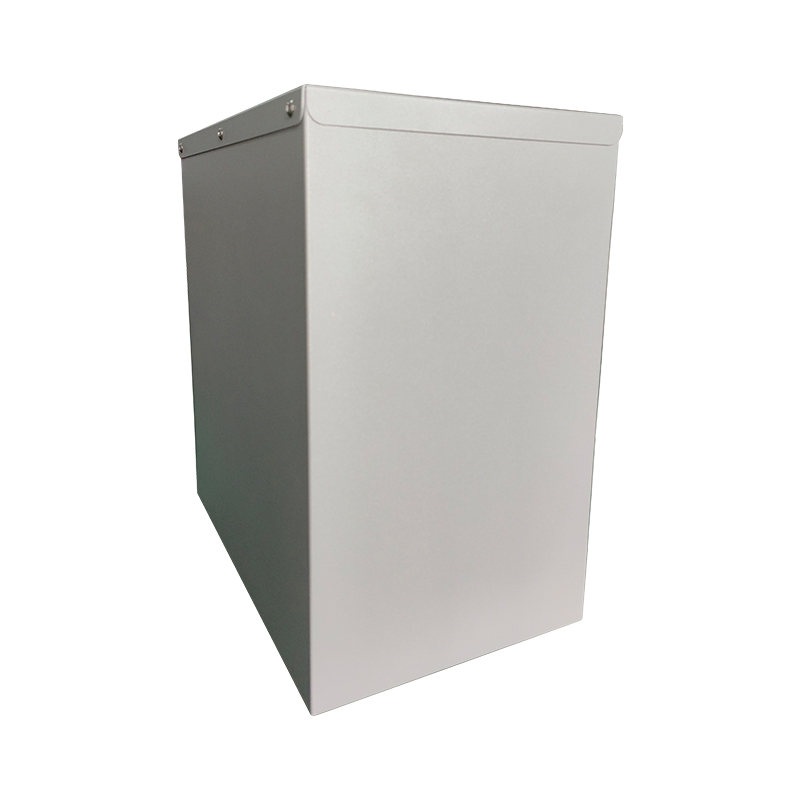
HOT PRODUCTS
Content
- 1 Why Choose an Under-Sink Sparkling Water System?
- 2 How to Compare Carbonation, Cooling, and Filtration
- 3 Under-Sink System Types: Filter-Integrated vs. Standalone Carbonators
- 4 Installation: DIY or Professional?
- 5 The True Cost of Ownership: CO2, Filters, and Maintenance
- 6 Troubleshooting: Quick Fixes for Fizz, Leaks, and Noise
- 7 Our Top Picks for Every Kitchen
Why Choose an Under-Sink Sparkling Water System?
Walk into any modern kitchen and the first thing you notice is clean counter space. A bulky soda maker with a plastic bottle often breaks that picture. Under-sink sparkling water systems solve this by hiding the entire carbonation engine inside the cabinet. You get chilled, filtered sparkling water from a dedicated faucet. No bottles, no refilling, and no appliance taking up precious real estate.
The appeal goes deeper than aesthetics. These units typically cool water to 35–45°F on demand. Many integrate high-performance filtration, removing chlorine, sediment, and off-tastes. The result is crisp, café-quality fizz without a trip to the store. For homes that go through more than a few liters of sparkling water a week, the time savings alone justify the installation.
There is a tradeoff. Under-sink systems require a power outlet, a water line connection, and enough cabinet depth for the chilling tank and CO2 cylinder. The initial investment is higher than a countertop carbonator. But if you’re already planning a kitchen upgrade or you value seamless design, the benefits stack up fast.
- Advantages: Hidden equipment, unlimited on-demand sparkling water, adjustable carbonation levels, superior cooling, and integrated filtration.
- Disadvantages: Permanent installation, upfront cost between $800 and $2,500, periodic filter and CO2 cylinder replacements.
How to Compare Carbonation, Cooling, and Filtration
Not all under-sink systems produce the same fizz. Three performance areas determine whether your water tastes like a premium soda or a flat disappointment. Evaluate each before you buy.
Carbonation Quality and Adjustability
The best units let you dial in the bubble intensity. Look for systems that offer at least three carbonation levels—light, medium, and heavy. Some allow precise fine-tuning via a secondary knob or digital interface. The technology matters. High-efficiency carbonators that chill the water before injecting CO2 produce smaller, longer-lasting bubbles compared to room-temperature injection. A system with a built-in pressure relief valve also prevents sudden spurts at the faucet.
Cooling Performance
Sparkling water must be cold to retain carbonation. Most under-sink chillers target a dispense temperature between 38°F and 45°F. The chilling method—ice bank, compressor, or thermoelectric—affects recovery time. Compressor-based chilling cools faster and handles high-demand periods better. If your household or office regularly pours multiple glasses back-to-back, prioritize a system with a compressor and a large cold-water reservoir.
Filtration Technology
City water contains chlorine, sediment, and sometimes lead. A decent carbon block filter improves taste dramatically. For harder water or well water, you may want a system with multi-stage filtration including a sediment pre-filter and a scale inhibitor. Some units combine reverse osmosis (RO), which strips nearly all dissolved solids. However, RO wastes water, requires a drain connection, and can flatten the sparkling water’s flavor profile. A high-quality activated carbon filter with a 0.5-micron rating strikes the best balance for most homes.
| Feature | Ideal Specification | Why It Matters |
|---|---|---|
| Carbonation levels | 3+ adjustable settings | Adapts to different preferences and drink recipes |
| Dispense temperature | 38–45°F | Colder water holds CO2 longer and tastes more refreshing |
| Chilling technology | Compressor with steel tank | Quick recovery, quieter operation than ice-bank alternatives |
| Filtration rating | 0.5 micron carbon block | Removes sediment, chlorine, and bad tastes without over-mineralizing |
| CO2 cylinder capacity | 60 L or larger | Reduces replacement frequency (target 3–6 months for a family of four) |
Under-Sink System Types: Filter-Integrated vs. Standalone Carbonators
The market splits into two broad architectures. Filter-integrated systems bundle a water filter, chiller, and carbonator in one cabinet. They feed a single dedicated faucet. Standalone carbonators, on the other hand, attend only to chilling and carbonation, leaving filtration to a separate unit—like an existing reverse osmosis system or a whole-house filter. Your choice depends on what’s already under your sink.
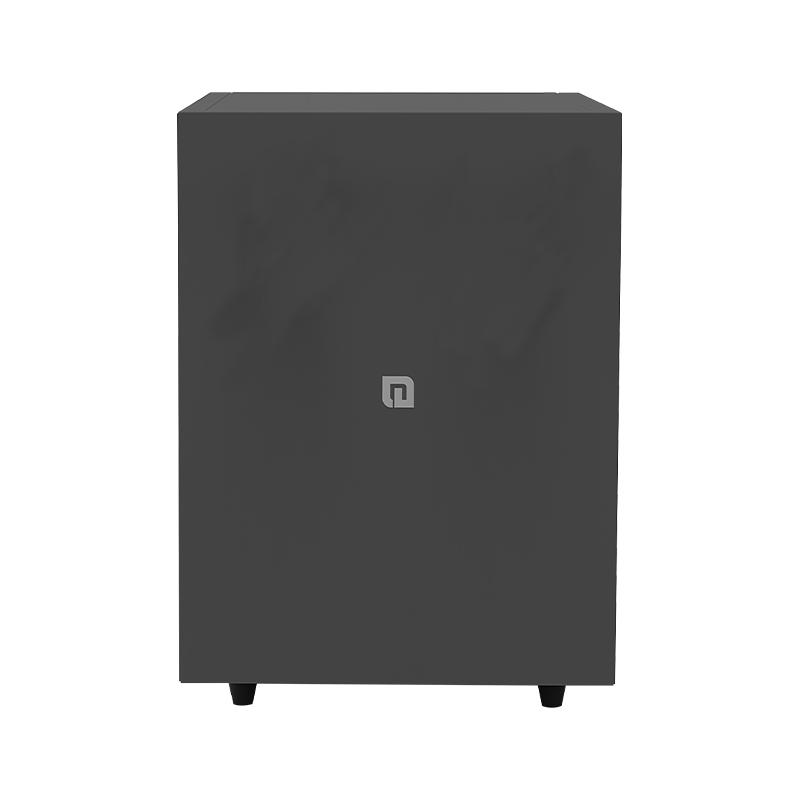
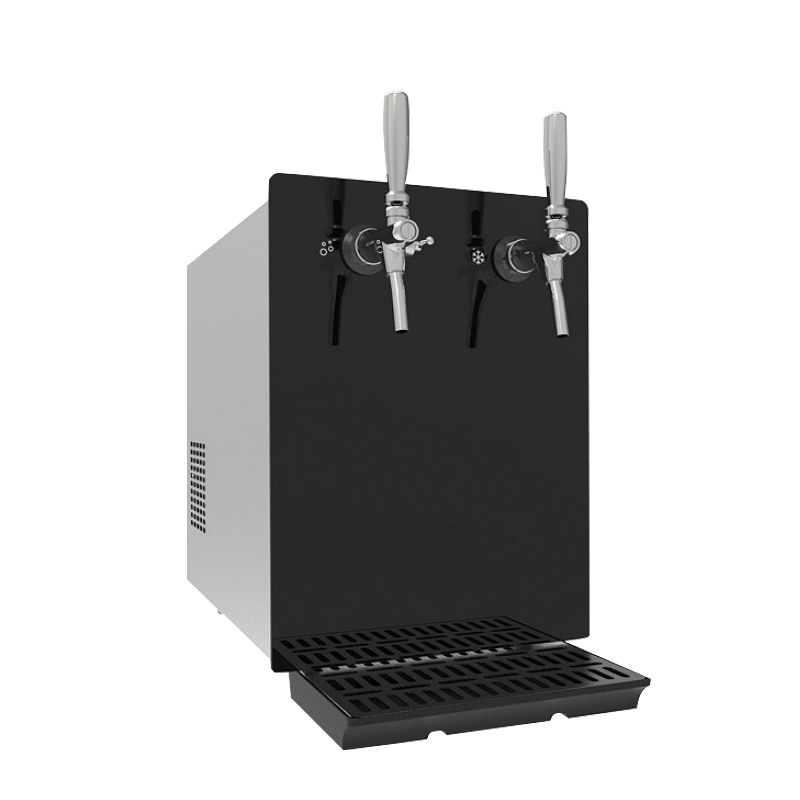
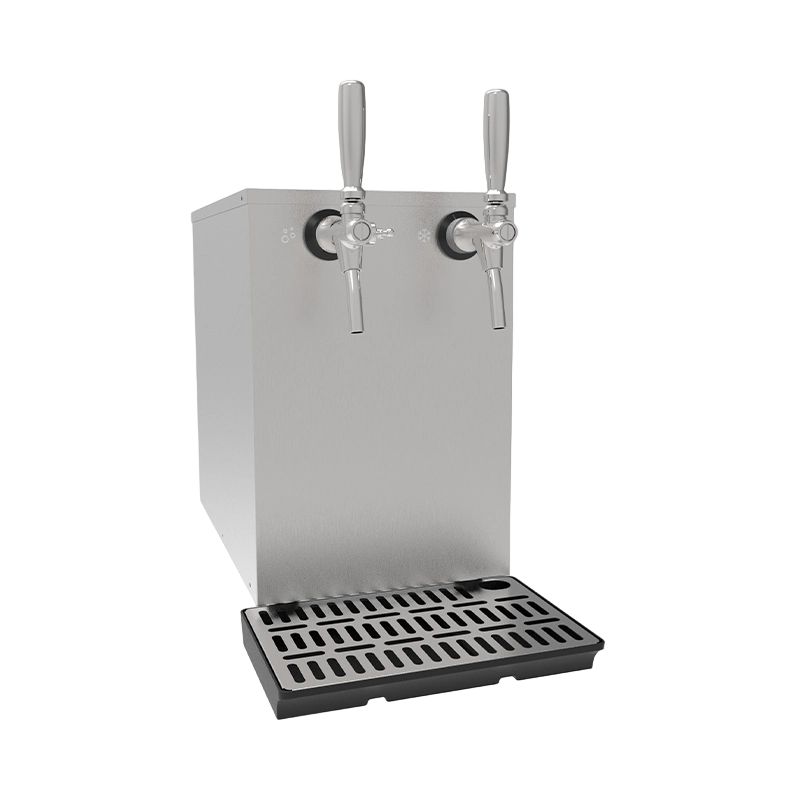
If you have no filtration in place, a filter-integrated model simplifies the purchase. You get everything in one box. Many of today’s compact designs, such as a office undercounter sparkling water dispenser, combine a high-grade carbon filter, a rapid compressor chiller, and a CO2 cylinder in a footprint smaller than a microwave. This kind of all-in-one unit is ideal for kitchens with limited cabinet space.
If you already own a trusted under-sink RO or multi-stage filter, a standalone carbonator might suffice. These units connect to the filtered cold-water line and carbonate on demand. They are often smaller and less expensive, but you must manage two separate maintenance schedules—filters and CO2. Homebrewers sometimes build their own standalone rigs, but a commercial-grade approach yields better safety and consistency. Always use braided stainless-steel lines from the carbonator to the faucet; standard plastic tubing can burst under the high pressure needed for carbonation.
Installation: DIY or Professional?
Installing an under-sink sparkling water system is a half-day project for someone comfortable shutting off valves and drilling a single faucet hole. If your sink already has a soap dispenser or an unused knockout, the drilling step vanishes. Many units come with quick-connect push fittings, which eliminate the need for soldering. Still, electrical and water line work demand caution.
The process follows a logical flow: mount the faucet, position the main unit inside the cabinet, connect the cold-water supply with the included T-adapter, plug in the power, insert the CO2 cylinder, and flush the system. A horéca undercounter sparkling water dispenser designed for high-output kitchens often includes a detailed manual that walks you through each step in under 30 minutes.
When should you call a plumber? If you need to run a dedicated electrical circuit, move drain lines, or drill through a granite countertop, professional help protects your investment. The same goes for any configuration that involves connecting to a water line without a shut-off valve nearby. A licensed plumber typically charges $150–$300 for a straightforward install, a fraction of the cost of repairing a water leak.
| Step | Tool/Material | Notes |
|---|---|---|
| 1. Shut off cold water valve | Adjustable wrench | Test the line is off before disconnecting any hose |
| 2. Drill faucet hole (if needed) | Diamond hole saw, cordless drill | Stainless steel sinks require a 35 mm hole; granite needs a pro |
| 3. Mount faucet and secure below | Basin wrench, plumber’s putty | Hand-tighten; do not over-torque brass fittings |
| 4. Install T-adapter on cold supply | Teflon tape | 3–4 wraps of tape on threads prevents micro-leaks |
| 5. Connect tubing from adapter to unit | Push-connect fittings (included) | Push until you hear a click; pull gently to confirm |
| 6. Insert CO2 cylinder and check pressure | Regulator, soapy water for leak test | Bubble at threaded connections indicates a leak—re-tighten |
The True Cost of Ownership: CO2, Filters, and Maintenance
Purchase price is only the entry ticket. Operating costs define how much you’ll really spend over five years. Three consumables drive the numbers: CO2 gas, replacement filters, and occasionally a sanitizing kit. Knowing these costs upfront helps you pick a system that fits your long-term budget, not just a flashy spec sheet.
CO2 cylinders for under-sink units usually hold between 60 L and 130 L of gas. A family of four that dispenses 4–6 liters of sparkling water daily will empty a 60 L cylinder in roughly 90 days. Refill or exchange prices range from $15 to $35 per cylinder, depending on local suppliers. Larger cylinders lower the cost per liter and reduce the hassle of frequent swaps. Look for systems that accept standard, widely available cylinders rather than proprietary cartridges.
Filter replacement intervals vary by water quality and usage volume. A carbon block filter that handles up to 1,500 gallons typically lasts six months. Annual filter costs run from $60 to $120 for a single-stage filter, and up to $200 for multi-stage systems. Some premium units include an automatic filter life indicator, removing guesswork. Minimal maintenance includes flushing the carbonation tank with a food-safe cleaner every 12 months to prevent biofilm buildup.
| System Type | Annual CO2 Cost | Annual Filter Cost | 5-Year Total Consumables |
|---|---|---|---|
| 60 L cylinder, single carbon filter | $120–$200 | $80–$120 | $1,000–$1,600 |
| 130 L cylinder, dual-stage filter | $100–$150 | $140–$200 | $1,200–$1,750 |
| High-capacity commercial unit (e.g., BSD series) | $200–$320 | $160–$260 | $1,800–$2,900 |
These numbers look significant, but compare them to buying canned sparkling water. At $0.60 per can, a household consuming five cans a day spends over $1,000 annually on beverages. The under-sink system breaks even within 12–18 months and delivers a superior experience for years afterward.
Troubleshooting: Quick Fixes for Fizz, Leaks, and Noise
Even the best systems can develop hiccups. Most issues trace back to three simple root causes. Run through this checklist before calling support—you’ll often resolve the problem in five minutes.
Sparkling Water Is Flat or Weak
First, check the CO2 cylinder. If the pressure gauge reads below the green zone, swap it for a fresh cylinder. Second, inspect all gas lines from the cylinder to the carbonator. A loose push-connect fitting allows CO2 to escape, reducing carbonation. Third, verify that the water temperature is cold enough. Warm water absorbs less CO2; if the chiller isn’t keeping up, clean the condenser coil and confirm the unit has adequate ventilation.
Water Pooling Under the Sink
Leaks almost always come from fitting connections. Tighten every compression nut and push-connect joint by hand. For threaded connections, a quarter-turn with a wrench often stops the drip. Replace any cracked or discolored tubing immediately. Use a bright flashlight and a dry paper towel to pinpoint the exact source—water travels, so the drip you see may be far from the actual leak.
Unusual Noise During Operation
A gentle humming from the compressor is normal. Rattling or gurgling suggests the unit isn’t level. Place a vibration-dampening mat beneath the chassis and adjust the leveling feet. A loud knocking sound right after dispensing often points to water hammer; installing a small water hammer arrestor on the cold supply line cures it permanently.
| Symptom | Likely Cause | Solution |
|---|---|---|
| Weak carbonation | Empty CO2 cylinder or gas leak | Replace cylinder; tighten all gas connections and test with soapy water |
| Water not cold | Dirty condenser, insufficient airflow | Vacuum condenser fins; ensure 2 inches of clearance around the unit |
| Intermittent flow | Clogged filter or kinked line | Replace filter; straighten tubing |
| Continuous running sound | Faulty thermostat or ice bank melt | Power cycle the unit for 10 minutes; call service if persistent |
Our Top Picks for Every Kitchen
There is no single best system for everyone. Your choice depends on daily consumption, available space, and whether you need a built-in filter. Here are the configurations we recommend based on real-world usage patterns.
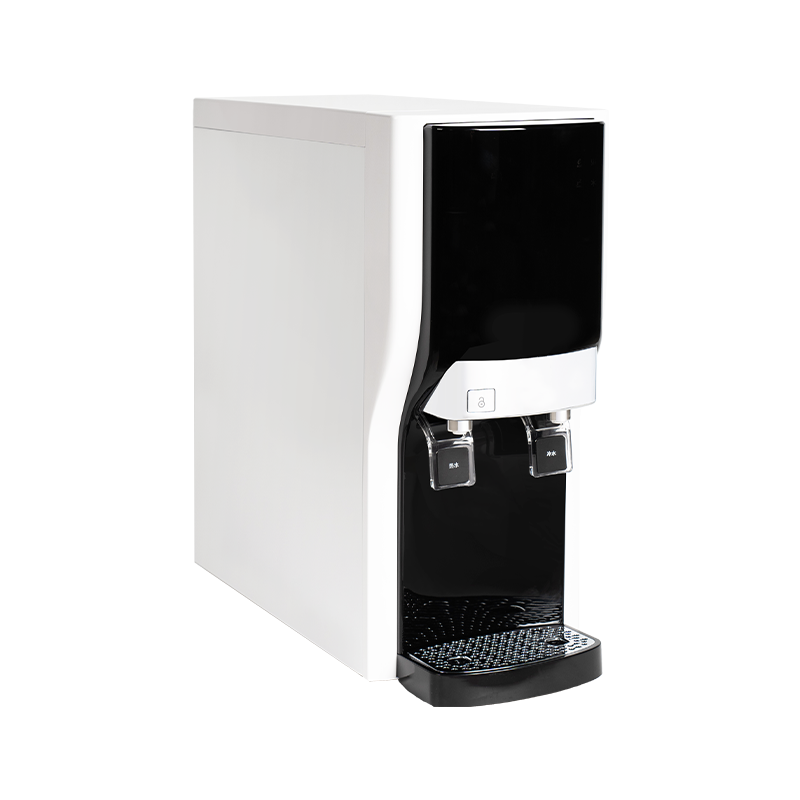
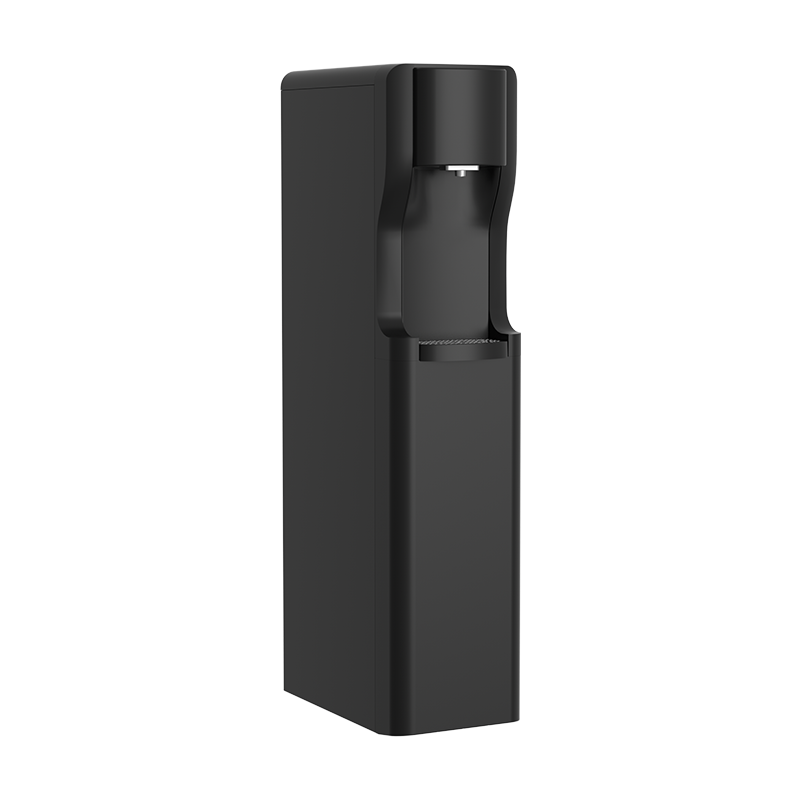
For a busy home kitchen with moderate sparkling water demand: Choose a compact, filter-integrated unit with a 60 L CO2 cylinder and a single, sleek faucet. Models that chill on demand using a quiet compressor keep the kitchen peaceful. A good match is a system designed specifically for residential use that accepts standard gas cylinders and washes down easily.
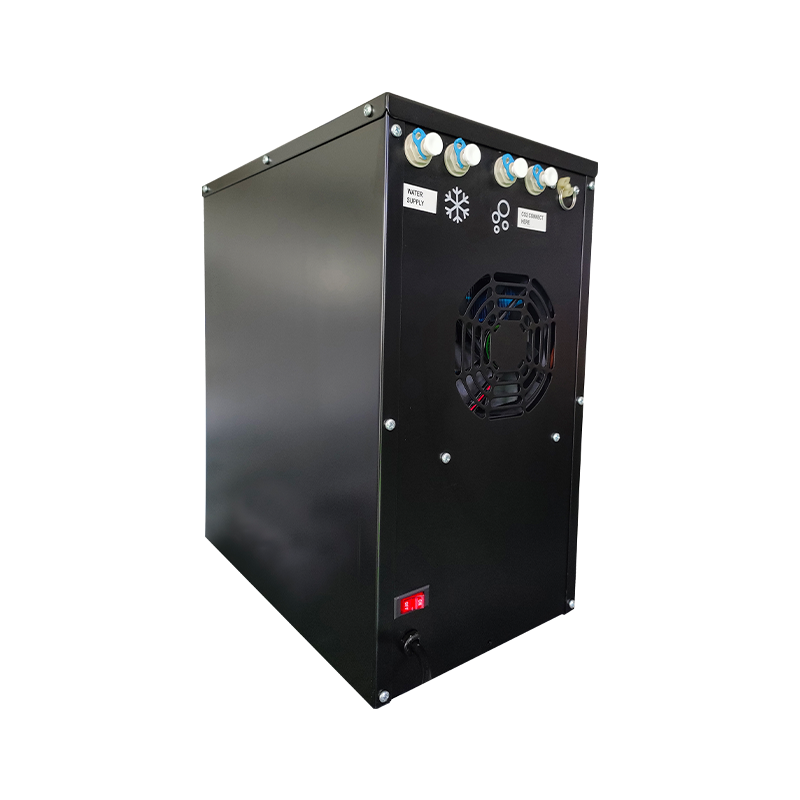
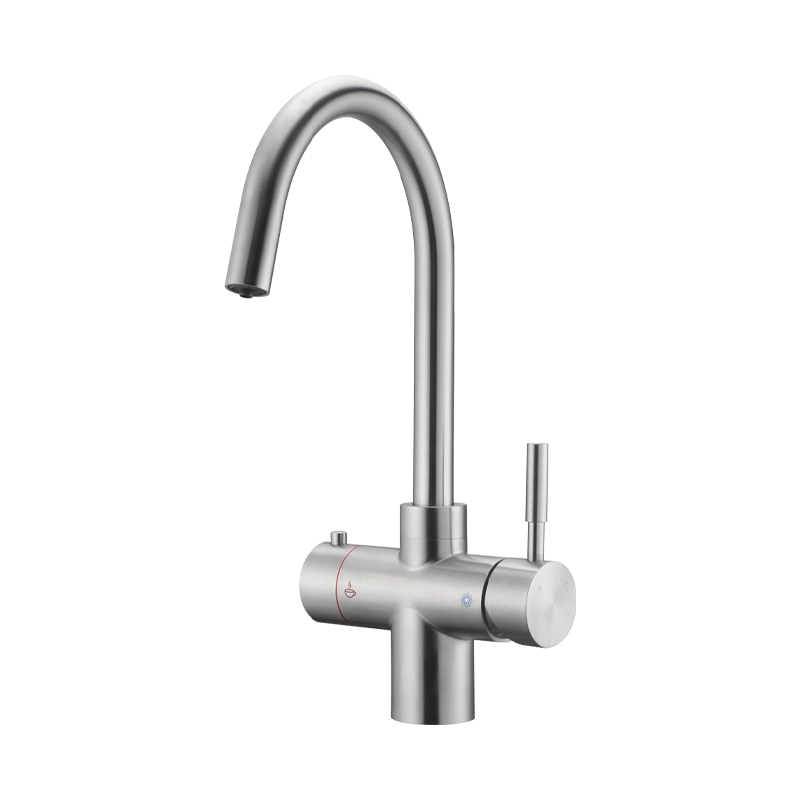
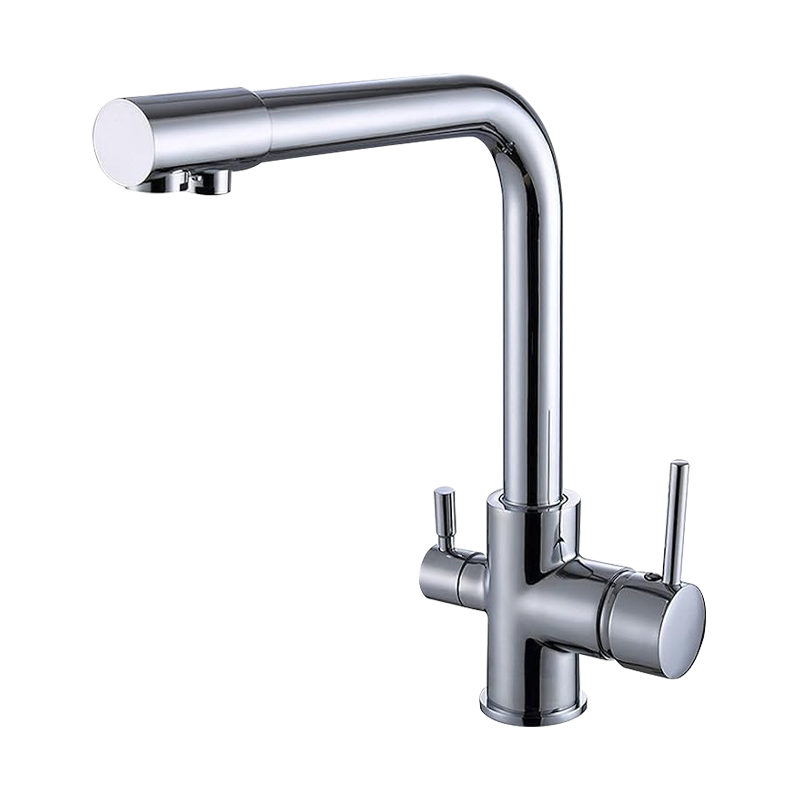
For an office or small restaurant with high throughput: Step up to a high-capacity undercounter dispenser that offers multiple water modes—still, chilled, and sparkling—from a triple-faucet setup. These units often feature a larger cooling tank and faster recovery. The high-capacity office undercounter sparkling water dispenser delivers consistent temperature across dozens of pours an hour, making it a dependable anchor for break rooms.
For a gourmet kitchen where aesthetics and fine control matter: Look for a system with a digital carbonation selector and a luxury faucet finish. The filtration should include a heavy-duty carbon block plus a scale inhibitor to protect the chiller. Direct faucet-based control allows guests to switch between still, medium, and high-carbonation water without opening a cabinet.

 ADDRESS
 CONTACT
 EMAIL
EMAIL