




 Language
 English
 Español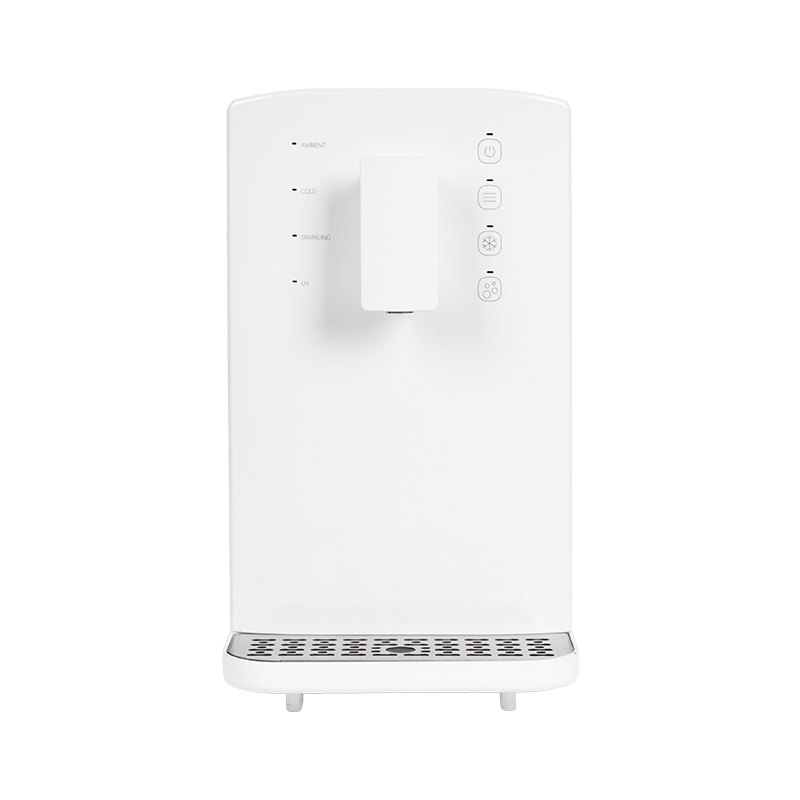
HOT PRODUCTS
Content
- 1 Why Install a Carbonated Water Tap at Home?
- 2 The 3 Main Types of Home Carbonation Systems
- 3 Installation Requirements: What You Need to Know
- 4 Long-Term Cost Analysis: Tap vs. Bottled vs. Soda Maker
- 5 CO₂ Cylinders: Sizes, Costs, and Where to Refill
- 6 Filtration & Water Quality: Does It Affect Taste?
- 7 Maintenance & Troubleshooting: Keep Your System Running
Why Install a Carbonated Water Tap at Home?
If your household goes through a couple of liters of sparkling water each day, you have almost certainly done the math on the weekly grocery run. Bottle after bottle piles up, the fridge never has enough space, and by Sunday night a fresh supply is already on the shopping list. A dedicated carbonated water tap in your own kitchen rewrites that script entirely.
The shift starts with convenience. Walk to the sink, press a button or turn a handle, and chilled sparkling water pours out on demand. No bottles to carry, no empties to store, no last‑minute panic when guests arrive. More important, though, is the environmental weight you shed. A single family that switches to a home carbonation system can keep over 2,000 single‑use plastic bottles out of landfills each year. That number gets even larger when you factor in the CO₂ emissions saved from transporting bottled water every week.
Then there is the money. Most households spend between $400 and $800 a year on store‑bought sparkling water. The upfront investment for a quality home carbonated water tap might look steep, but as you will see later, a solid system typically pays for itself within two years. Add better-tasting water thanks to built‑in filtration, and the choice becomes less about luxury and more about common sense.
- Instant chilled still, medium, or fully sparkling water from a dedicated faucet.
- Yearly plastic waste reduction of 500–2,000 bottles for a typical family of four.
- Long‑term cost per liter that drops far below both bottled and countertop soda‑maker alternatives.
The 3 Main Types of Home Carbonation Systems
The phrase “carbonated water tap at home” can mean three distinctly different pieces of equipment. Each comes with its own installation requirements, price bracket, and daily experience. Before you measure your cabinet or order anything online, you need to understand which category actually fits your kitchen — and your habits.
Under‑Sink Integrated Carbonators
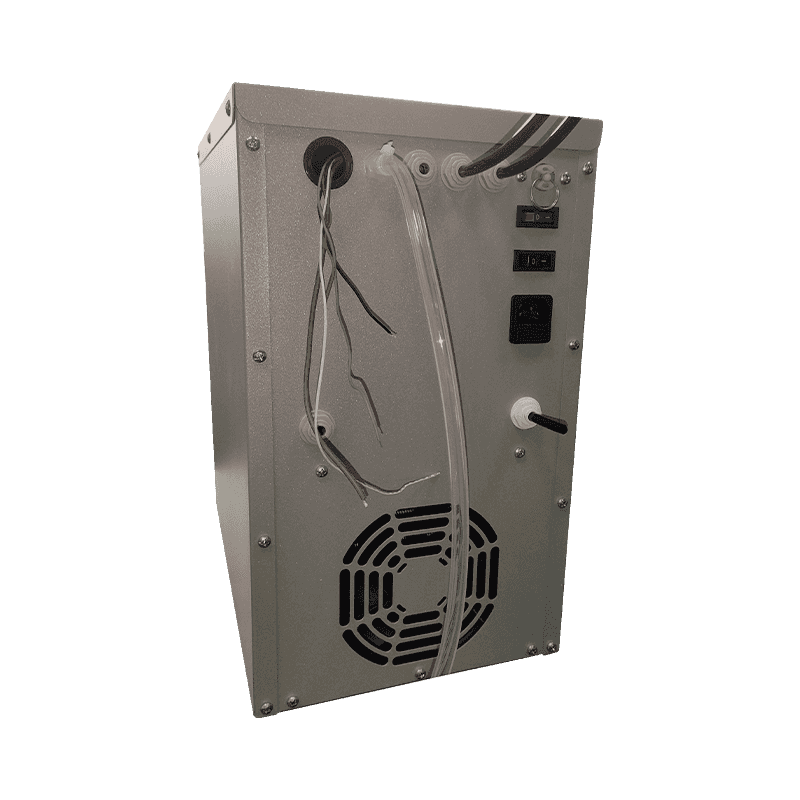
These are the closest thing to a professional bar experience in a residential kitchen. A compact unit sits under the sink, connected to the cold water line, a CO₂ cylinder, and a dedicated faucet mounted on the counter. The water is filtered, chilled, and carbonated inside the unit, so you get true one‑touch dispensing. Many systems also offer three modes: chilled still, medium sparkle, and full sparkle. Because the entire process happens under pressure and the water is cooled in a stainless‑steel tank before carbonation, the fizz level stays remarkably consistent. Expect installation to require a power outlet inside the cabinet, enough clearance (roughly 30×40×45 cm), and a spare hole in the sink or countertop for the faucet.
Countertop Soda Makers
The familiar countertop machines use a small CO₂ canister and a reusable bottle. You fill the bottle with cold water, screw it onto the machine, press a button a few times, and you have carbonated water. There is no integrated cooling, no filtration, and no direct water line — you handle everything manually. They are portable, cheap to buy ($80–$200), and require zero installation. The trade‑off is that you still have to refill and chill bottles yourself, and the cost per liter of CO₂ is noticeably higher than with refillable bulk cylinders used by under‑sink units.
DIY Carbonation Kits
Enthusiastic homebrewers and tinkerers sometimes build their own carbonated water tap from a standard CO₂ tank, a regulator, a carbonator lid, and a compatible keg or pressure vessel stored in a spare fridge or kegerator. A full write‑up on popular maker sites shows a typical budget of $800–$1,200 for high‑quality components. You gain unlimited control over carbonation level and ingredient additions, but you lose counter space and must deal with periodic cleaning of kegs and lines. This route suits someone who already owns a home‑brew setup and does not mind the extra maintenance.
| Feature | Under‑Sink Carbonator | Countertop Soda Maker | DIY Keg Setup |
|---|---|---|---|
| Installation | Plumbing + electrical | None | Moderate; tool skills needed |
| Initial Cost | $800–$2,000 | $80–$200 | $800–$1,200 |
| Chilled Output | Yes, always cold | No; pre‑chill water needed | Yes, if keg is refrigerated |
| CO₂ Cost per Liter | $0.10–$0.30 | $0.30–$0.60 | $0.05–$0.15 |
| Footprint | Hidden under sink | On counter | Refrigerator or kegerator space |
| Best For | Daily family use; clean look | Occasional drinkers; renters | Homebrewers; high‑volume users |
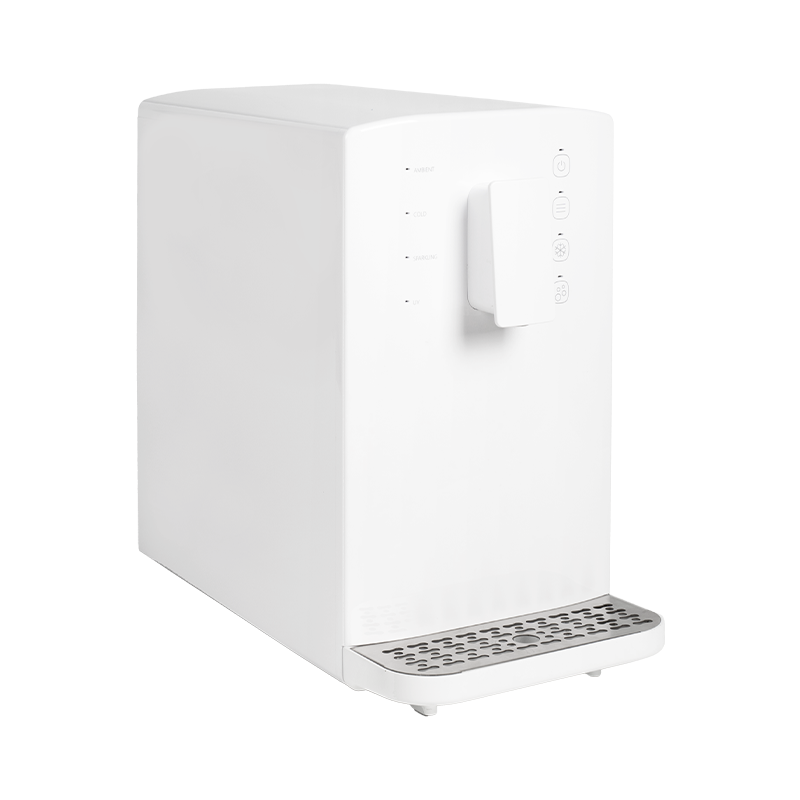
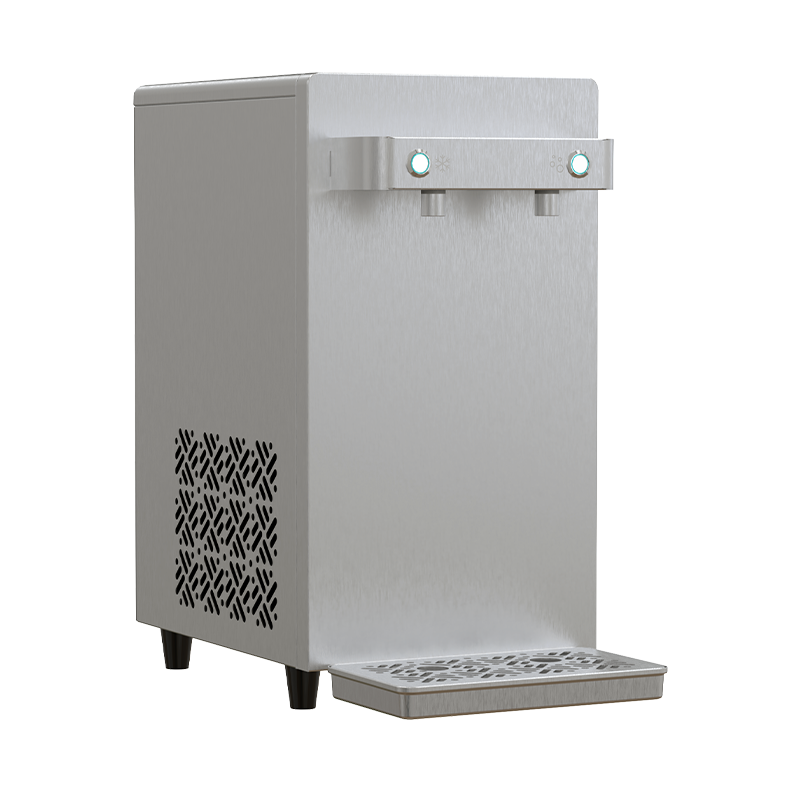
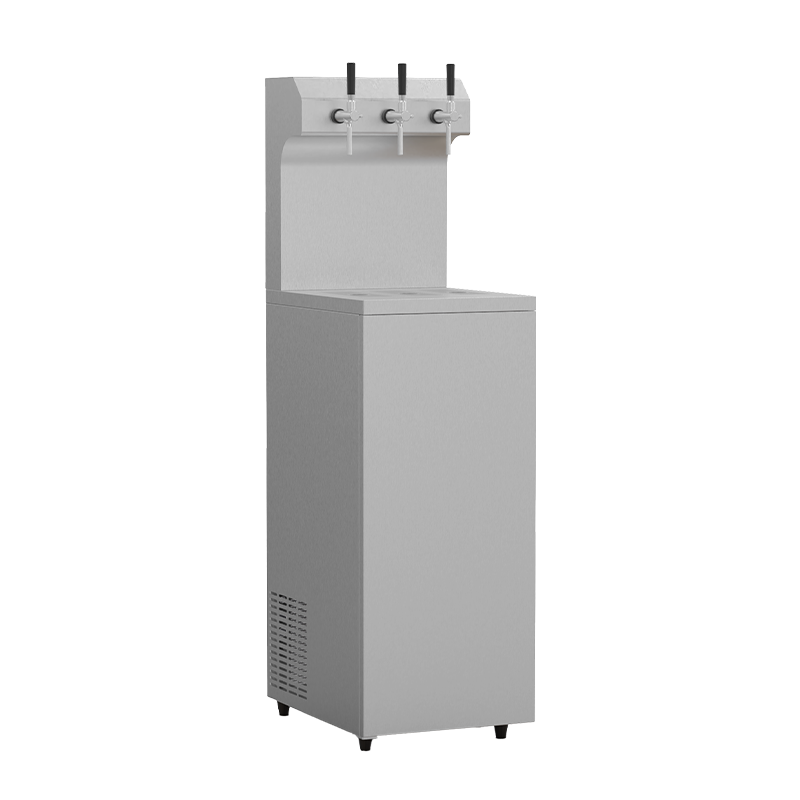
Many modern under‑sink units come as a single, compact appliance that handles filtering, chilling, and carbonation. If you want a streamlined solution, look into a home water dispenser that combines still, chilled, and sparkling water from one faucet — the technology has matured to a point where 2‑L/min flow rates and quiet operation are standard.
Installation Requirements: What You Need to Know
An under‑sink carbonator is not a plug‑and‑play appliance. Before ordering, you must verify three things on‑site. Missing even one of them can turn a weekend project into an expensive plumbing call.
- Power under the sink. The carbonator needs a standard 110V (or 220V, depending on region) outlet inside the cabinet. If your waste disposal already uses the only outlet, you will need a qualified electrician to add a new one.
- Physical space. Measure the width, depth, and height inside the cabinet. Most under‑sink carbonators need a minimum of 30 cm wide, 40 cm deep, and 45 cm high. The CO₂ cylinder sits alongside the unit, so add 10–15 cm of width for bottle access. Do not forget to account for existing plumbing, disposal units, or water filtration systems already in place.
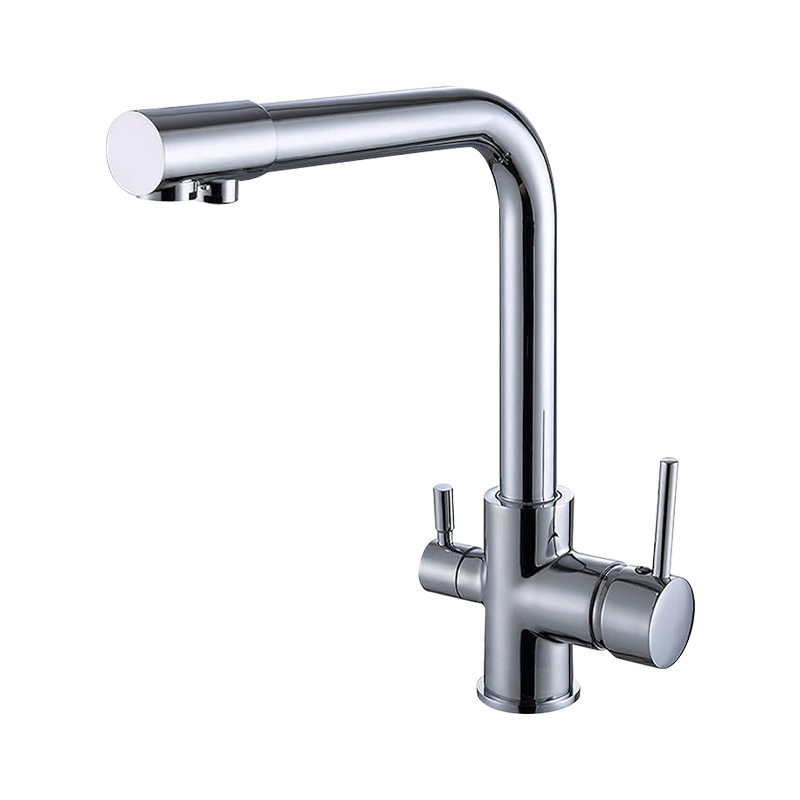
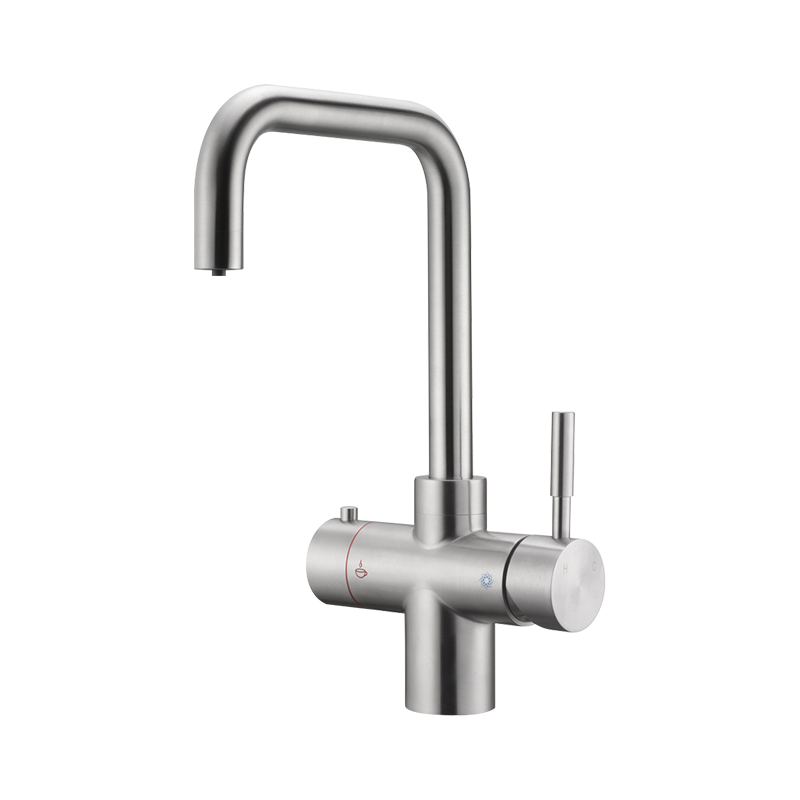
- A dedicated faucet hole. The system comes with its own slim dispenser tap, typically requiring a 35 mm hole in the countertop or sink rim. If every hole is already occupied by the main faucet, a soap dispenser, or an air‑gap, you either need to drill a new hole in a stainless‑steel sink (granite and composite need a specialist) or choose a combined tap model that integrates hot, cold, and sparkling into one unit.
Water pressure is rarely a deal‑breaker. Most carbonators are designed for 1.5–5 bar incoming pressure, which matches almost all municipal supplies. Well‑water systems with pressure below 1.5 bar may need a booster pump. If you are not comfortable cutting into water lines and mounting compression fittings, professional installation by a plumber usually adds $150–$350 to the project total.
Long-Term Cost Analysis: Tap vs. Bottled vs. Soda Maker
Sticker shock on under‑sink equipment is real, but it fades fast when you look at three‑year spending. For a household that drinks 2 liters of sparkling water per day, the numbers below assume an average under‑sink unit costing $1,200 installed, a countertop soda maker at $150, and store‑bought sparkling water at $0.80 per liter. CO₂ refill costs are based on a 5‑lb cylinder for the under‑sink system (replaced every 3 months) and the small proprietary canisters for the soda maker (exchanged monthly).
| Cost Item | Under‑Sink Carbonator | Countertop Soda Maker | Bottled Sparkling Water |
|---|---|---|---|
| Equipment / Installation | $1,200 | $150 | $0 |
| CO₂ Refills (3 years) | $360 (12 refills × $30) | $450 (36 canisters × $12.50) | N/A |
| Filter Replacements (3 years) | $360 (6 cartridges × $60) | $0 | N/A |
| Energy (3 years at 150 kWh/yr) | $55 | $0 | $0 |
| Water Purchases | $0 | $0 | $1,752 (730 L/yr × $0.80 × 3) |
| 3‑Year Total | $1,975 | $600 | $1,752 |
| Cost per Liter (year 3 onward) | $0.16 | $0.21 | $0.80 |
The soda maker looks cheapest over three years, but that equation ignores the value of chilled water, filtration, and the sheer convenience of a tap. Once the under‑sink system is paid off after roughly two years, its ongoing cost per liter drops below the soda maker and stays there. Over a decade, the integrated system saves thousands of dollars compared to bottled water. High‑quality units like those in the multifunctional household undercounter sparkling water dispenser range are built to last well beyond that period, which makes the long‑term arithmetic even stronger.
CO₂ Cylinders: Sizes, Costs, and Where to Refill
The CO₂ bottle is the only recurring consumable you cannot ignore, yet many first‑time buyers worry they will run out at the worst moment. Understanding cylinder sizes removes that anxiety. Under‑sink systems typically use refillable aluminum or steel cylinders that are swapped at a local gas supplier or shipped via exchange programs.
- 2‑lb cylinder: Carbonates approximately 60–80 liters. Fits in extremely tight cabinets. Refill cost around $15–$20.
- 5‑lb cylinder (most common): Delivers 130–160 liters of sparkling water. Refill cost $25–$35.
- 10‑lb cylinder: Good for 280–320 liters. Refill cost $35–$45. Requires more under‑sink floor space.
Many systems ship with two cylinders so you always have a spare. When one empties, you swap it out and schedule a refill or exchange at your convenience. Local welding supply shops, home‑brew stores, and dedicated online CO₂ bottle exchange services are the three main channels. Always ask for food‑grade CO₂; it costs a few dollars more than industrial grade and ensures no off‑flavors in your water. A typical family of four using 2 liters a day will replace a 5‑lb cylinder every 10–12 weeks, so keeping a second bottle on hand makes the whole system feel effortless.
Filtration & Water Quality: Does It Affect Taste?
Pour cold tap water into a glass and let it stand for five minutes. Chlorine notes, earthy undertones, or a faint metallic edge are all signals that your municipal supply needs polishing before carbonation. Unfiltered water that tastes passable when still often becomes aggressively off‑putting once carbonated, because CO₂ lifts volatile compounds and carries them straight to your nose.
Most built‑in carbonators include a filter stage, but the technology inside that cartridge matters enormously. Activated carbon blocks are the minimum; they remove chlorine, sediment, and some organic contaminants. Ultrafiltration (UF) membranes step up to capture bacteria and cysts while leaving healthy minerals intact. Reverse osmosis (RO) strips practically everything, delivering near‑pure H₂O, but it often requires a remineralization stage to avoid a flat, lifeless taste and to protect the carbonator’s internal components from corrosive low‑pH water.
| Technology | Removes | Impact on Sparkling Water Taste | Typical Filter Replacement Cost |
|---|---|---|---|
| Activated Carbon | Chlorine, sediment, some VOCs | Clean, fresh base; retains minerals | $30–$50 every 6 months |
| Ultrafiltration (UF) | Bacteria, cysts, fine particulates | Crisp, neutral; good mineral balance | $50–$80 every 6 months |
| Reverse Osmosis (RO) | Nearly all dissolved solids, heavy metals | Very soft; often needs remineralization | $80–$120 per year (membrane + pre‑filters) |
If your tap water is already soft and low in chlorine, a simple carbon block may be enough. Hard‑water households benefit from a system that includes scale inhibition or UF, because calcium buildup inside the carbonation chamber reduces cooling efficiency and can clog the CO₂ injector over time. Whichever filter you choose, change it on schedule. A clogged filter strangles flow and forces the pump to work harder, shortening the carbonator’s lifespan.
Maintenance & Troubleshooting: Keep Your System Running
Under‑sink carbonated water taps are not maintenance‑free, but the tasks are predictable and quick. A quarterly calendar reminder covers almost everything.
- Filter swap: Replace the water filter cartridge every 6 months or after 2,000–3,000 liters, whichever comes first. Note the date on the new cartridge with a permanent marker.
- Descaling: Every 3–4 months, fill a clean container with a 5% citric‑acid solution, disconnect the unit’s water inlet, and run the solution through the system per the manufacturer’s instructions. This prevents calcium deposits from building up on the carbonation pump and chilling coils.
- CO₂ leak check: Once a month, brush soapy water onto the cylinder valve and regulator connections. Active bubbling indicates a leak that must be tightened or repaired immediately. Even a tiny leak can empty a 5‑lb cylinder in days.
- Nozzle cleaning: If the sparkling water stream sputters or sprays sideways, the faucet nozzle likely has mineral buildup. Unscrew the tip, soak it in white vinegar for 20 minutes, rinse, and reattach.
- Annual service: Have a technician inspect the pump, pressure switches, and cooling system once per year, especially in hard‑water areas, to catch wear before it causes a failure.
Most trouble calls relate to three issues: no sparkling water (usually an empty CO₂ cylinder), weak carbonation (low CO₂ pressure or water temperature too high), and water leaks (loose connections or a worn O‑ring). Keeping a spare set of O‑rings and a small tube of food‑grade silicone grease in the cabinet turns many repairs into a five‑minute fix.


 ADDRESS
 CONTACT
 EMAIL
EMAIL