




 Language
 English
 Español
HOT PRODUCTS
Content
If you run a café, restaurant, hotel, or office, you already know that water is not just another ingredient—it is the foundation of every drink you serve and every break your team takes. A commercial drinking water filtration system is the quiet workhorse behind clean, consistent water. In our years of building commercial sparkling water dispensers, we have seen how the right filtration setup protects equipment, keeps flavors true, and reduces long-term costs. This guide shares what we have learned on the factory floor and in real installations, so you can make a more informed choice.
What a Commercial Drinking Water Filtration System Really Does
At its core, a commercial drinking water filtration system removes contaminants that affect taste, safety, and equipment performance. Most systems combine several stages: a sediment pre-filter catches sand and rust; activated carbon reduces chlorine, odors, and organic compounds; and a reverse osmosis (RO) membrane or ultrafiltration (UF) stage tackles finer impurities. Some setups add UV treatment for microbial control. The goal is not to make water “perfect” in a laboratory sense, but to deliver consistent quality at the flow rate your business needs. Unlike a home filter, a commercial unit must handle continuous draws during peak hours without a drop in pressure or performance.
Why Filtration Matters More in Commercial Settings
In a busy HoReCa environment, water runs through dispensers, coffee machines, and ice makers dozens or hundreds of times a day. Without proper filtration, scale builds up quickly, especially in areas with hard water. That scale insulates heating elements, clogs valves, and shortens the life of expensive equipment. Chlorine and organic matter can also create off-flavors that customers notice immediately. From our experience, a well-matched filtration system pays for itself through fewer service calls and more consistent drinks. It also helps you meet local water-quality expectations and internal hygiene standards. If you are planning a new installation, our commercial water machine selection, sizing, and care guide walks through the practical side of matching flow rate to real demand.
Key Factors When Choosing a System
Choosing a filtration system is a balancing act between water quality, flow rate, and maintenance. Start with a water test—it tells you what you are actually dealing with. Then match the system to your peak usage, not the average. The table below summarizes the factors we consider most often when specifying filtration for commercial dispensers.
| Factor | What to check | Why it matters |
|---|---|---|
| Flow rate | Peak demand in liters per hour | Prevents slow filling and pressure drops during rush hours |
| Micron rating | Nominal vs. absolute filtration | Determines which particles are captured and how often filters clog |
| Recovery rate | Ratio of product water to wastewater | Affects water bills and sustainability goals |
| Certifications | NSF/UL or local equivalents | Confirms safety and material compliance for potable water |
| Maintenance schedule | Filter change intervals and access | Keeps performance steady and avoids downtime |
It is also worth checking how the filtration system integrates with your dispenser. Some commercial units are designed with filtration in mind, while others require external housings and extra plumbing. The more closely the two are matched, the simpler installation and servicing become.
Matching Filtration to Your Dispenser Type
Commercial drinking water filtration does not exist in isolation—it supports the dispenser, coffee machine, or tap it serves. The right pairing depends on your space, your service style, and your volume. Here is how we think about the main configurations.
Countertop Systems for High-Volume Service
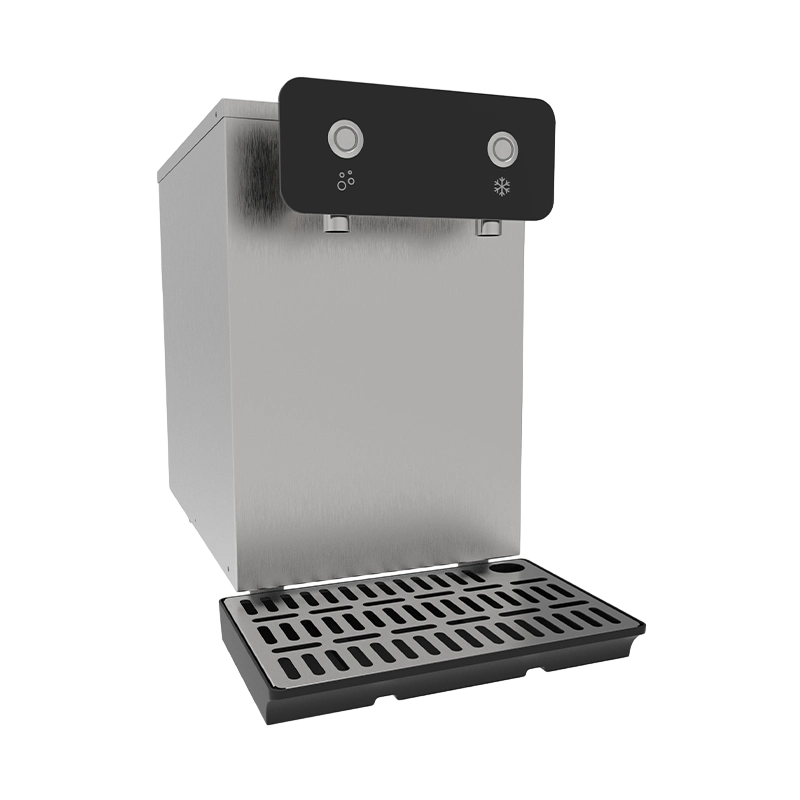
Countertop dispensers are common in cafés, bars, and buffet lines where staff need fast access. For these setups, a filtration system must keep up with rapid refills and multiple simultaneous draws. A high-flow unit with a large carbon block or an RO stage can make a real difference. In our commercial range, the BST90C triple-tap high-volume station is designed for exactly this kind of pressure, with three taps for sparkling, chilled, and ambient water. It is the kind of machine that benefits from a pre-sized filtration system rather than a generic add-on.
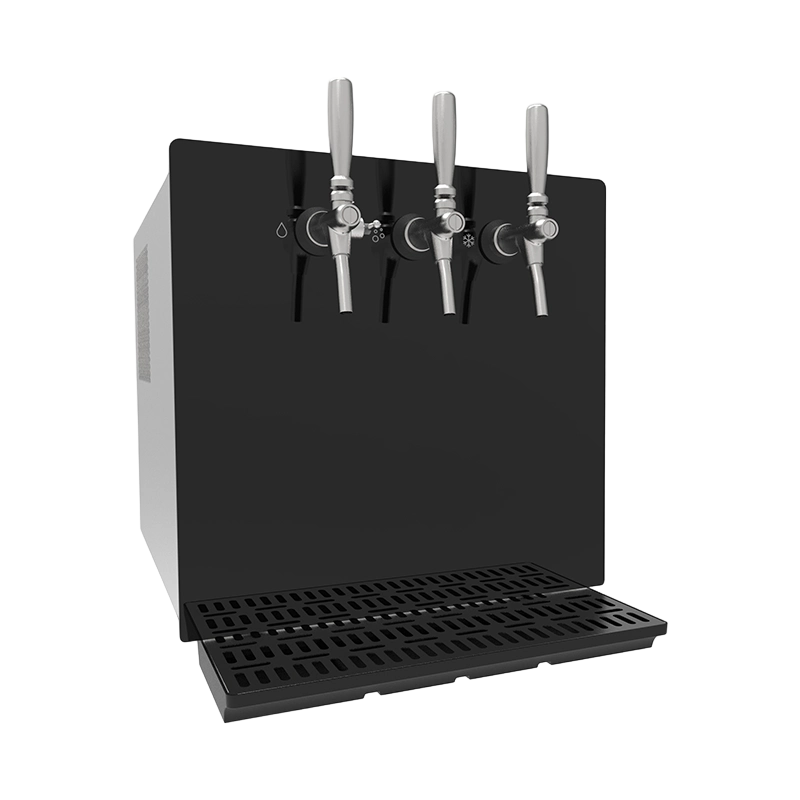 BST90C Triple-Tap High-Volume Commercial Water StationThree-tap commercial station for high-traffic HoReCa service, offering sparkling, chilled, and ambient water for countertop setups needing fast simultaneous draws.View Product →
Undercounter Systems for Clean Bars and Kitchens
Undercounter dispensers hide the machinery below the counter, leaving the workspace clean. That makes them popular in restaurants and hotel bars, but it also means filtration has to be compact and serviceable from the front. Look for systems that allow filter changes without dismantling the whole unit. Our BSD150A three-mode undercounter dispenser is built for this scenario, delivering sparkling, cold, and ambient water through a tap while keeping the filtration and cooling components out of sight.
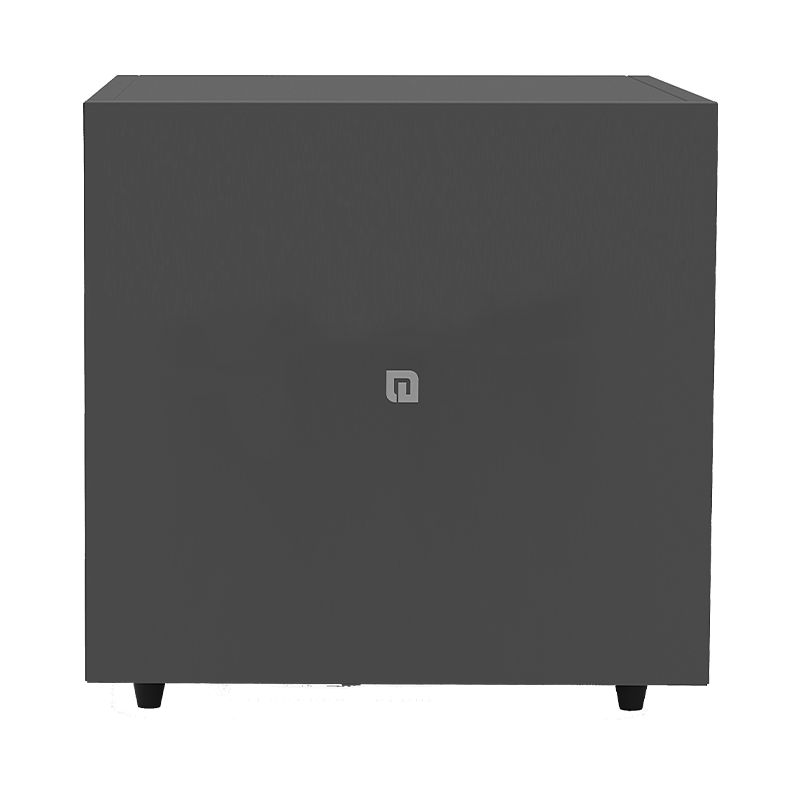 BSD150A Three-Mode Undercounter Sparkling Water DispenserUndercounter dispenser offering sparkling, chilled, and ambient water while keeping cooling and filtration components out of sight in restaurant or hotel bar workspaces.View Product →
Wall-Mounted and Floor-Standing Options
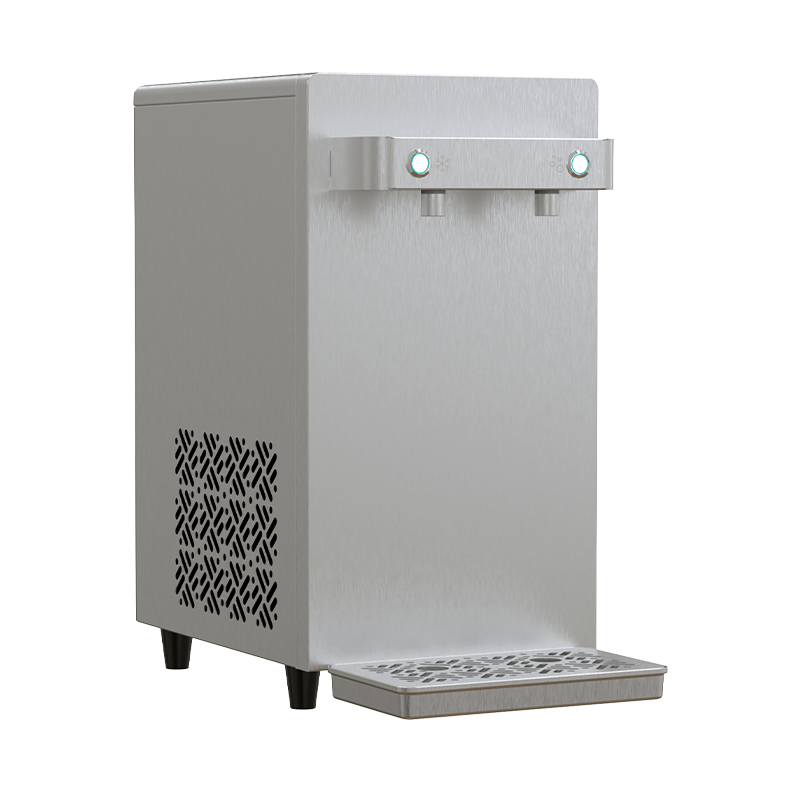
Wall-mounted units are a good fit for tight spaces or areas where floor cleaning is frequent. Because they are often installed in back-of-house corridors or prep areas, accessible filtration is a major advantage. The BDW20A wall-mounted sparkling water dispenser, for example, includes a filtration-accessible design so routine maintenance does not require a major disassembly. Floor-standing models, on the other hand, suit larger venues where multiple taps and higher capacity are needed. In every case, the filtration system should be sized to the dispenser’s output and the site’s water quality.
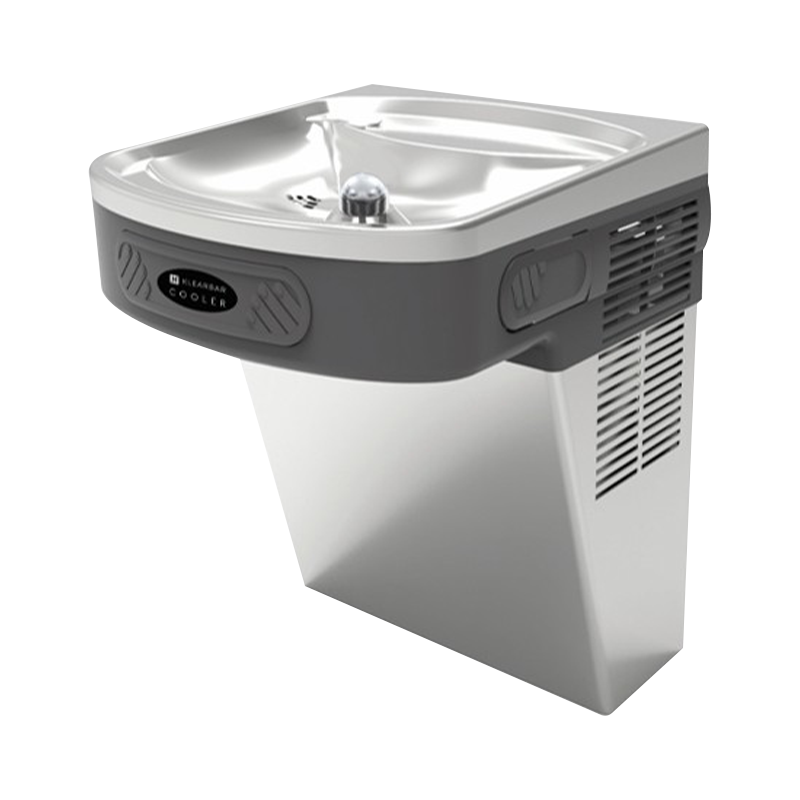 BDW20A Wall-Mounted Sparkling Water Dispenser with FiltrationWall-mounted sparkling water dispenser with integrated filtration and accessible controls, suited to tight spaces where routine filter access and hygiene matter.View Product →
Maintenance and Real-World Performance
Even the best filtration system will drift out of peak performance if maintenance is an afterthought. We recommend setting a filter change schedule based on pressure drop and water volume, not just a calendar. In high-traffic sites, that might mean changing sediment and carbon stages every few months, while RO membranes may last a year or more with proper pre-filtration. Sanitizing lines and checking for scale should be part of the routine too. From what we have seen, the most successful operators keep a simple log of filter changes and water tests. If you want a deeper look at how to plan care and servicing, our commercial sparkling water dispenser selection and maintenance guide covers the basics in more detail.
Bringing It All Together
A commercial drinking water filtration system is not a glamorous purchase, but it is one of the most practical investments you can make. It protects your equipment, keeps your drinks tasting right, and helps you deliver a consistent experience every day. Start with a water test, match the system to your real flow rate, and choose a dispenser that makes filtration easy to access and maintain. If you are planning a HoReCa or office installation, we are always happy to share what we have learned from our own manufacturing and field experience—no hard sell, just practical advice from one operator to another.

 ADDRESS
 CONTACT
 EMAIL
