




 Language
 English
 Español
HOT PRODUCTS
Content
If you have ever watched a glass of sparkling water fizz on the table, you have probably wondered what is actually inside it. The answer is refreshingly simple, but there are a few details worth knowing. Sparkling water is water with carbon dioxide dissolved into it. Everything else, from the minerals in the water to the way the bubbles are created, is what gives each bottle or glass its own character.
At home, in a restaurant, or straight from a spring, the basic recipe stays the same. Water and gas do most of the work. The rest comes down to source water, filtration, pressure, and the small choices a maker or a machine makes along the way.
The Simple Answer: Water and Carbon Dioxide
Plain sparkling water is made from two core ingredients: water and carbon dioxide. Carbon dioxide, often written as CO2, is the gas that creates the bubbles. It is dissolved into water under pressure, and when the pressure is released, the gas escapes as the familiar stream of tiny bubbles.
A basic ingredient list looks like this:
- Water, which may be filtered tap water, spring water, or mineral water.
- Carbon dioxide, usually food-grade CO2 added during carbonation.
- Naturally occurring minerals, such as calcium, magnesium, sodium, and bicarbonate, depending on the water source.
- Optional additions, such as mineral salts, natural flavors, or quinine in the case of tonic water.
That is the whole foundation. No sugar is needed for fizz, and no syrup is required to make water sparkle. The bubbles come from gas, not from fermentation or added chemicals.
How the Carbonation Happens
Carbonation is a physical process. Water is chilled and exposed to carbon dioxide under pressure. The cold temperature helps the water hold more gas, and the pressure keeps the CO2 dissolved. When you open the bottle or press the dispenser button, the pressure drops and the gas forms bubbles.
A small amount of the CO2 reacts with water to form carbonic acid. That is why sparkling water has a slightly tangy taste and a lower pH than still water. It is a mild effect, but it is part of what makes carbonated water feel crisp on the tongue.
Nature can make sparkling water too. Some spring waters pass through volcanic rock and pick up carbon dioxide underground. Others are carbonated at the bottling plant. Most supermarket sparkling waters and nearly all home sparkling water machines use food-grade CO2 and controlled pressure. The gas itself should be clean and odorless, because impurities can carry unpleasant flavors into the glass. If you want to go deeper into the bubble physics, this explanation of what makes sparkling water sparkle is a useful read.
What Else Might Be in Sparkling Water?
Sparkling water is not always the same as seltzer, club soda, or tonic water. The base may look similar, but small additions change both the taste and the ingredient list. Here is a simple comparison:
| Type | Base | Common Additions | Typical Taste |
|---|---|---|---|
| Sparkling water | Spring, mineral, or filtered water | Carbon dioxide; naturally occurring minerals | Light and crisp, sometimes minerally |
| Seltzer | Filtered water | Carbon dioxide only | Clean and neutral |
| Club soda | Water | Carbon dioxide, sodium bicarbonate, mineral salts | Slightly salty and rounder |
| Tonic water | Water | Carbon dioxide, quinine, sugar or sweetener | Bitter and sweet |
| Naturally carbonated mineral water | Spring or mineral water | Carbon dioxide from the source; minerals | Complex and regional |
Flavored sparkling waters may also include natural fruit essences or extracts. Some contain added sugar or sweeteners, while others are unsweetened. Reading the label is still the quickest way to know exactly what is in the bottle.
Minerals, Filtration, and the Water Behind the Bubbles
The water itself matters more than many people expect. Minerals such as calcium, magnesium, and bicarbonate affect mouthfeel and flavor. A high-mineral water can taste fuller and more complex, while a low-mineral water tastes cleaner and lighter. Neither is better; they are simply different.
Filtration is the other half of the story. Chlorine, sediment, and certain organic compounds can interfere with the taste of sparkling water. A good filter removes those elements without stripping away everything that makes water pleasant. In a home system, filtration is not usually listed as an ingredient, but it is part of the practical recipe. Clean water in, clean bubbles out.
Making Sparkling Water at Home
A home sparkling water dispenser generally has four working parts: a water supply, a filter, a carbonation chamber, and a dispensing tap. Chilled water enters the carbonation chamber, CO2 is introduced under pressure, and the finished water goes straight to your glass. The better the filtration and temperature control, the more consistent the result.
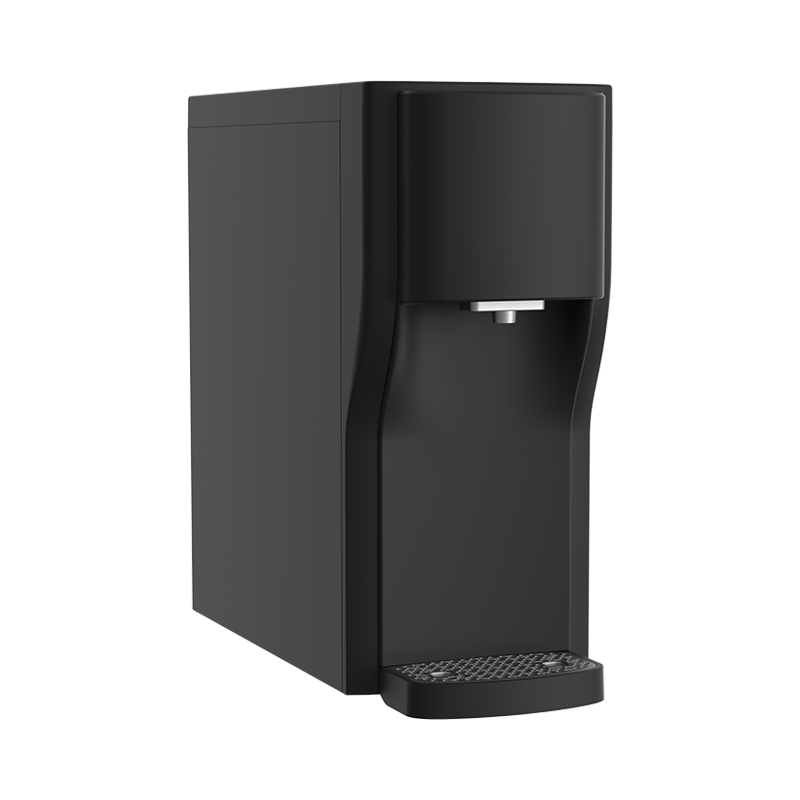
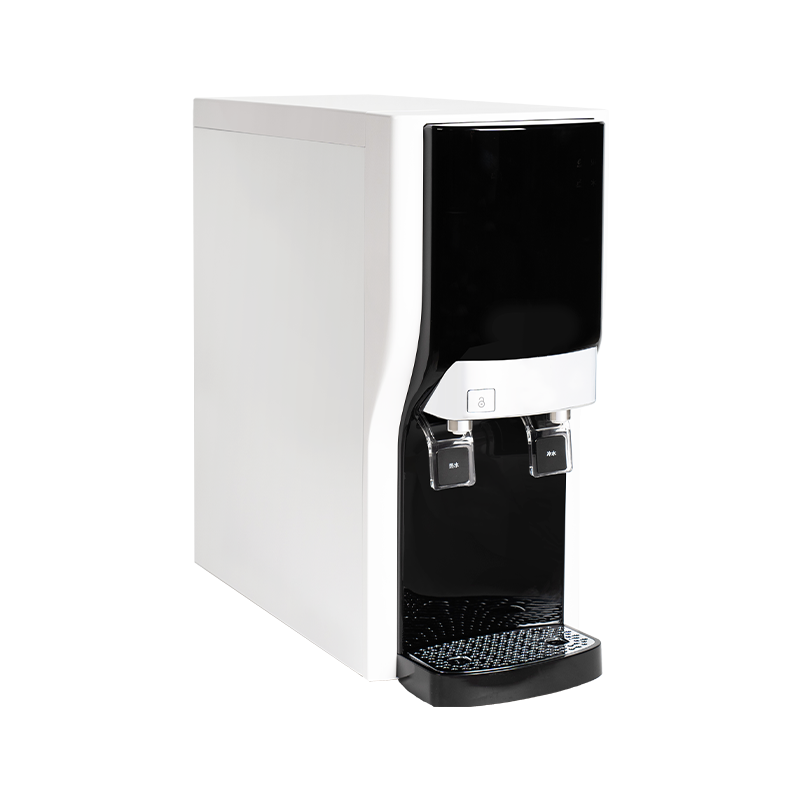 Countertop Filtered Sparkling Water Dispenser for HomeA compact countertop model with internal UF filtration, offering sparkling and cold water plus hot or ambient options to simplify filtered sparkling water at home.View Product →
A countertop model with a built-in filter, like our FYT02A, keeps the process simple: fill, chill, carbonate, and pour. For kitchens where counter space is tight, an undercounter system hides the working parts below the sink and leaves only a slim tap above.
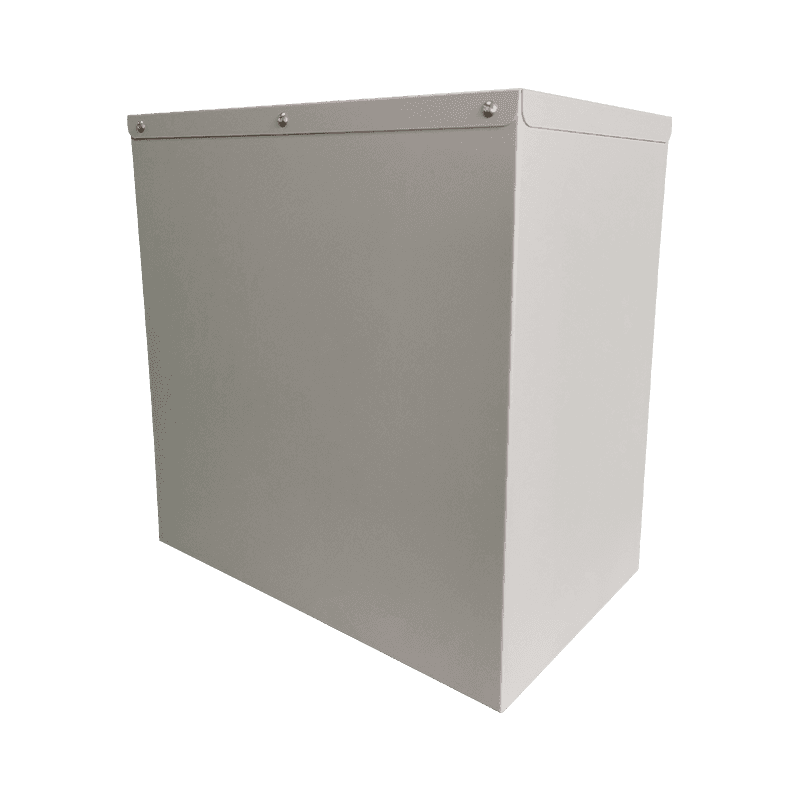 Multifunctional Undercounter Household Sparkling Water DispenserA compact undercounter system that hides working parts below the sink while providing sparkling, cold, hot, and room-temperature water, with optional UV disinfection.View Product →
We have spent years building sparkling water machines for homes, offices, and hospitality spaces, and one lesson comes up again and again: the parts you do not see matter most. Food-grade tubing, reliable pressure control, and certified components are not glamorous, but they are what keep the water tasting clean and the bubbles consistent. A machine should make the ingredient list shorter and the result more dependable, not add mystery.
Common Questions and Misconceptions
Does sparkling water contain sugar?
Plain sparkling water does not. Sugar appears in sweetened soda, tonic water, and some flavored sparkling beverages. If the label lists only water and carbon dioxide, there is no sugar in the product.
Is sparkling water acidic?
Yes, slightly. Dissolved CO2 forms a small amount of carbonic acid, which lowers the pH a little. That gentle acidity is part of the refreshing taste, and it is much milder than the acidity of many soft drinks or citrus juices.
Is bottled sparkling water better than homemade?
Both start with water and carbon dioxide. Bottled products may offer a specific mineral profile or a natural source, while a home machine gives you control over filtration, carbonation level, and packaging waste. The best choice depends on the taste you prefer and the convenience you need.
The Bottom Line
Sparkling water is made of water and carbon dioxide, plus whatever minerals or flavorings come from the source or the maker. The bubbles are simply dissolved gas returning to the air, and the taste is shaped by water quality, mineral content, filtration, and carbonation technique. The next time you pour a glass, you can enjoy the fizz knowing that the recipe is both simple and surprisingly thoughtful. If you make sparkling water at home, start with clean, well-filtered water and a machine you trust. The rest is just bubbles.

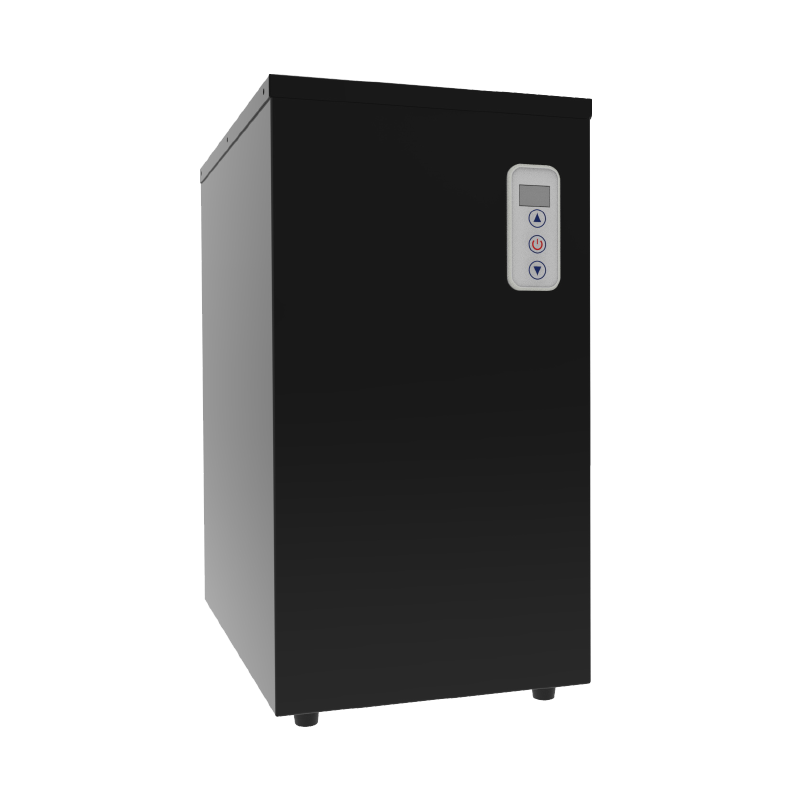
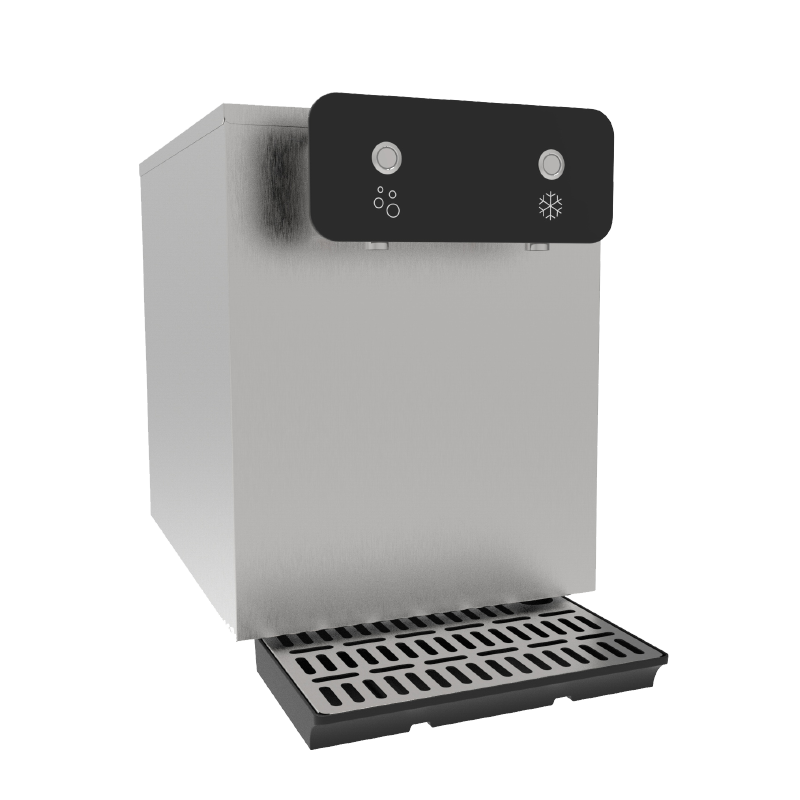
-1.png "3-Mode Undercounter Sparkling Water Dispenser")
 ADDRESS
 CONTACT
 EMAIL
