




 Language
 English
 Español
HOT PRODUCTS
Content
Two bottles sit side by side on a bar counter. One says sparkling, the other says mineral. Both fizz when you open them, and by the second sip almost nobody can explain what actually separates them. That is not a gap in anyone's knowledge so much as a quirk of how the drinks industry names things: the two words describe different properties, not competing products, and most labels assume you already know that.
We build sparkling water dispensers for homes, offices and hospitality venues, so this is a question we hear constantly from people choosing equipment. Clearing up the distinction usually makes every later decision simpler: which water to feed the machine, what carbonation level to expect, and what the glass will taste like when it is poured.
The Core Difference: Source vs. Carbonation
Mineral water is defined by where it comes from. To carry that name on a label, the water has to be drawn from a protected underground source and keep a stable, naturally occurring mineral profile. Nothing is added to it beyond carbon dioxide in most cases, and the character of the water comes from the rock it has travelled through.
Sparkling water is defined by what has been done to it. Carbon dioxide is dissolved into water under pressure, and the base water can be anything at all: filtered municipal water, spring water, or a mineral water that was still until the bottling line got hold of it. The bubbles are the point.
So they are not really rivals on the same shelf. One describes an origin, the other describes a texture. A naturally carbonated mineral water is both at once, which is exactly why the comparison gets so muddled in everyday conversation.
| Aspect | Sparkling water | Mineral water |
|---|---|---|
| What defines it | Dissolved CO2 | Its protected underground source |
| Where bubbles come from | Added at the plant, or natural gas from the source | None unless stated; some sources are naturally carbonated |
| Mineral content | Varies with the base water; club soda adds salts | Naturally present and stable over time |
| Can it be still? | Yes, the base water often is | Yes, most mineral water is bottled still |
| Taste | Crisp, clean, occasionally lightly salty | Rounder or more structured, sometimes chalky or bitter |
| Typical label wording | Seltzer, soda water, sparkling water | Natural mineral water, still, sparkling, lightly sparkling |
A quick rule of thumb: read the first sentence on the back of the bottle. If it talks about a spring, an aquifer or a source, you are holding mineral water. If it talks about carbonation, you are holding sparkling water.
What Is Actually in the Glass
Four names cover almost everything on the shelf, and they are not interchangeable:
- Seltzer is carbonated water with nothing else added. Shortest ingredient list you will find.
- Club soda or soda water is carbonated water with a small amount of added mineral salts, usually bicarbonate or potassium compounds, which gives it that faint savoury edge. Excellent for cocktails and batters.
- Sparkling mineral water is mineral water, either naturally carbonated at the source or carbonated at the bottling line. The mineral profile stays the same whether it is still or fizzy.
- Tonic water is a soft drink rather than a water: carbonated water with quinine, sugar and often citrus flavour.
The pattern holds up everywhere: the shorter the ingredient list, the closer you are to plain carbonated water, and the more the flavour comes from the water itself rather than from additions.
Why Mineral Water Tastes Different
Dissolved solids do most of the work. Water rich in calcium and bicarbonate tends to taste round and almost creamy on the finish. Magnesium and sulfate push the other way, giving a drier, occasionally bitter edge that some people love in a cocktail and others find harsh at breakfast. Sodium is the usual reason a sparkling mineral water tastes faintly salty.
Carbonation is a second, separate variable. Two waters with identical mineral content will drink completely differently at 2 bar and 5 bar, chilled or cool, freshly opened or left to go flat. Bubble size and persistence depend on how the gas was dissolved and how the liquid is poured, which is why the physics behind the fizz matters as much to a café owner as the source of the water does.
Health: Bubbles, Minerals and Hydration
Both drinks hydrate you. Roughly 99 percent of each glass is water, and the carbonation does not change how well your body absorbs it. The interesting differences lie elsewhere.
- Mineral contribution. Mineral water can be a genuine dietary source of calcium and magnesium, and many people drink it for exactly that reason. Plain sparkling water carries whatever minerals the base water had, which is often very little.
- Acidity. Carbon dioxide forms a weak carbonic acid, so sparkling water sits slightly below neutral on the pH scale. That sounds alarming until you compare it with coffee or citrus juice, and the effect on your body's own pH is negligible.
- Teeth. Unflavoured sparkling water is a far gentler choice than soft drinks. Flavoured and citrus-spiked versions are a different story, since the added acid is the real culprit.
- Digestion. Some people find bubbles help after a heavy meal; others find them bloating. That is a personal response rather than a rule.
If you are watching sodium, check the mineral content on the label: a few naturally sparkling waters are surprisingly high in it.
Cost, Packaging and the Waste Question
Bottled sparkling water is convenient and genuinely good in small quantities. At volume, though, the economics shift quickly. You are paying for glass or plastic, for transport weight, for storage space and for refrigeration, none of which improve the drink. A dispenser running on filtered mains water and food-grade carbon dioxide removes almost all of that overhead, and the quality is more consistent because the carbonation level is set by you rather than by a bottler.
For a household drinking two bottles a week, keep buying bottles. For a family of five, an office floor, or a restaurant pouring forty glasses a night, the machine pays for itself in logistics long before it pays for itself in water.
Making Either Style at Home or Behind the Bar
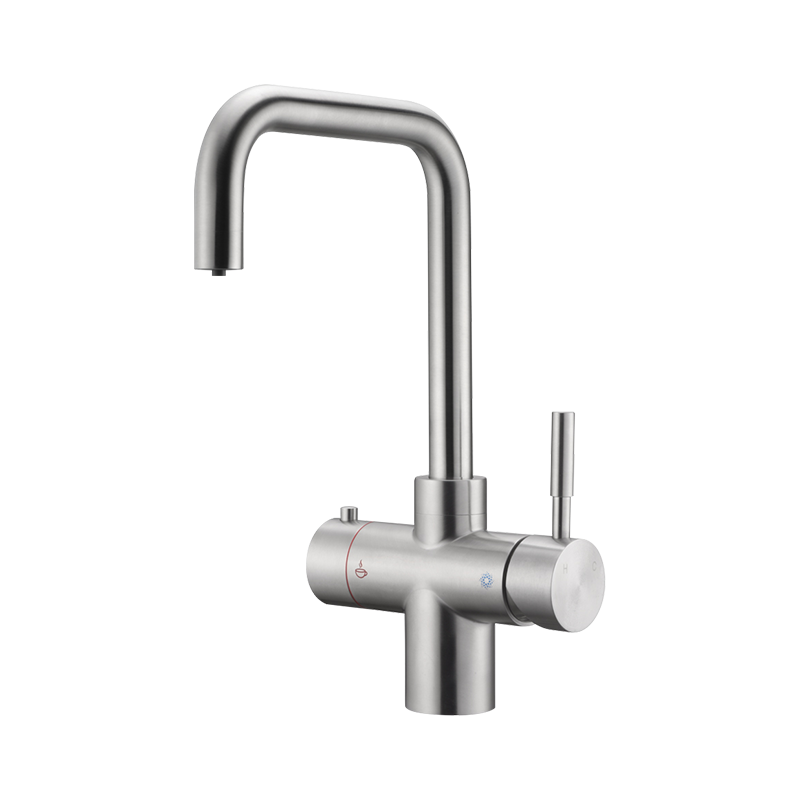
If you want sparkling water on demand, the equipment question comes down to installation form and output. Countertop units need no plumbing work beyond a supply connection and suit kitchens with spare bench space. A model like our
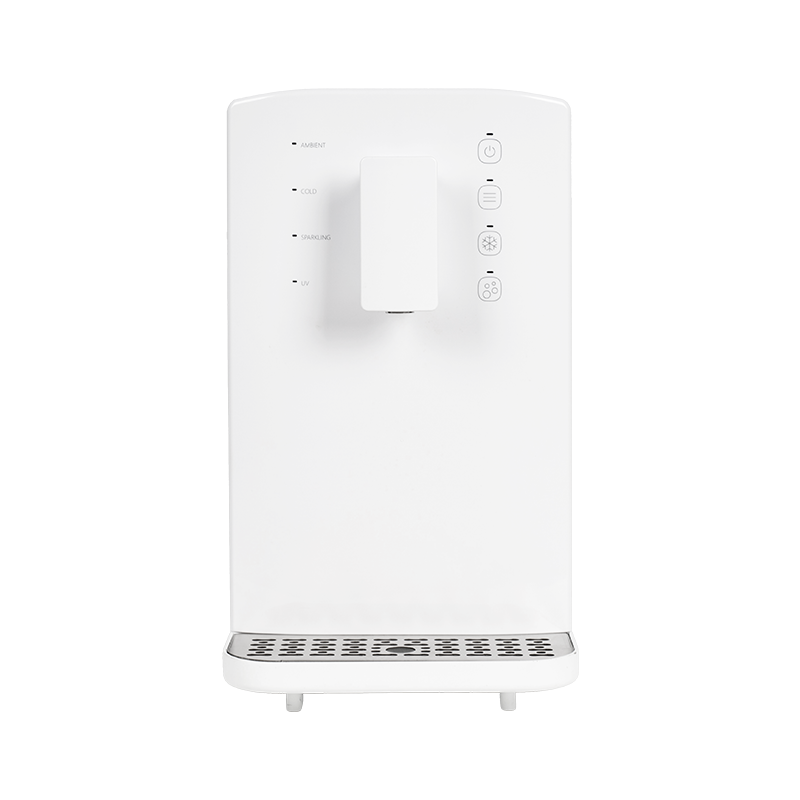 Home Countertop Sparkling Water Dispenser, Korean DesignCompact Korean-design countertop model with a three-way output option for sparkling, chilled, and ambient water, suited to kitchens with spare bench space.View Product →
is a good example of the type: compact housing, three-way output for sparkling, chilled and ambient water, and a design language that reads as a kitchen appliance rather than a piece of machinery.
Where bench space is tight, undercounter sparkling water systems hide the works below the sink and leave only a tap or dispense tower visible, which is usually the tidier answer for a domestic kitchen or a bar back.
In hospitality the priority changes to throughput. Staff need a pour they can repeat during a rush, without guessing at carbonation. A commercial unit such as the
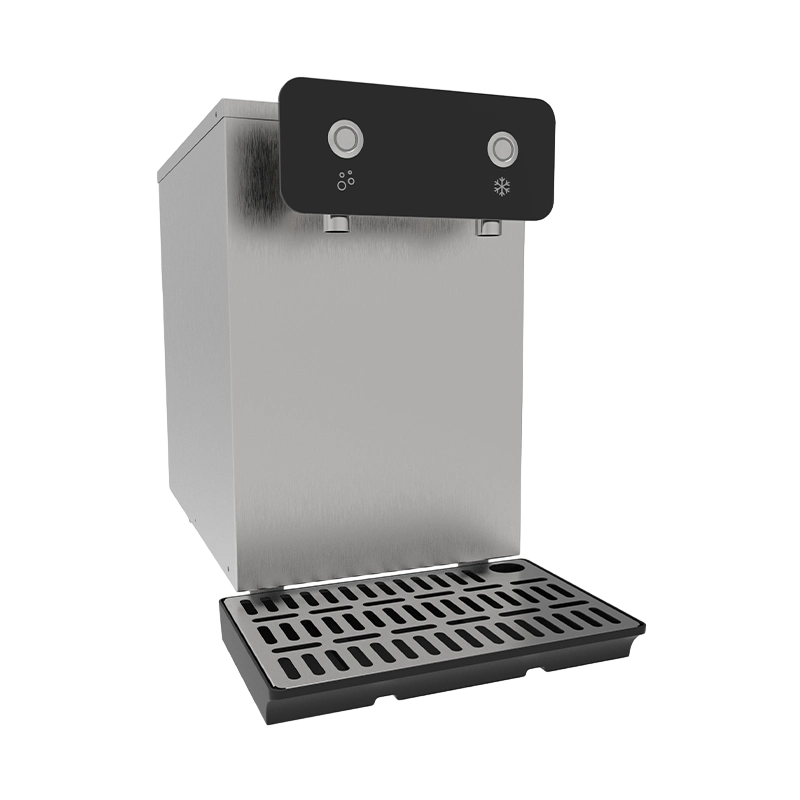 Commercial Instant Sparkling Water Dispenser with Custom PourCountertop HoReCa dispenser for repeatable sparkling or chilled pours, with adjustable single-dispensing volume to fill glasses or bottles consistently during service.View Product →
was designed around that: instant sparkling water on one button, a second for chilled still, and adjustable pour volume so a glass or a bottle is filled consistently.
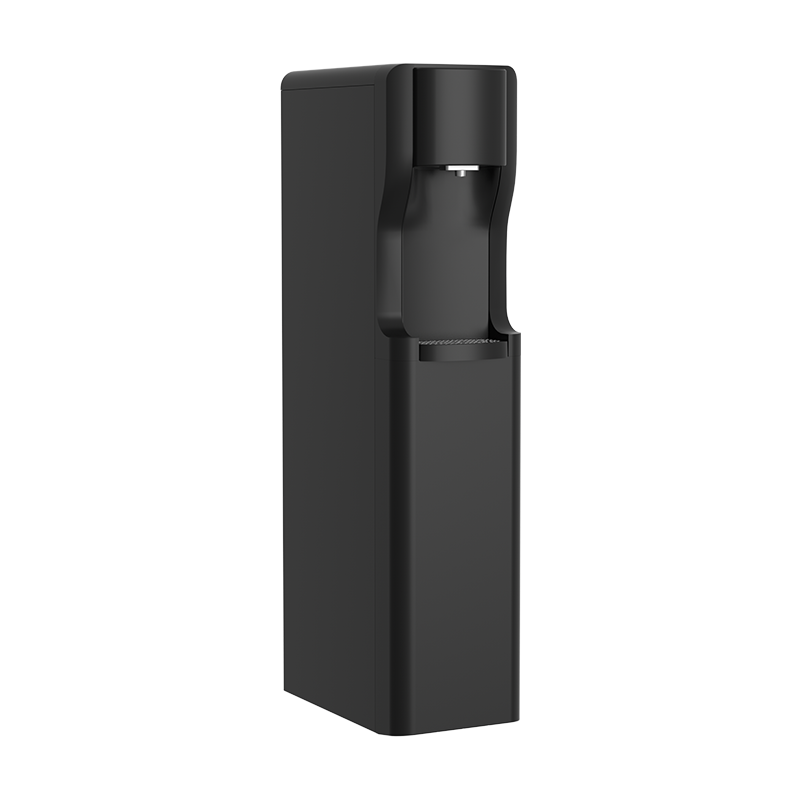
Offices sit between the two. Consumption is steady rather than peaky, noise matters, and nobody wants to think about maintenance. A dry-cooling office machine such as the
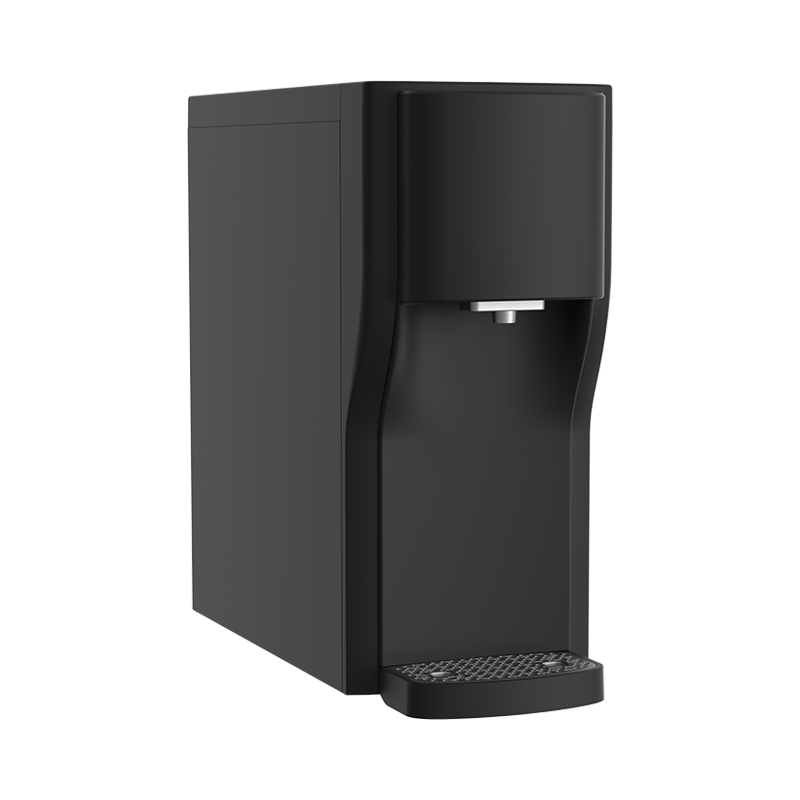 Office Countertop Sparkling Water Dispenser with Dry CoolingCompact office dispenser with dry cooling and UF filtration, offering chilled, hot, and sparkling variants for break rooms where steady demand and hygiene matter.View Product →
avoids standing water in the cooling circuit, which keeps hygiene simpler and the footprint small enough for a tea point.
Whichever route you take, feed the machine with water you would happily drink still. Carbonation lifts a good water and amplifies a bad one, so filtration comes first and gas comes second.
Which One Fits Your Situation
- Cooking, cocktails and everyday fizz: sparkling water is the flexible choice, and club soda brings a little salinity that lifts batters and long drinks.
- Drinking water for its own sake: a good mineral water, still or sparkling, gives you flavour and trace minerals that seltzer simply does not have.
- High-volume settings: choose a dispenser that produces sparkling water on site, and let the carbonation level be your decision rather than the bottler's.
- Tasting and pairing: treat mineral water like wine. Two bottles from different sources are genuinely different drinks, and that is the fun of it.
Neither drink is better than the other, and anyone who tells you otherwise is selling something. Mineral water is a place; sparkling water is a process. Once that lands, the label stops being confusing and starts being useful.
We have been building sparkling water machines since 2019, on top of more than a decade of mould and injection work before that, and our units carry UL, NSF, CE and CB certification for the markets they serve. If you are weighing up a countertop machine, an undercounter system or a full commercial setup, tell us how many glasses you pour on a busy day and we will point you at something sensible.

 ADDRESS
 CONTACT
 EMAIL
