




 Language
 English
 Español
HOT PRODUCTS
Content
Few drinks divide a table quite like a glass of sparkling water. One person credits it with helping them finally give up soda; the next insists it bloats them before dinner. We have spent years building carbonation machines for kitchens, office pantries and busy café counters, and in that time we have heard almost every version of this argument. So here is a calm, practical look at the sparkling water pros and cons — what the fizz genuinely does for you, where it can quietly work against you, and how to enjoy it without overthinking it.
What Sparkling Water Actually Is
At its simplest, sparkling water is water with carbon dioxide dissolved into it under pressure. That process forms a small amount of carbonic acid, which gives the drink its faint tartness and pushes the pH down to roughly 3 to 4. That is noticeably more acidic than still water, but far gentler than cola, citrus juice or a sports drink.
It also helps to know which member of the family you are drinking. Plain sparkling water is simply carbonated water. Seltzer is carbonated water, sometimes with added minerals. Club soda has mineral salts added, so the sodium count climbs. Tonic water carries sugar and quinine and is really a soft drink in disguise. If you enjoy the chemistry of it, we keep a longer explainer on whether sparkling water is acidic or alkaline and why the answer matters less than most people expect.
Still water with bubbles, not a different beverage
The important point is that the bubbles change the texture and the taste, not the basic job the drink does. Once you accept that, the pros and cons become much easier to weigh honestly.
The Pros of Sparkling Water
It hydrates just as well as still water
This is the myth that refuses to die. Short-term studies comparing still and carbonated water have found no meaningful difference in hydration markers, and people who drink sparkling water regularly stay just as well hydrated as those who prefer it flat. The practical takeaway is simple: if the fizz makes you reach for the glass more often, it is helping you, not hindering you.
A stepping stone away from sugary drinks
Most of us do not struggle to drink water because we dislike it; we struggle because it feels boring next to something cold, sweet and loud. Carbonation gives plain water a bit of ceremony — the crack of a bottle, the sting on the tongue, the ice and the lime wedge. For someone drinking two or three cans of soda a day, replacing even half of them with sparkling water is one of the least painful dietary changes available.
It may ease digestion and swallowing
Carbonated water has been studied for its effect on swallowing, particularly among older adults, where the slight irritation of the bubbles appears to trigger a stronger swallow reflex. Several small trials also suggest it can improve indicators of digestion after a meal and gently increase feelings of fullness. These are modest effects, not miracles, but they explain why so many people describe sparkling water as "settling" after eating.
The habit itself is the real benefit
Honestly, the strongest argument in favour of sparkling water is behavioural rather than biochemical. A drink you enjoy is a drink you will actually finish, and a pleasant alternative at the fridge door beats a stern lecture about hydration every time.
The Cons Worth Knowing About
Tooth enamel deserves genuine respect
Carbonic acid is weak, and plain, unflavoured sparkling water on its own has a minimal effect on enamel, particularly when you drink it with a meal. Problems usually arrive through the side door: citrus flavourings, added sugar, or sipping steadily from a can all afternoon. Sparkling water with a good squeeze of lemon is measurably more erosive than the plain version. If you drink it constantly, use a straw or rinse with still water afterwards, and do not brush immediately after acidic drinks.
Bloating, gas and reflux
Carbon dioxide is, by definition, a gas. Some of it comes back up, and people who are prone to reflux, bloating or irritable bowel symptoms often notice discomfort with large volumes of fizz, especially late in the evening or alongside a heavy meal. This is highly individual — many people feel nothing at all — but it is worth testing rather than assuming.
The calcium myth, mostly settled
You will still find articles claiming carbonated water leaches calcium from bones. The evidence does not support that for plain carbonated water. The concern originally came from cola consumption, where phosphoric acid and caffeine muddied the picture. Sparkling water is not cola, and treating it as though it were is unfair to the bubbles.
Club soda and many flavoured sparkling waters carry meaningful sodium, and some "sparkling water beverages" are sweetened or contain acidifiers that put them much closer to soft drinks. Read the label once, in the shop, and you will never have to guess again.
Cost and packaging
A daily canned sparkling water habit adds up quickly, and the empties add up too. That is one of the reasons home carbonation has become so popular — we will come back to that.
Pros and Cons at a Glance
| Aspect | What works in its favour | What to watch |
|---|---|---|
| Hydration | Hydrates about as well as still water | Nothing significant |
| Teeth | Plain versions have minimal effect | Citrus flavourings and constant sipping |
| Digestion | May ease swallowing and post-meal heaviness | Gas, bloating and reflux in sensitive people |
| Weight management | Useful swap for sugary drinks; mild fullness effect | Sweetened "sparkling beverages" undo the gain |
| Bone health | No evidence of calcium loss from plain sparkling water | Confusion with cola-based studies |
| Sodium | Zero in plain sparkling water | Club soda and flavoured varieties add salt |
| Cost and waste | Home carbonation lowers both over time | Daily bottled or canned purchases add up |
Making It at Home Changes the Maths
Most of the drawbacks above shrink when you carbonate your own water. You know exactly what is in the bottle — usually nothing but water and gas — you can control how fizzy it gets, and you stop hauling cases home from the supermarket. Over a couple of years the savings are real, and so is the drop in packaging.
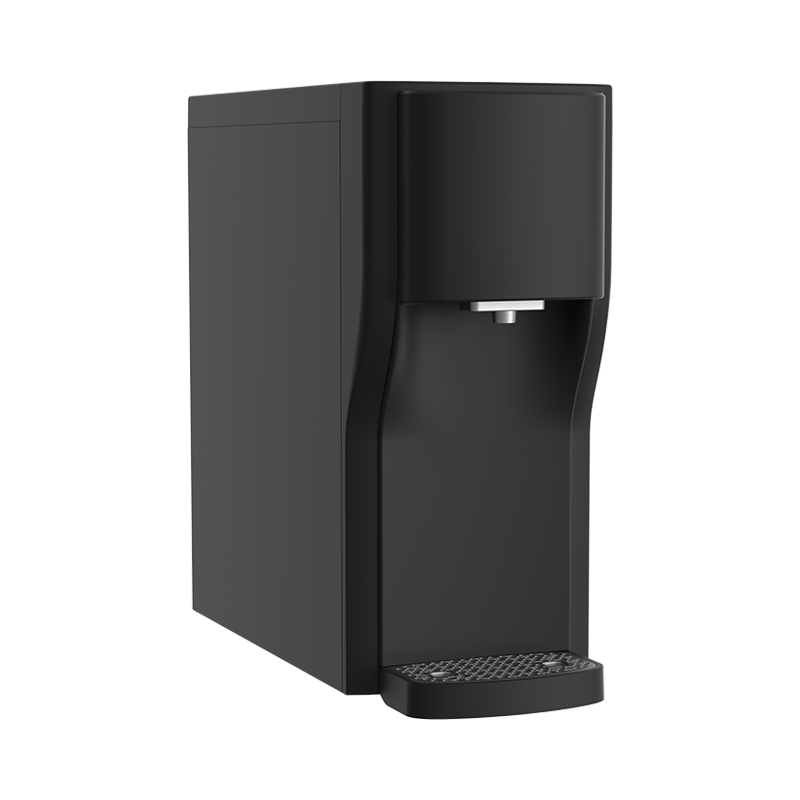
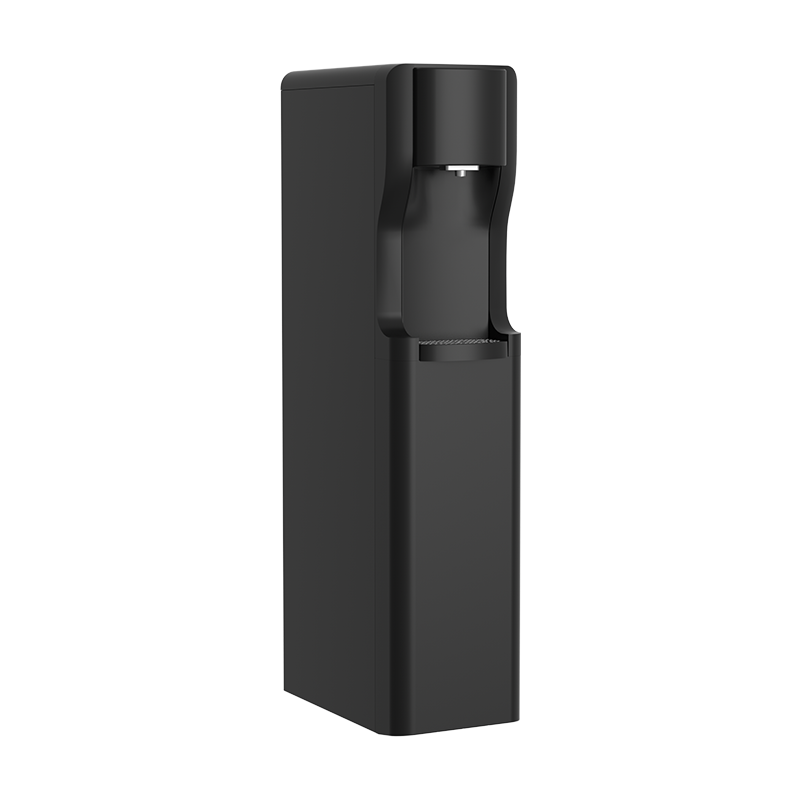
For a family kitchen, a compact countertop unit is the easiest place to start; our home countertop sparkling water dispensers are designed to sit beside the kettle rather than replace it. A model like the FST06A gives you chilled, ambient and sparkling water from one small footprint, which matters more than any spec sheet once the novelty wears off and the machine has to earn its counter space.
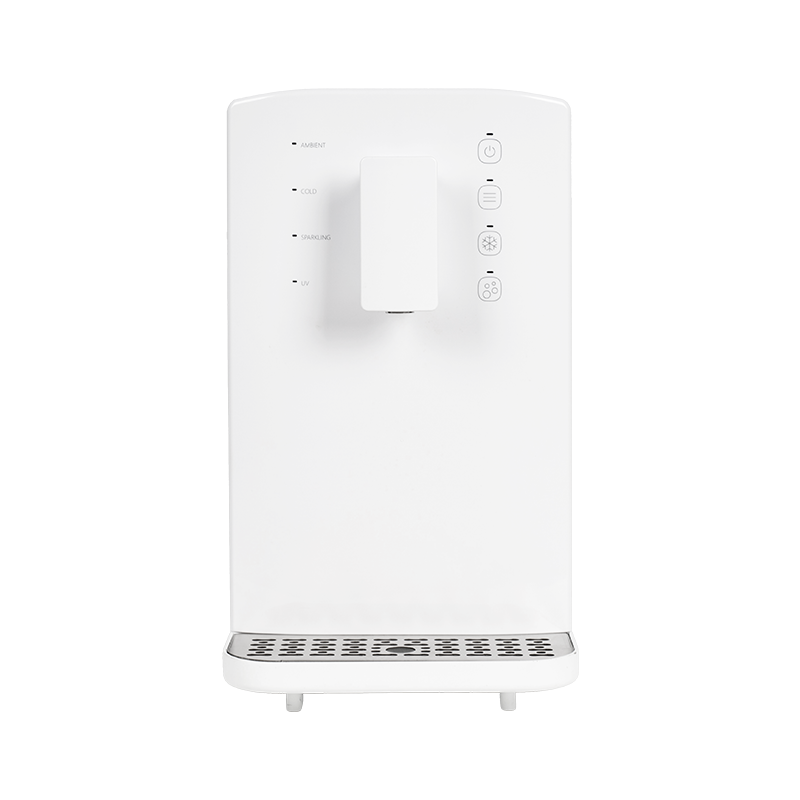 FST06A Home Countertop Sparkling Water DispenserCompact FST06A countertop dispenser series offers chilled, sparkling and ambient options in a narrow space-saving design for home or office kitchens.View Product →
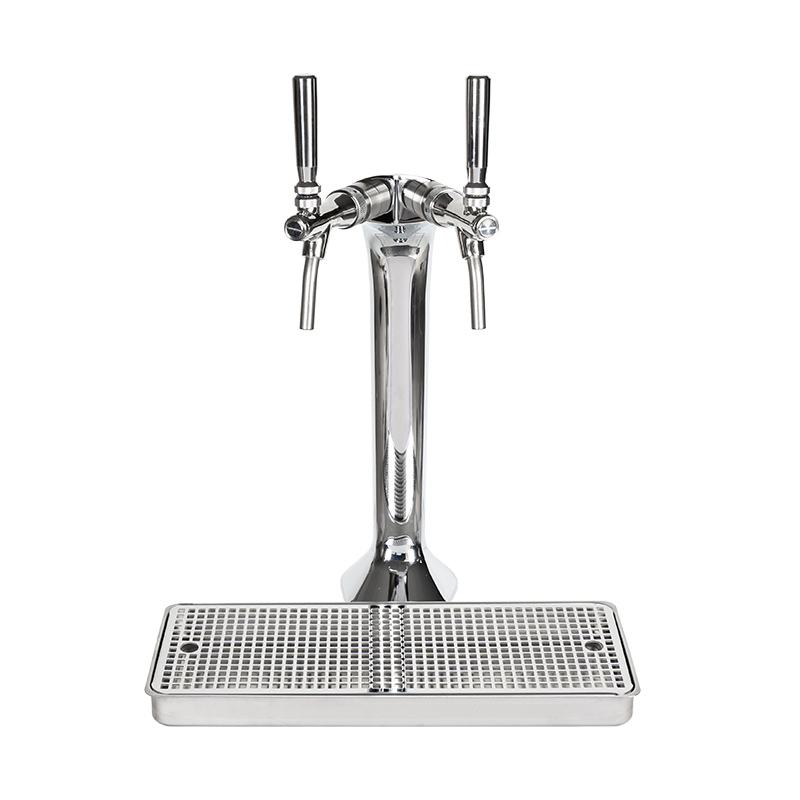
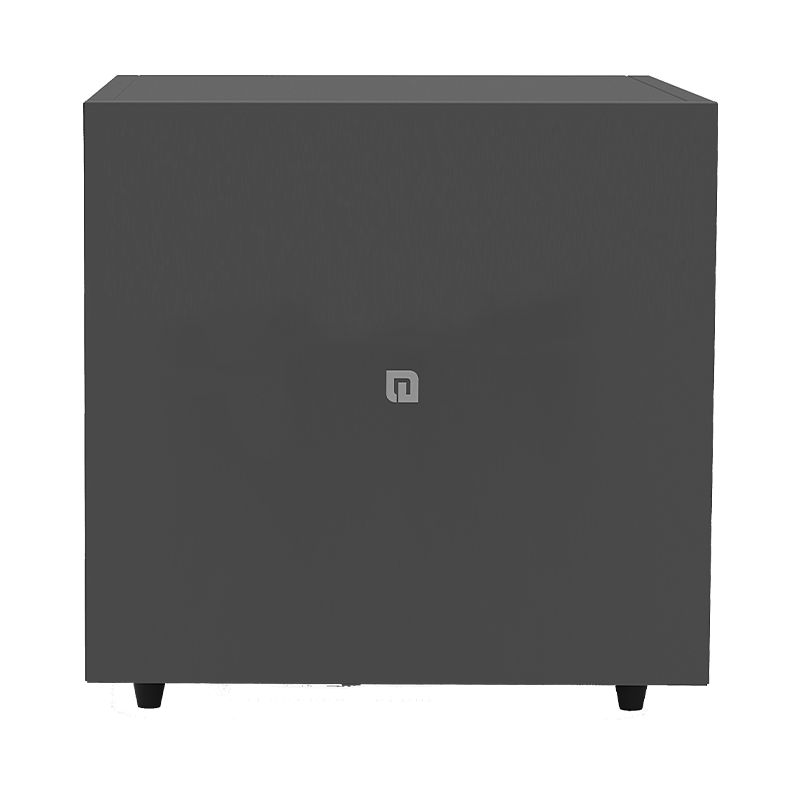
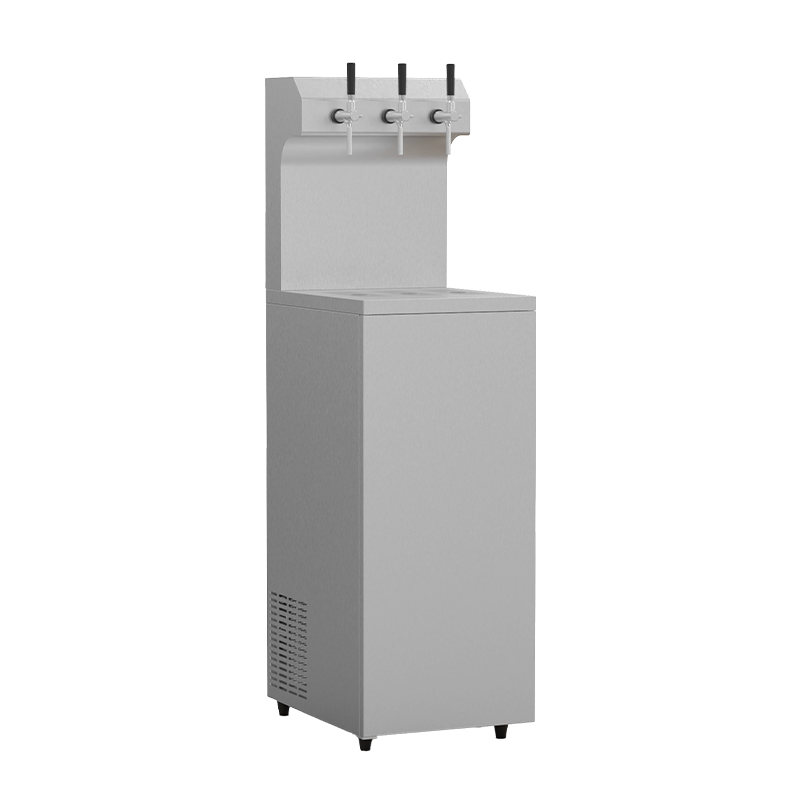
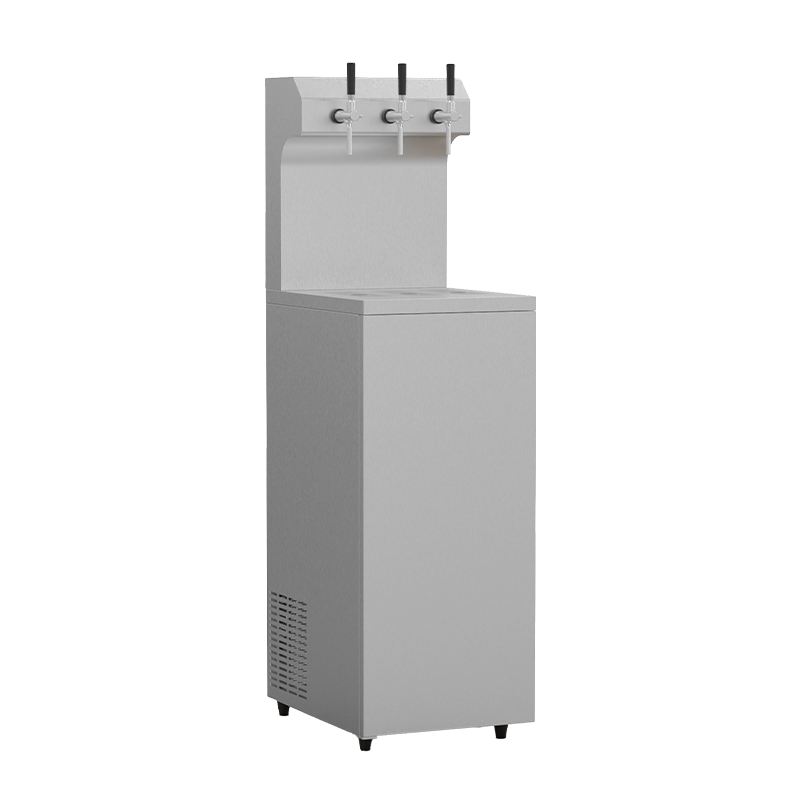
If you are outfitting an office pantry, a café bar or a restaurant service counter, the priorities shift: you need recovery time between pours, consistent carbonation at volume, and a unit that a busy team can operate without a manual. Undercounter systems hide the machinery below the worktop and leave only a tap or dispense tower visible, which keeps a service area looking tidy. Something like the BSD30A, a three-mode undercounter unit offering sparkling, chilled and ambient water, is the sort of specification that suits a bar that serves sparkling water by the glass rather than by the bottle.
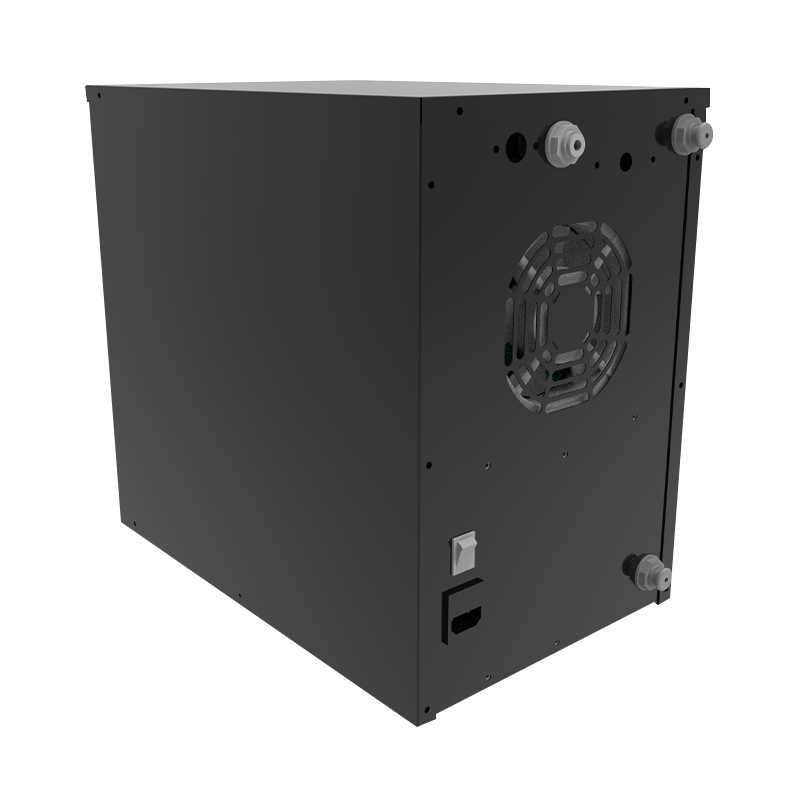 BSD30A Commercial Undercounter Sparkling Water DispenserCommercial undercounter BSD30A provides sparkling, cold and ambient water with user-friendly controls, saving floor space for cafés, bars or office pantries.View Product →
Practical Habits That Keep It Enjoyable
- Drink plain sparkling water with meals rather than sipping it continuously all day.
- Keep flavourings simple — a slice of cucumber, a sprig of mint, a little fresh ginger — and skip the sugary syrups.
- If you are sensitive to gas, start with a lighter carbonation level and smaller glasses.
- Rinse your mouth with still water after a citrus-spiked glass, and wait before brushing.
- Check the label on club soda and flavoured sparkling waters for sodium and added sugar.
- Chill the water before carbonating; cold water holds bubbles far better than warm water.
The Balanced Verdict
Sparkling water is not a wellness cure, and it is not a threat to your teeth and bones either. For most people it is simply water with a bit of theatre — hydrating, satisfying, and a far better default than a sugary drink. The genuine caveats are narrow and manageable: watch the flavoured and sweetened versions, be mindful of constant sipping, and listen to your own gut if the bubbles disagree with you. Beyond that, the pros comfortably outweigh the cons. Pour it cold, squeeze something fresh into it, and enjoy the fizz without the fear.

 ADDRESS
 CONTACT
 EMAIL
