




 Language
 English
 Español
HOT PRODUCTS
Content
- 1 Capacity first: how to size a commercial water machine
- 2 Choose the right type of commercial water machine for your use case
- 3 Water quality: filtration, RO, and scale control that protects equipment
- 4 Operating costs: what you’ll spend after installation
- 5 Installation checklist: avoid common failures and compliance surprises
- 6 Maintenance plan: keep taste consistent and reduce downtime
- 7 Buying checklist: what to compare before you commit
- 8 Conclusion: the simplest way to get the right commercial water machine
A commercial water machine should be sized to your peak-hour demand, matched to your incoming water quality, and supported by a simple maintenance plan. If you pick capacity first (gallons/day or ice/water output), then filtration and serviceability, you’ll avoid the two most common failures: running out during rushes and scaling that destroys heaters, valves, and membranes.
Use this guide to choose the right type (bottleless dispenser, RO system, undercounter chiller, or hot/cold unit), calculate capacity from real usage, compare operating costs, and set an upkeep schedule that keeps water tasting consistent and equipment downtime low.
Capacity first: how to size a commercial water machine
Sizing is about peak consumption, not average. A machine that meets “daily total” can still fail at lunch rush if its chilled reservoir or recovery rate is too small.
Quick sizing method (practical and conservative)
Estimate peak-hour servings, multiply by serving size, then add a buffer. For many workplaces and customer-facing sites, a safe buffer is +25% to +40% to cover hot days, events, and refills.
- Step 1: Peak-hour users = people present in the busiest hour × expected participation (often 40%–70%).
- Step 2: Volume per user in that hour = typical draw (commonly 8–16 oz).
- Step 3: Peak-hour volume = users × volume, then add 25%–40%.
- Step 4: Choose a machine whose chilled reservoir + recovery rate comfortably covers that peak-hour volume.
| Site type | Peak-hour users | Serving size | Peak-hour volume (buffered) | What to look for |
|---|---|---|---|---|
| Small office (25 people) | 10 | 12 oz | 156 oz (1.2 gal) | Moderate reservoir + steady recovery |
| Clinic waiting area | 20 | 10 oz | 260 oz (2.0 gal) | Fast draw + easy sanitation surfaces |
| Busy café water station | 60 | 12 oz | 936 oz (7.3 gal) | High recovery, larger reservoir, durable taps |
| Warehouse hydration point | 40 | 16 oz | 832 oz (6.5 gal) | Rugged build + rapid refill for bottles |
Rule of thumb: if your peak hour is unpredictable (events, public traffic), prioritize recovery rate and serviceability over “nice-to-have” features.
Choose the right type of commercial water machine for your use case
Different designs solve different problems: taste improvement, bottle refills, hot beverages, or high-volume chilled water. Start with the job it must do during your busiest hour.
Common machine categories (and when each wins)
- Bottleless plumbed-in dispensers: best for steady office/clinic use; avoids deliveries and storage.
- Undercounter chiller + faucet: best for cafés and breakrooms that want a clean countertop and higher recovery.
- RO (reverse osmosis) systems: best when taste, TDS, or specific contaminants are the priority; often paired with a storage tank and post-filter.
- Hot/cold units: best where tea, instant foods, or frequent hot-water draw matters; needs scale protection in hard-water areas.
- Water + ice dispensers: best for hospitality and foodservice; plan for cleaning cadence and drain requirements.
| Best for | Recommended type | Key spec to compare | Typical pitfall |
|---|---|---|---|
| High bottle-refill traffic | Bottleless dispenser with fast fill | Recovery rate | Small reservoir causes warm water mid-rush |
| Taste consistency | RO + storage + post-carbon | GPD + tank size | Undersized tank leads to slow refill |
| Minimal countertop clutter | Undercounter chiller | Chilled capacity | Poor ventilation reduces cooling performance |
| Tea/instant meals | Hot/cold system | Heater recovery | Scale buildup increases downtime |
Water quality: filtration, RO, and scale control that protects equipment
A commercial water machine is only as reliable as its water treatment. Poor incoming water quality can cause taste complaints, low flow, and premature failures.
Practical treatment stack (common setups)
- Sediment prefilter: protects valves and membranes from grit and rust.
- Carbon filtration: reduces chlorine taste/odor and helps beverage flavor.
- RO (if needed): reduces dissolved solids and can improve taste consistency when source water varies.
- Scale inhibition or softening (hard water): reduces mineral buildup in heaters, chillers, and solenoids.
Scale is the silent killer: hot-water and ice-capable machines are especially sensitive. If your site has hard water, a scale-control plan can be the difference between routine filter swaps and major service calls.
Operating costs: what you’ll spend after installation
Total cost of ownership comes from consumables, service time, and downtime risk. Upfront price matters, but filter schedules and scale management often decide the long-term budget.
Cost buckets to budget for
- Filters and cartridges: replaced on time or based on capacity (gallons) to maintain taste and flow.
- Sanitation supplies: especially for machines with reservoirs, ice pathways, or multiple nozzles.
- Service labor: easier access panels and common parts reduce labor time.
- Energy use: chillers and hot tanks cycle; usage spikes in high-traffic locations.
Budget insight: If two machines are close in price, pick the one with simpler filter changes and clearer diagnostics. In many businesses, avoiding one emergency service call can offset the difference.
Installation checklist: avoid common failures and compliance surprises
Most problems blamed on “a bad commercial water machine” are actually installation issues: poor water pressure, no drainage, insufficient ventilation, or wrong fittings.
Pre-install checks that prevent rework
- Water pressure and flow: confirm your line can support peak draw without “choking” the unit.
- Drain access: required for many RO setups, ice/water dispensers, and certain sanitation cycles.
- Ventilation clearance: chillers under counters need airflow; cramped cabinets reduce cooling.
- Electrical capacity: hot + cold systems can need dedicated circuits depending on load.
- Placement and traffic: bottle-fill stations should have queue space and spill-resistant flooring nearby.
Maintenance plan: keep taste consistent and reduce downtime
A simple schedule prevents most performance issues. The goal is stable flow, clean contact surfaces, and protection against scale.
Practical cadence most facilities can follow
- Daily/weekly: wipe taps, nozzle area, and drip tray; check for leaks and unusual noise.
- Monthly: sanitize contact points; inspect filters for pressure drop indicators (if available).
- Quarterly (common): replace carbon/sediment filters as required by usage and taste.
- Semiannual/annual: deep sanitation of internal pathways; descale hot systems if your water conditions warrant it.
Best practice: track filter changes by date and volume (if metered). The most persuasive “upgrade signal” is repeat taste complaints or declining flow after filter swaps—both point to mis-sizing or water-quality mismatch.
Buying checklist: what to compare before you commit
When two commercial water machines claim similar output, the differentiators are reliability and service friction. Compare what affects uptime.
- Peak-hour recovery: not just tank size—how fast it returns to cold/hot setpoint.
- Filter availability and cost: common replacements lower long-term cost and avoid delays.
- Water-quality compatibility: confirm the filtration/RO path matches your incoming water conditions.
- Sanitation design: smooth surfaces, removable parts, and accessible drip trays reduce labor.
- Service access: panels and quick-connect fittings shorten downtime when parts need replacement.
- Warranty and support: understand what is covered and what maintenance is required to keep coverage valid.
Decision shortcut: If your location has hard water or heavy use, prioritize scale control + recovery rate. Those two factors drive most real-world satisfaction.
Conclusion: the simplest way to get the right commercial water machine
Pick the machine that meets your peak-hour volume with a buffer, then match filtration to your water quality, then choose the design that is easiest to service and sanitize. This sequence prevents shortages, taste issues, and scale-related breakdowns—the three problems that cause most replacements.
If you want a fast internal check before buying: confirm the unit’s recovery rate and filter plan in writing, and ensure installation requirements (drain, ventilation, power) match your site. That’s the practical path to dependable water, predictable costs, and low downtime.

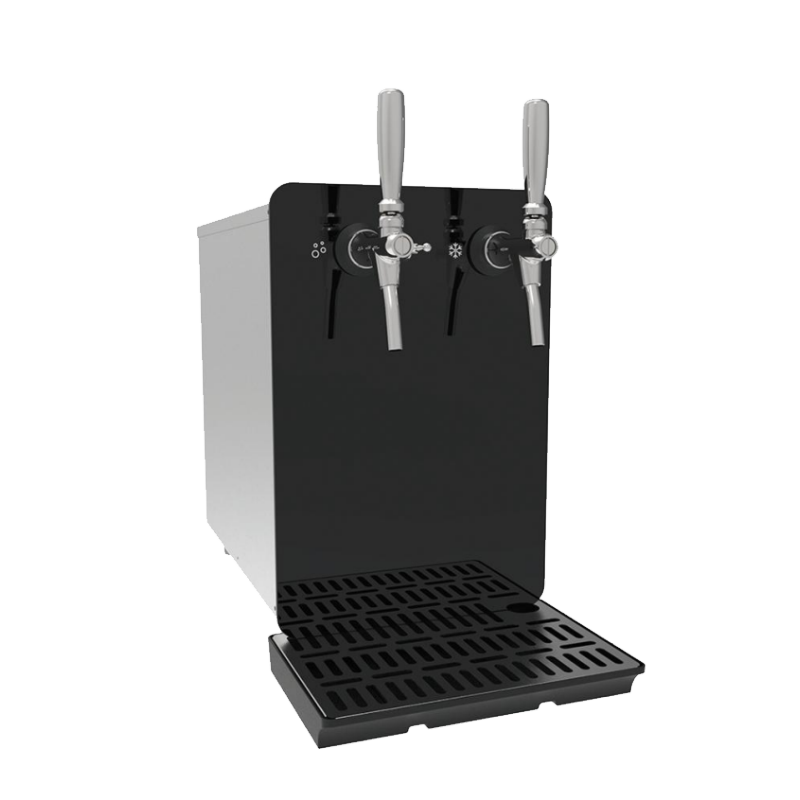
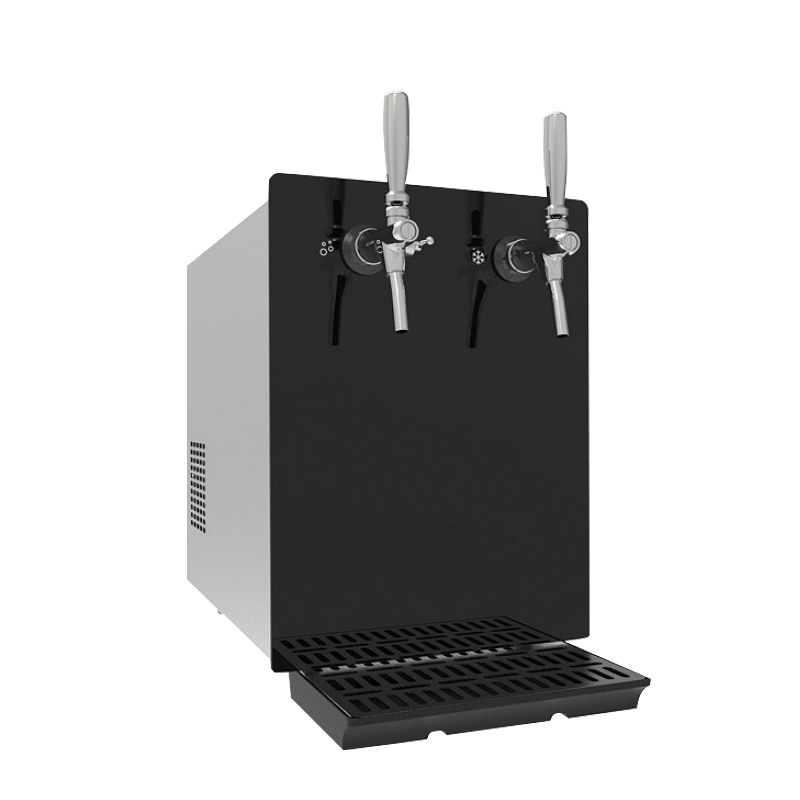
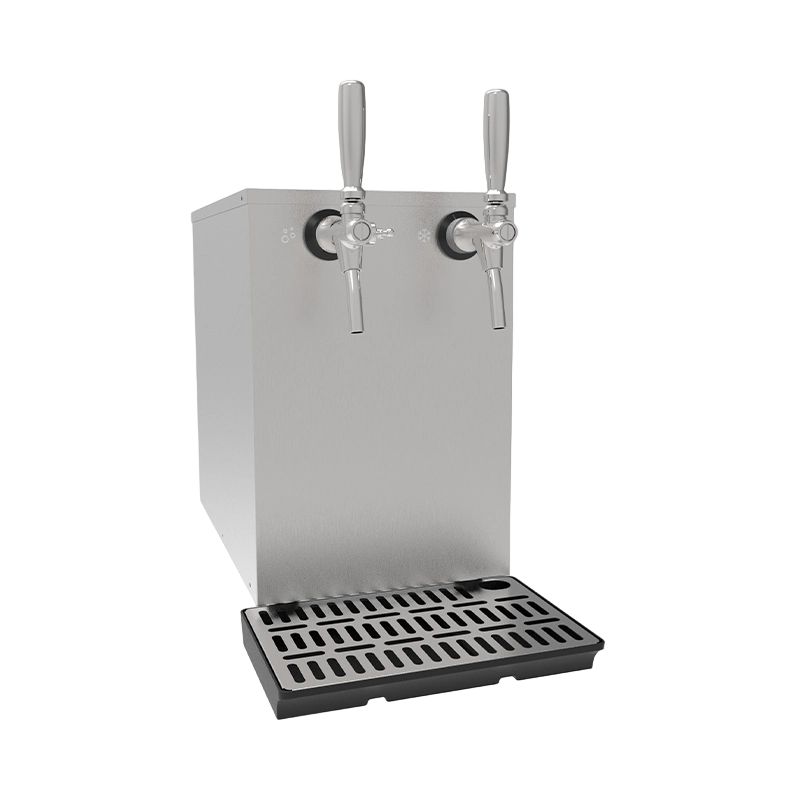
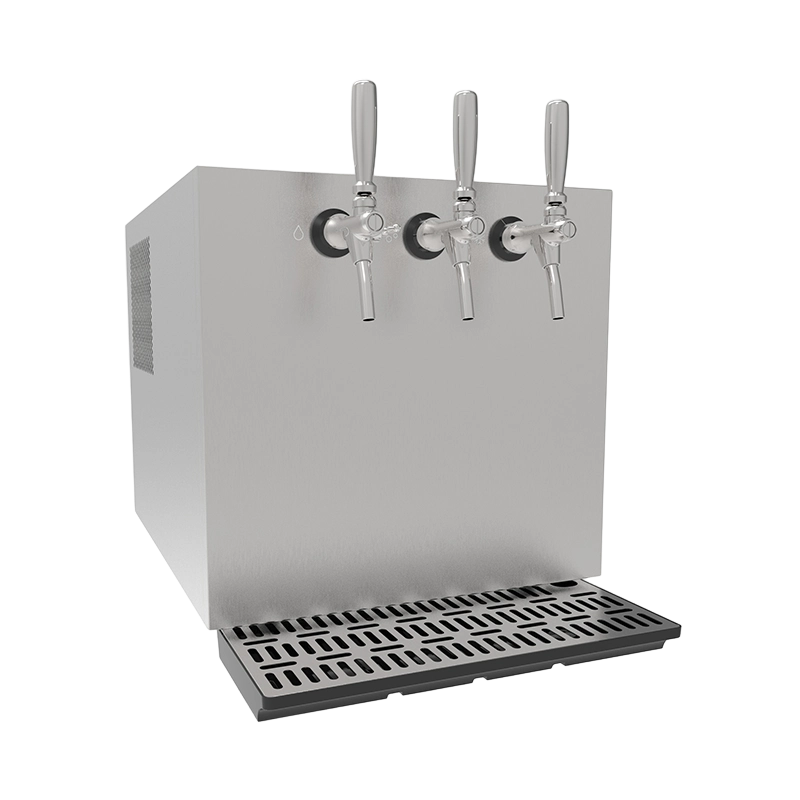
-1.png "3-Mode Undercounter Sparkling Water Dispenser")
 ADDRESS
 CONTACT
 EMAIL
EMAIL