




 Language
 English
 Español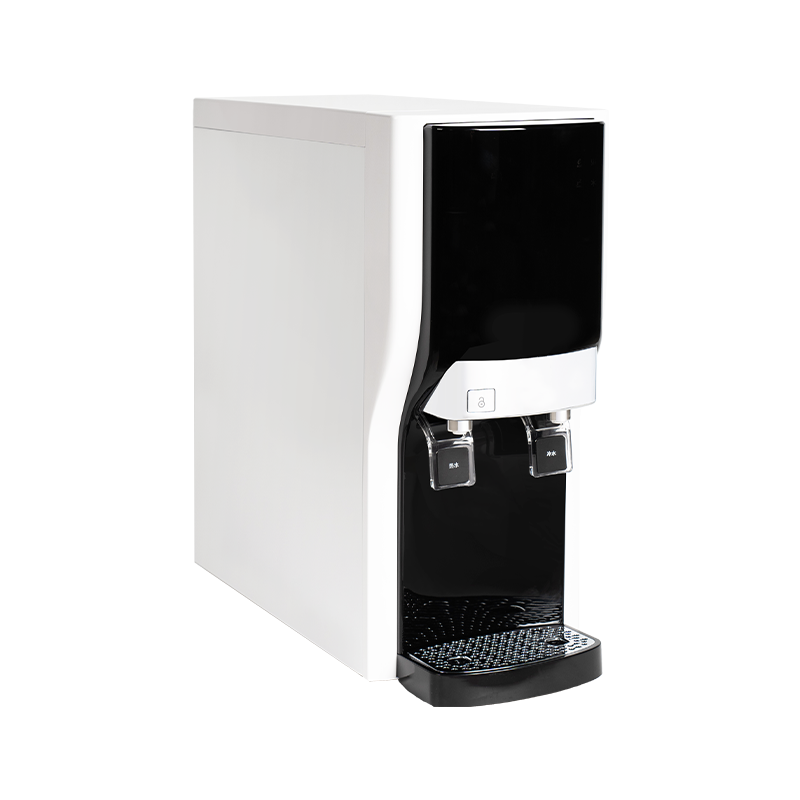
HOT PRODUCTS
Content
- 1 What “Quick and Hot” Should Mean in Real Operation
- 2 Specifications That Determine Speed, Taste, and Reliability
- 3 Safety and Compliance: What Commercial Buyers Should Require
- 4 Total Cost of Ownership: Time, Energy, and Water Waste
- 5 Installation and Maintenance Checklist for Smooth Rollouts
- 6 How We Support Buyers Sourcing Instant Hot Solutions at Scale
In a busy pantry, café back bar, or office tea point, hot water is often the hidden bottleneck. A quick and hot instant hot water dispenser removes that wait by delivering near-boiling water on demand—without the repeated boil cycles, crowding, and inconsistency that come with kettles and traditional tank-style heaters.
As a manufacturer and supplier of water dispensing equipment for home, office, and HoReCa use, I’ll walk you through what to specify, what to test, and how to avoid the common failures we see during bulk purchasing and project deployment.
What “Quick and Hot” Should Mean in Real Operation
“Instant” is not a marketing word in our factory discussions—it is a measurable delivery target. For procurement, define performance in three dimensions: time-to-cup, temperature stability, and recovery.
Time-to-cup: how fast the user actually gets usable hot water
A practical benchmark we recommend is dispensing a 250 ml cup in under 5 seconds from standby, with no “cold slug” at the start. If your application is tea service or instant meals, the first 1–2 seconds matter as much as the average flow.
Temperature stability: avoid weak tea and inconsistent cooking results
You want the setpoint to remain stable through a typical draw, not just at the first moment. For many clients, a stability window of ±2°C to ±3°C during a normal cup draw is a practical requirement, especially when users switch between coffee, tea, and food prep.
Recovery: how it behaves during back-to-back demand
In offices and hospitality, the key is not one cup—it’s the morning rush. Define a peak scenario (for example, 10–20 cups in a short window) and require the supplier to confirm the unit can maintain temperature without throttling to lukewarm output.
Specifications That Determine Speed, Taste, and Reliability
When buyers tell me “we need instant hot,” I translate that into a short specification set that predicts field performance. These are the items that most often separate stable deployments from repeated service calls.
- Heating method: tankless heating for on-demand draws, or micro-tank systems where limited buffering is needed for peak bursts.
- Power and electrical compatibility: match heater power to your region’s voltage and circuit limits to avoid slow output or nuisance trips.
- Flow rate at temperature: always request flow rate measured at the target temperature (not just “max flow” at cold water).
- Water pathway materials: specify food-contact suitable materials (commonly stainless steel and certified polymers) to reduce taste transfer and improve longevity.
- Anti-scale strategy: scale is the #1 enemy of hot performance; design should support filtration, descaling access, and stable sensing under mineral load.
A simple energy reality-check buyers can use
You can sanity-check any “instant hot” concept with basic physics. Heating one 250 ml cup from 20°C to 95°C requires about:
0.25 kg × 4.186 kJ/kg·°C × 75°C ≈ 78.5 kJ ≈ 21.8 Wh
That means the per-cup energy is modest; the real cost drivers are standby losses (for tank systems), poor insulation, and repeated partial draws caused by inconsistent temperature delivery.
| Scenario | Typical hot draws/day | What to prioritize | Service focus |
|---|---|---|---|
| Home kitchen | 10–30 | Quiet operation, compact size, safe dispensing | Filter changes, simple descaling access |
| Office pantry | 50–200 | Fast recovery, stable temperature, high uptime | Modular components, fast swap service |
| Café / HoReCa point | 200–600 | Peak handling, thermal consistency, durable valve set | Scale prevention, planned maintenance schedule |
Safety and Compliance: What Commercial Buyers Should Require
Instant hot water is inherently a safety-critical function. From a supplier side, we treat safety as a layered system: mechanical safeguards, electronics protection, and user-interface controls that reduce misuse.
Core protections to include in your RFQ
- Child-lock or two-step dispensing for near-boiling output.
- Over-temperature and dry-burn protection (critical for heater longevity).
- Anti-splash outlet design and controlled flow to reduce scald incidents.
- Leak detection strategy and safe shutoff behavior (especially for undercounter installs).
Certification planning for different markets
If you distribute across regions, align early on electrical safety, EMC, and drinking-water contact compliance. This avoids last-minute redesigns (cord sets, grounding strategy, materials, labeling) that delay shipments. If you want to see how we document compliance work in practice, you can reference our certificate page.
Total Cost of Ownership: Time, Energy, and Water Waste
For buyers, the goal is not only “instant hot,” but predictable operating cost and minimal disruption. The best business case usually combines labor/time savings with lower waste from repeated boiling.
A practical, transparent example you can copy into your own business case
Assume an office makes 150 hot drinks per day, each 250 ml, heated from 20°C to 95°C. Using the 21.8 Wh calculation per cup:
Daily heat energy ≈ 150 × 21.8 Wh = 3.27 kWh/day
At an electricity rate of $0.20/kWh, that is about $0.65/day for the heating energy itself. What usually costs more is inefficient behavior (boiling extra water “just in case”), standby heat loss (for some tank systems), and downtime when scale is not managed.
Where instant systems win (and where they can lose)
- They reduce “over-boil” waste by heating only what is dispensed.
- They improve user throughput during peak periods (no queue around one kettle).
- They can lose efficiency if scaling forces the heater to run longer or if the installation traps heat and limits airflow.
Installation and Maintenance Checklist for Smooth Rollouts
Most “instant hot” problems we troubleshoot are not factory defects—they are installation mismatches (water quality, pressure, airflow, or electrical). Before you place a bulk order, validate these conditions with your site team.
Pre-install checklist (project and distribution buyers)
- Confirm available voltage, breaker capacity, and grounding at the installation point.
- Measure incoming water pressure and ensure stable supply during peak building demand.
- Assess water hardness and choose filtration/softening accordingly to control scale risk.
- Ensure ventilation clearance for undercounter units and avoid sealed cabinets that trap heat.
- Plan service access: filters, valves, and heater modules should be reachable without removing the entire unit.
Maintenance planning that protects “instant” performance
To keep hot output truly instant, maintenance must be proactive. A simple schedule—filter replacement based on usage and planned descaling in hard-water areas—prevents the gradual drift that users experience as “it’s not hot anymore.” In procurement terms, the best outcome is predictable maintenance rather than emergency repairs.
How We Support Buyers Sourcing Instant Hot Solutions at Scale
When you buy a quick and hot instant hot water dispenser for distribution or a multi-site project, the product is only part of the deliverable. What you should expect from a serious supplier is stable manufacturing, consistent QA, and documentation that makes approvals and after-sales service easier.
What we manufacture and how that helps your portfolio
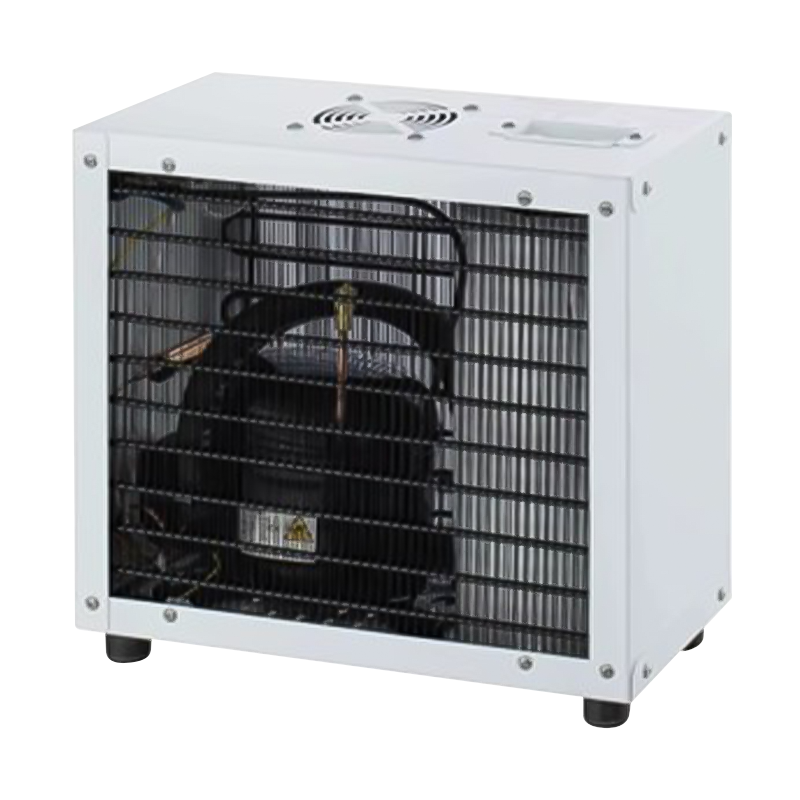
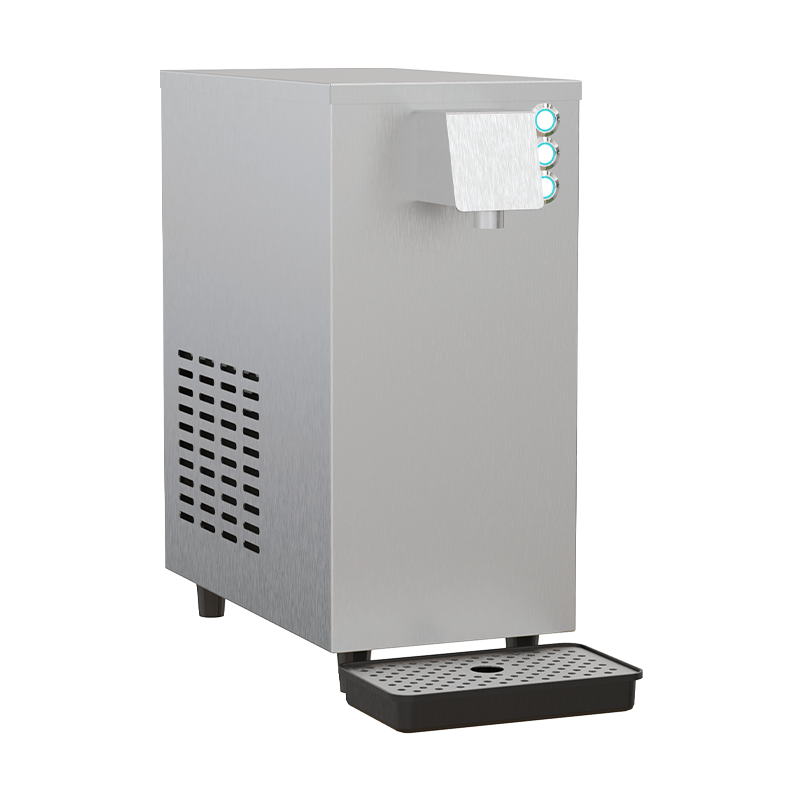
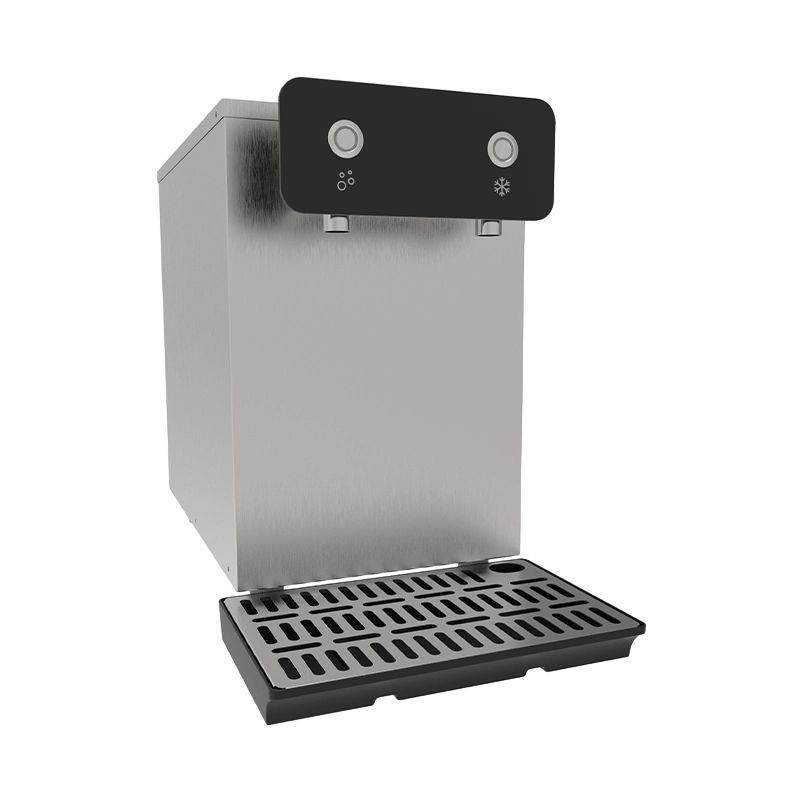
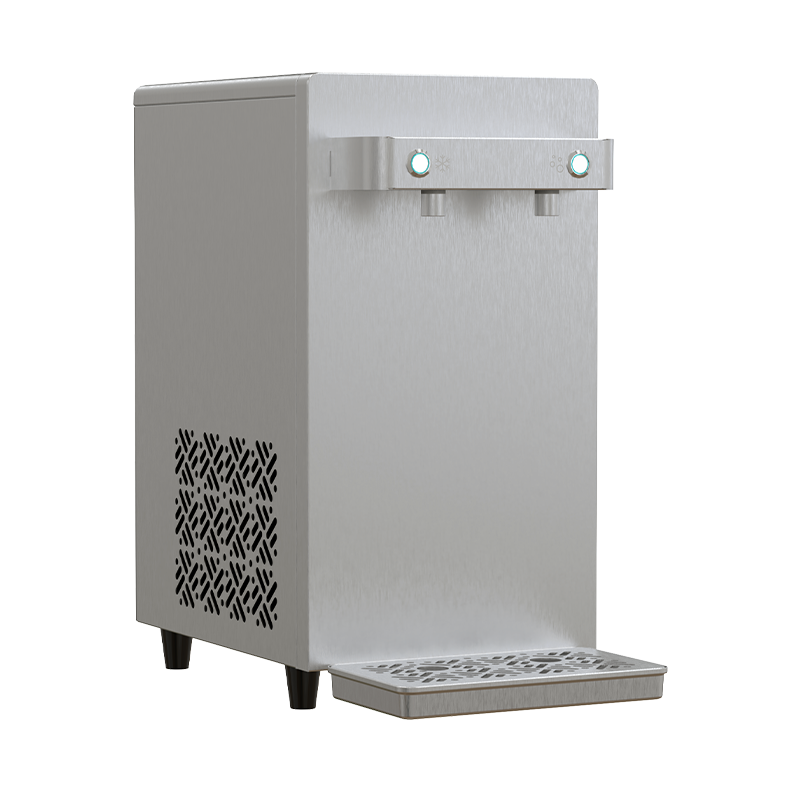
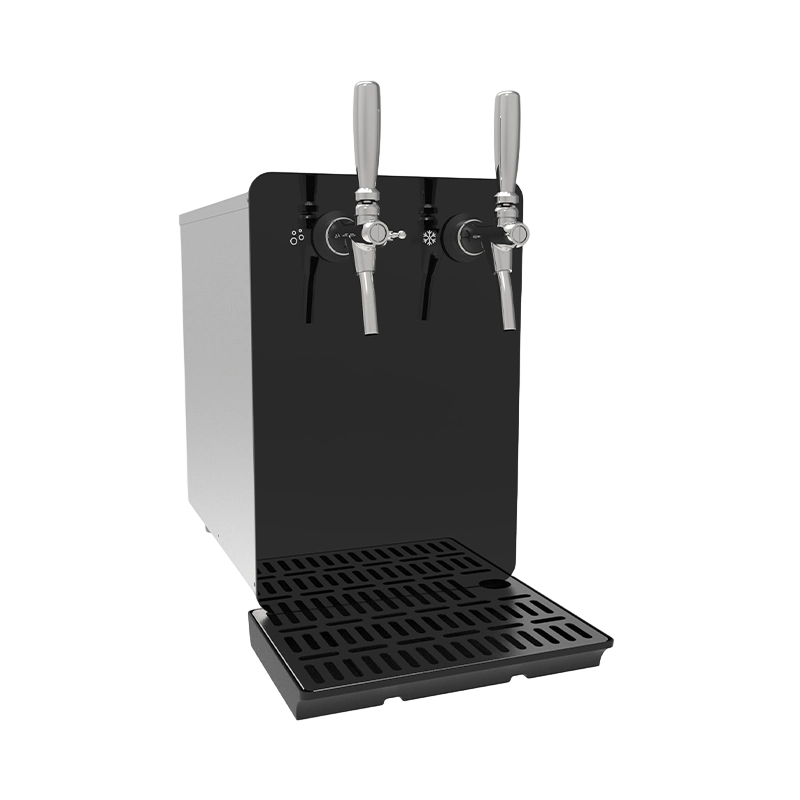
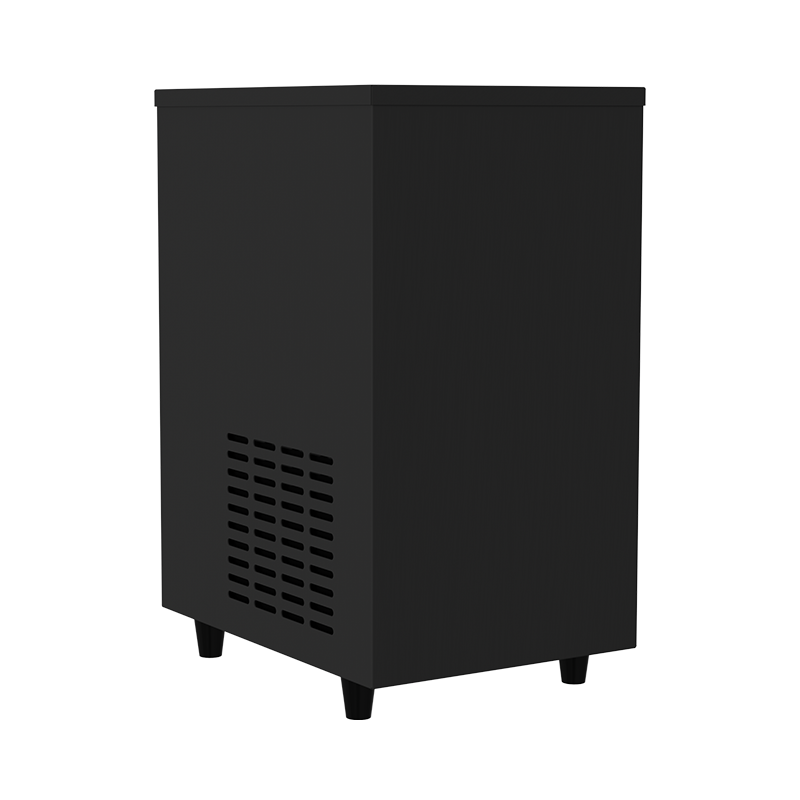
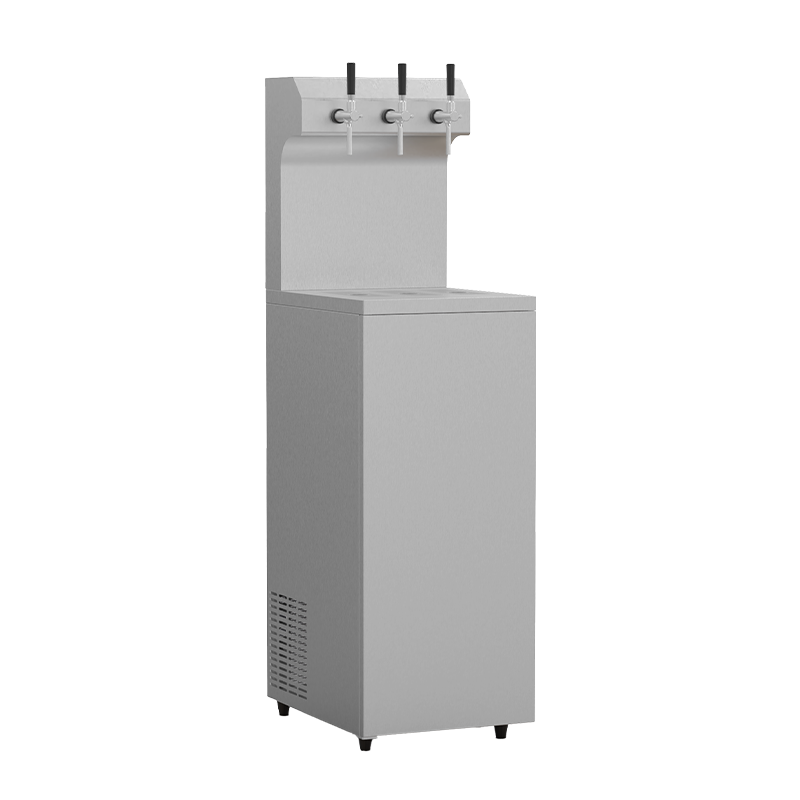
Our standard production focuses on water dispensing platforms for home, office, and HoReCa environments, including countertop and undercounter systems, dispensing towers, and tap configurations. If you are building a complete hydration point (for example, pairing chilled or sparkling dispensing with hot service), you can review the platform styles on our water dispenser and tap product page.
OEM/ODM elements that buyers commonly request
- Front-panel language, UI logic (temperature presets), and labeling for your market.
- Tap geometry and dispensing ergonomics to match cabinetry and splash control needs.
- Packaging, spare-parts kits, and service manuals aligned to your after-sales model.
Next step: get a quotation that matches your actual use case
If you share your target daily draws, required temperature setpoints, installation style (countertop or undercounter), and destination market, we can align a configuration and documentation set that fits your deployment plan. The most efficient way to start is through our contact page.

 ADDRESS
 CONTACT
 EMAIL
EMAIL