




 Language
 English
 Español
HOT PRODUCTS
Content
- 1 What soda water actually is
- 2 How soda water differs from sparkling water, club soda, seltzer, and tonic
- 3 How carbonation works, and why cold water holds fizz better
- 4 Taste, texture, and the details that separate a good glass from a flat one
- 5 Is soda water a healthy choice?
- 6 Making soda water at home
- 7 When countertop space is tight
- 8 Serving soda water in cafes, restaurants, and workplaces
At its simplest, soda water is water that has been charged with carbon dioxide under pressure. The gas dissolves into the water, creates the familiar fizz, and leaves a light, slightly tangy impression on the tongue. In our day-to-day work with sparkling water dispensers, we meet this question often: people know they enjoy soda water, but they are less sure how it differs from sparkling water, club soda, seltzer, or tonic. The answer is more practical than complicated, and it helps to look at both what goes into the water and how it is served.
Soda water is not the same as a sweet soft drink. A cola or lemon-lime soda contains sugar or sweeteners, flavorings, colors, and other ingredients. Soda water, in its plain form, is about water and carbonation, sometimes with a small amount of added mineral salts. That simple difference matters when you are choosing a drink for everyday meals, cocktails, or a busy cafe menu.
What soda water actually is
Carbon dioxide does not simply sit in water like sand in a glass. Under pressure, it dissolves, and a small portion reacts with water to form carbonic acid. This weak acid gives soda water its faint sharpness. The bubbles themselves also affect aroma and texture, which is why a freshly poured glass of soda water can feel more lively than still water even when both are served at the same temperature.
The word “soda water” is used differently from place to place. In many everyday conversations, it means carbonated water with a little added mineral content, close to what North Americans often call club soda. In other contexts, people use it as a general term for any unflavored carbonated water. For a buyer, server, or home user, the useful question is not only “Is it carbonated?” but also “What else is in it, and how strong is the carbonation?”
How soda water differs from sparkling water, club soda, seltzer, and tonic
These drinks overlap, and labels can vary by market. Still, the general differences are helpful when you are reading a menu, writing product copy, or choosing a dispenser for a kitchen or bar.
| Type | What is usually added | Taste and texture | Common use |
|---|---|---|---|
| Soda water or club soda | Carbon dioxide, often small amounts of mineral salts | Lightly salty or tangy, lively fizz | Drinking, cocktails, mocktails |
| Sparkling water | Carbon dioxide only, or naturally occurring bubbles | Clean, crisp, neutral | Meals, daily hydration |
| Seltzer | Carbon dioxide only | Very neutral, sharp carbonation | Mixers, low-sugar drinks |
| Tonic water | Carbon dioxide, quinine, and usually sugar | Bitter and sweet, distinctly aromatic | Mixed drinks, aperitifs |
If you are buying for a restaurant or office, this distinction affects more than the label. Club soda’s mineral note can be pleasant on its own, while plain sparkling water may work better as a neutral base. Tonic is a different product altogether because of its quinine and sugar content.
How carbonation works, and why cold water holds fizz better
Carbon dioxide dissolves more readily in cold water than in warm water. That is why a warm bottle of sparkling water can seem to lose its sparkle quickly once opened, while a chilled glass stays lively for longer. Pressure keeps the gas in solution before serving; once the pressure drops and the water meets air, the carbon dioxide begins to escape.
Bubbles also need somewhere to form. Tiny scratches, dust, ice, or the side of a glass can act as nucleation points, which is why you sometimes see a steady stream of bubbles rising from one spot. If you want to understand the science more deeply, this explanation of how carbon dioxide turns into the bubbles we taste is a useful place to start.
In a dispenser, stable carbonation depends on steady water pressure, reliable chilling, and a clean carbonation system. That is one reason installation and maintenance matter. A machine that is plumbed poorly or left with a warm water supply will struggle to deliver the same glass twice, no matter how good the design looks on paper.
Taste, texture, and the details that separate a good glass from a flat one
Soda water should taste clean first. After that, you may notice a faint mineral edge, a soft acidity, or a sharper bite depending on the carbonation level. Temperature shapes this experience strongly. Very cold soda water tends to feel tighter and more refreshing, while water served too warm can taste dull and lose its bubble structure quickly.
The pour matters, too. A rough pour into a warm glass releases gas fast; a gentle pour into a chilled glass preserves more fizz. In bars and restaurants, soda water is often used as a mixer because it lifts aromas and adds texture without sweetness. In a simple whiskey highball, a spritz, or a zero-proof aperitif, the quality of the soda water is easy to notice because there are so few other ingredients to hide behind.
For home drinkers, the practical lesson is simple: start with good-tasting water, keep it cold, and choose a carbonation level that suits how you drink it. Some people want a gentle sparkle with meals; others want a brisk, highly carbonated pour for cocktails.
Is soda water a healthy choice?
Plain soda water is generally a sensible alternative to sugary soft drinks. It contains no sugar or calories unless something has been added, and it can help people drink more water when they find still water boring. The carbonation itself is not a sign of added sugar or artificial flavor.
There are still a few details worth knowing:
- Carbonated water is mildly acidic because of carbonic acid, but plain soda water is usually less acidic than many sugary sodas and juices.
- Club soda and some mineral waters contain added sodium. If you are watching salt intake, check the label or the dispenser specification.
- Carbonation can cause bloating or discomfort for some people, especially when drunk quickly or in large amounts.
- Flavored soda water may contain sweeteners, acids, or flavorings, so it is not the same as plain carbonated water.
Soda water is not a treatment for any health condition, and people with specific dietary restrictions should follow the advice of their clinician. For most people, though, plain soda water fits comfortably into a normal hydration routine.
Making soda water at home
Home soda makers usually work by injecting carbon dioxide into a bottle of chilled water. Countertop sparkling water dispensers take a different approach: they are plumbed or filled, filter and chill the water, and carbonate it at the point of use. That can be more convenient for households that drink sparkling water every day, because there are no bottles to shake and no separate soda maker sitting on the counter.
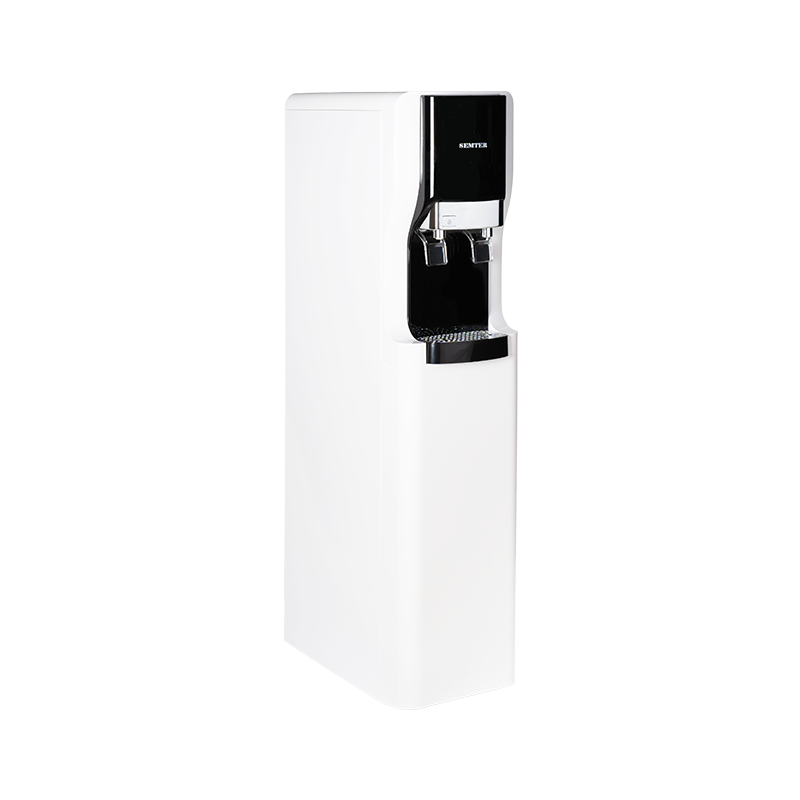
A compact countertop model can sit beside the coffee machine and serve still, chilled, and sparkling water without much fuss. One example is the
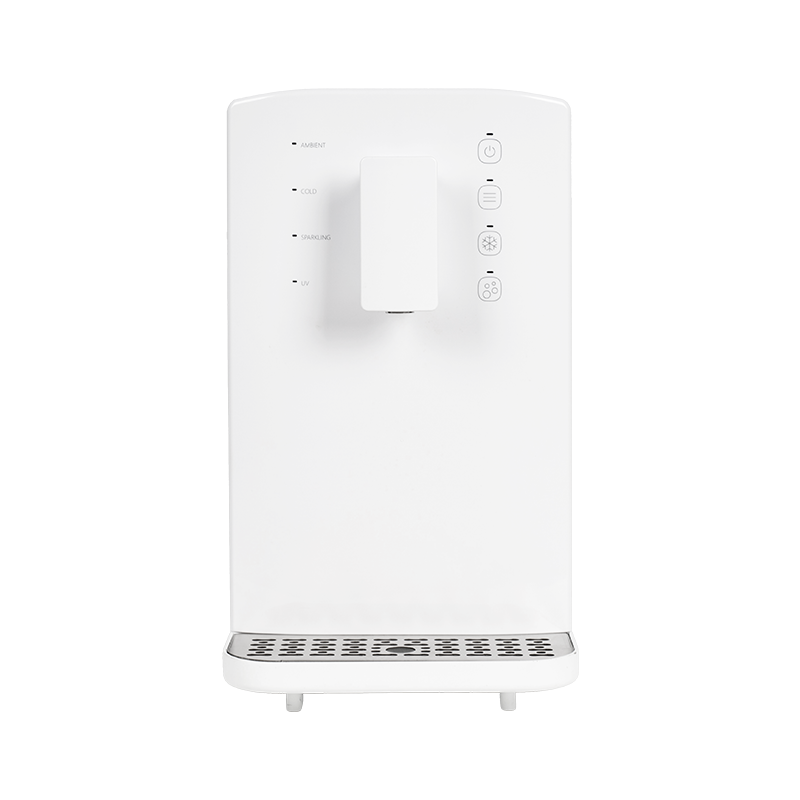 FST06A Compact Countertop Sparkling Water DispenserA narrow Korean-design countertop option with sparkling, cold, and ambient or hot water choices, suited to everyday kitchen or office hydration.View Product →
FST06A home countertop sparkling water dispenser, which is designed around a clean Korean-inspired look for everyday kitchen use. For families, the main decision is usually space: a countertop unit is easy to reach, while an under-sink system keeps the worktop clear.
When countertop space is tight
Under-sink systems hide the main equipment below the cabinet and deliver sparkling water through a dedicated tap. They suit kitchens where the counter is already busy, and they can also work well in office kitchenettes or small break areas. Capacity becomes important here. A large household or a workplace may fill carafes and bottles throughout the day, so a model with a higher chilling and carbonating capacity is often more comfortable than a small unit that has to recover after every few glasses.
The
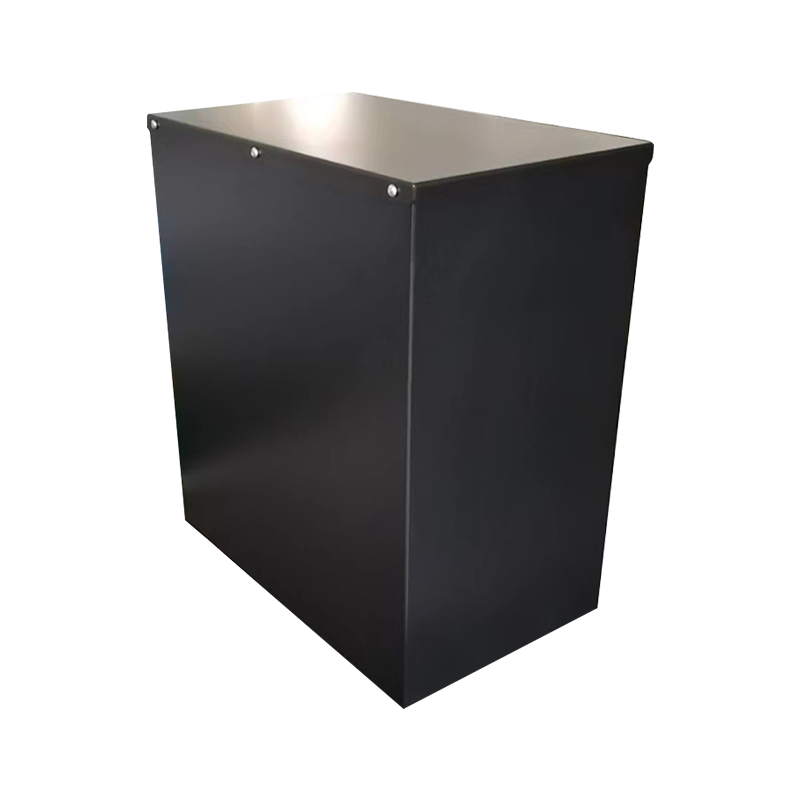 FCD12A High-Capacity Undercounter Sparkling Water DispenserA hidden undercounter model for larger households, offering sparkling, cold, or ambient water and more reserve for busy mornings and meals.View Product →
FCD12A high-capacity home undercounter sparkling water dispenser is one option in this category for homes that want a hidden installation with more reserve for busy mornings and meals.
Serving soda water in cafes, restaurants, and workplaces
In hospitality, soda water is not a minor detail. It supports aperitifs, zero-proof menus, coffee service, and simple table water. A busy bar needs consistent carbonation during a rush, and a restaurant may want sparkling water available without storing cases of bottles. Commercial countertop dispensers are often chosen because they keep the service point close to the bartender or waitstaff while still delivering a steady pour.
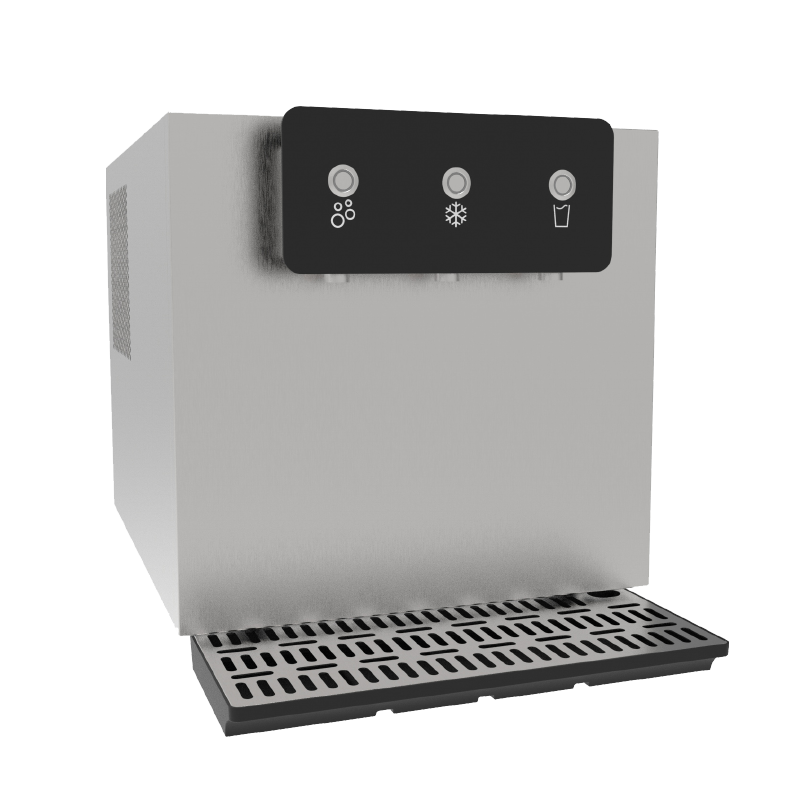
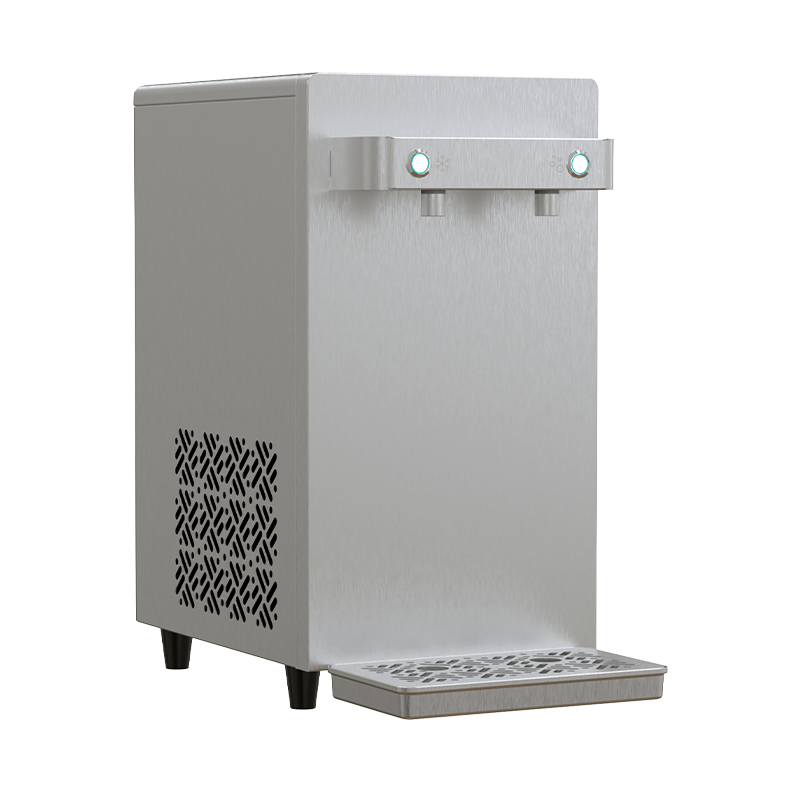
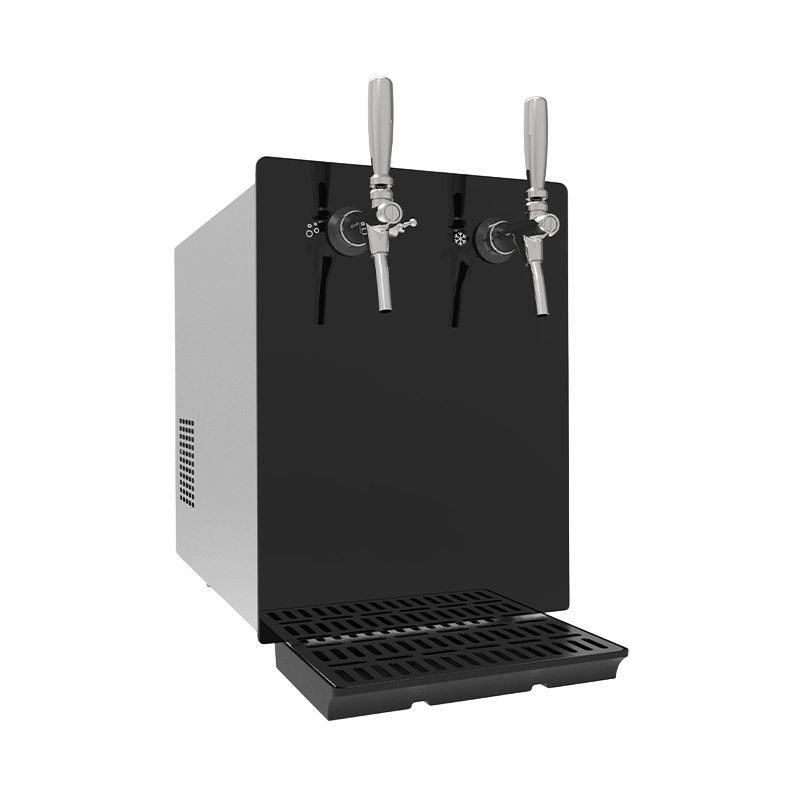
For a compact commercial setup, the
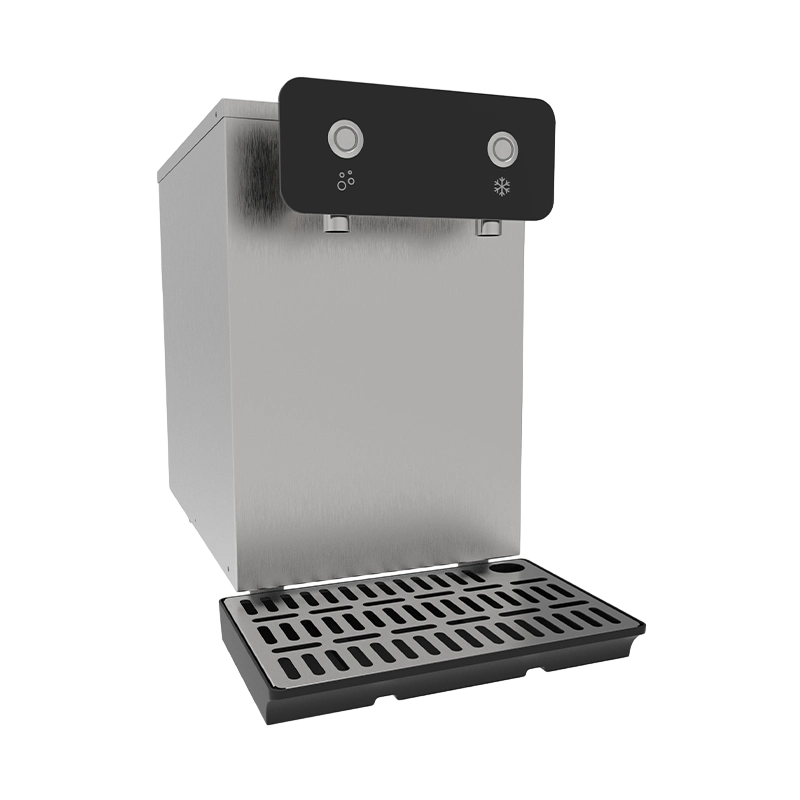 BST30B Two-Button Countertop Commercial Sparkling Water DispenserA HoReCa countertop dispenser with customizable pour volumes, offering instant sparkling or cold and ambient water for compact commercial setups.View Product →
BST30B two-button countertop sparkling water dispenser offers instant sparkling water with a custom pour function for HoReCa use. The right choice still depends on peak covers, glass size, available water pressure, and how much counter space the venue can spare.
In offices, the same logic applies on a smaller scale. A reliable sparkling water point can make a break room feel more considered, but it should be matched to daily headcount and cleaning routines. Simple maintenance, accessible filters, and clear operating instructions matter as much as the number of buttons on the front.
Soda water is a simple drink with a few useful distinctions behind it. It is water plus carbon dioxide, sometimes with a light mineral touch, and it can be served plainly, used as a mixer, or dispensed on demand at home or in a commercial setting. Once you know whether you want a neutral sparkling water, a mineral-style club soda, or a system that fits a busy counter, the choice becomes much easier. The best glass is the one that tastes clean, stays lively, and fits the way you actually drink.

 ADDRESS
 CONTACT
 EMAIL
