




 Language
 English
 Español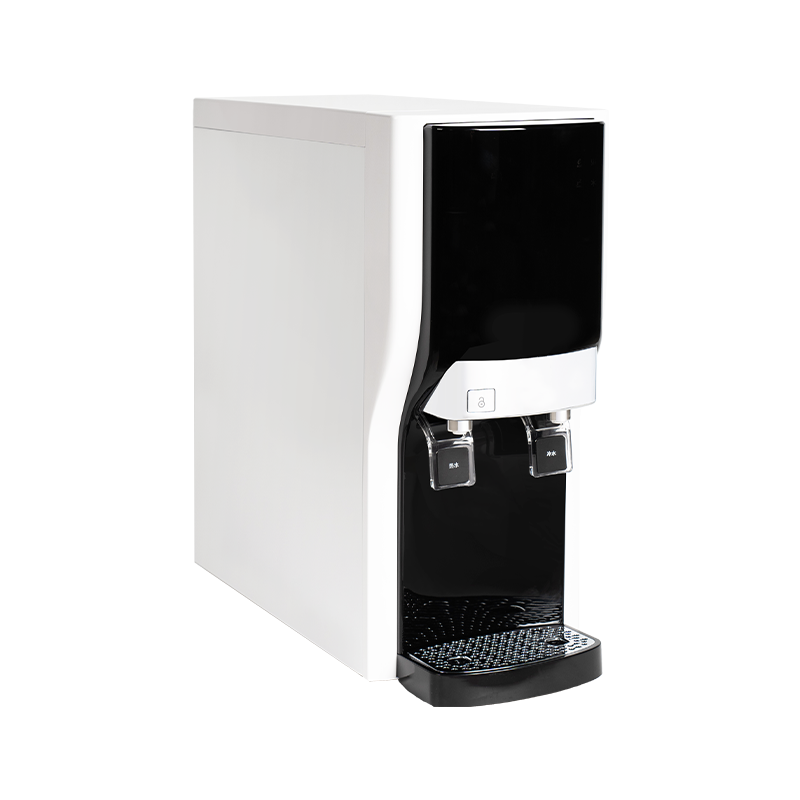
HOT PRODUCTS
Content
- 1 What Are Microplastics and Why Should You Care?
- 2 How Do Water Filters Remove Microplastics? A Technology Breakdown
- 3 The Best Water Filters for Microplastics: A Side-by-Side Comparison
- 4 Beyond the Claim: Why Certification Matters for Microplastic Removal
- 5 The True Cost of Clean Water: A Long-Term Cost Analysis
- 6 Choosing the Right Filter for Your Home, Office, or Business
What Are Microplastics and Why Should You Care?
Scientists now estimate the average person ingests roughly 5 grams of microplastics every week—the weight of a standard credit card. That number alone has turned water filtration from a convenience into a health precaution. Research shows 94% of tap water samples in the United States contain microplastic particles, and bottled water fares no better; some studies have detected up to 10,000 particles per liter in popular brands.
Microplastics are plastic fragments smaller than 5 millimeters. They come from a wide range of everyday sources: synthetic clothing fibers released during laundry, tire wear particles that wash into waterways, microbeads from personal care products, and fragments from the breakdown of plastic packaging. Once in water supplies, these particles can absorb and carry heavy metals, bacteria, and endocrine-disrupting chemicals.
The health effects are still under investigation, but the emerging evidence is concerning. Studies have linked microplastics to gut inflammation, oxidative stress, and metabolic disruption. Because they are so pervasive, the only practical way to minimize ingestion is to filter your drinking water at the point of use.
- Primary sources: synthetic textiles (35% of microplastic pollution), vehicle tires (28%), city dust, and plastic pellets.
- Secondary microplastics form when larger plastic debris degrades under sunlight, wave action, or heat.
- Nanoplastics (smaller than 1 µm) present an even greater challenge because they can cross biological barriers.
How Do Water Filters Remove Microplastics? A Technology Breakdown
Not all filtration methods are equal against microplastics. The effectiveness of a filter depends primarily on its pore size and the physical mechanism it uses. Three technologies dominate the market: reverse osmosis (RO), ultrafiltration (UF), and activated carbon. Understanding how each works is critical to picking a filter that actually delivers what it promises.
Reverse osmosis forces water through a semi‑permeable membrane with pores around 0.0001 µm. That is far smaller than the tiniest microplastic (about 1 µm), so RO systems reliably remove more than 99% of all micro‑ and nanoplastics. However, they produce wastewater and strip beneficial minerals, requiring a remineralization stage in premium systems.
Ultrafiltration uses hollow‑fiber membranes with pores between 0.01 and 0.1 µm. This traps most microplastic fragments and fibers, achieving 90–99% reduction for particles larger than the pore size. UF does not waste water and retains healthy minerals, but some nanoplastics may pass through. Activated carbon filters—whether granular (GAC) or carbon block (CTO)—rely on adsorption, not size exclusion. Their performance varies wildly: low‑end carbon filters might capture 30% of microplastics, while high‑quality catalytic carbon blocks can reach 80% under ideal conditions.
| Technology | Pore Size | Microplastic Removal Efficiency | Mechanism | Key Advantage | Key Limitation |
|---|---|---|---|---|---|
| Reverse Osmosis (RO) | ~0.0001 µm | >99% | Size exclusion via semi‑permeable membrane | Removes nanoplastics | Wastewater production (ratio 1:3) |
| Ultrafiltration (UF) | 0.01–0.1 µm | 90–99% (particles >0.1 µm) | Size exclusion via hollow‑fiber membrane | No wastewater; retains minerals | Small nanoplastics may pass |
| Activated Carbon (GAC/CTO) | Adsorption only | 30–80% (media‑dependent) | Adsorption onto porous carbon surface | Low cost; removes chlorine, odors | Channeling and contact time limit effectiveness |
Many systems combine multiple stages. A sediment pre‑filter protects the carbon block, and a finishing carbon stage polishes taste. When RO, UF, and carbon are combined in one unit, you get layered protection that closes the gaps left by any single method.
The Best Water Filters for Microplastics: A Side-by-Side Comparison
The technology inside the filter matters, but so does the form factor. A pitcher filter that claims microplastic removal will behave very differently from an under‑sink RO system. This comparison examines the five most common filter types across six dimensions to help you match the right solution to your lifestyle.
| Filter System | Initial Cost (USD) | Annual Maintenance | Flow Rate | Installation | Microplastic Removal | Best For |
|---|---|---|---|---|---|---|
| Pitcher Filter | $25–$60 | $60–$120 | Low (< 1 L/min) | None | 30–50% | Budget‑conscious renters |
| Faucet‑Mounted Filter | $30–$100 | $40–$80 | Medium (up to 1 GPM) | Easy (screw‑on) | 30–60% | Quick setup in apartments |
| Countertop RO | $200–$500 | $80–$150 | Medium (1–3 GPD) | Simple (faucet/tank) | >99% | Home kitchens with counter space |
| Under‑Sink RO | $300–$800 | $100–$200 | High (up to 50 GPD) | Moderate (plumbing) | >99% | Permanent home solution; families |
| Whole‑House Filtration | $1,000–$4,000+ | $200–$500+ | High (10+ GPM) | Complex (professional) | 90–99% (multi‑stage) | Whole‑household protection |
Pitcher and faucet filters are convenient but rely almost entirely on carbon. Their microplastic removal is inconsistent and often unverified. Countertop and under‑sink RO systems are the only choices that consistently hit the >99% mark, and they do so while also eliminating lead, arsenic, and PFAS.
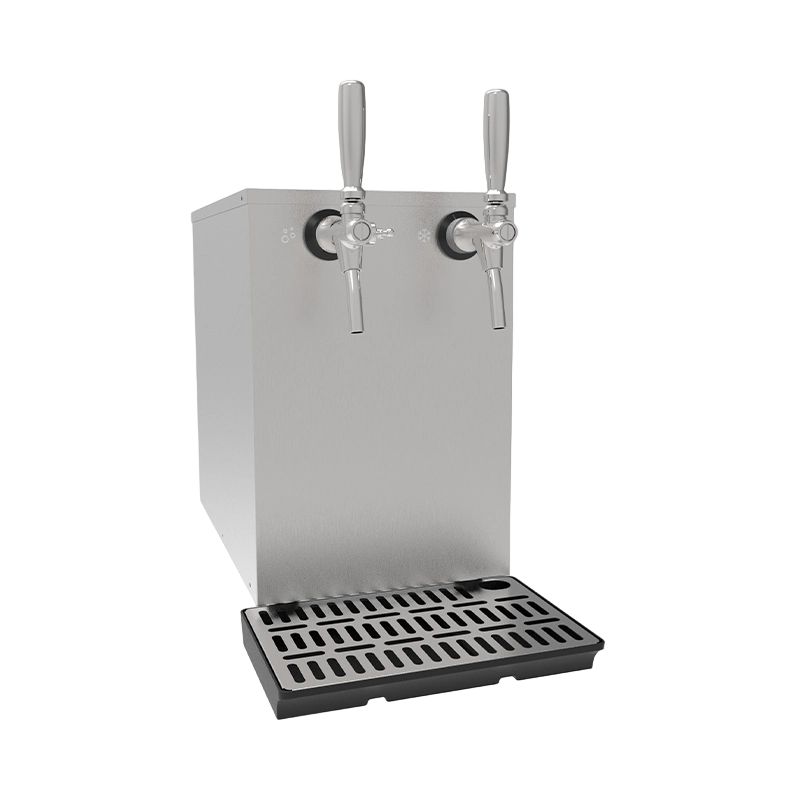
If you want sparkling water on tap without losing filtration performance, consider an all‑in‑one dispenser. A home countertop sparkling water dispenser packages multi‑stage filtration, chilling, and carbonation in a compact unit—no separate RO system needed. For offices, a office floor‑standing sparkling water dispenser serves high traffic while guaranteeing microplastic‑free water.
Beyond the Claim: Why Certification Matters for Microplastic Removal
A manufacturer stating that its filter removes microplastics is not the same as independent proof. Third‑party testing and public certifications are the only way to separate marketing from reality. In one ConsumerLab investigation, a filter that claimed broad contaminant reduction removed 100% of detectable microplastics, while two others managed only 80% and 36%—despite comparable marketing language.
Look for NSF/ANSI certifications that specifically name microplastics. NSF/ANSI 53 (health effects) now includes a protocol for microplastic reduction to particles down to 0.5 µm, and NSF/ANSI 401 covers emerging contaminants. An RO system certified to NSF/ANSI 58 adds an extra layer of membrane integrity assurance. Always verify the certification on the NSF website rather than relying on a badge on the box.
Without certification, a filter’s performance under real‑world flow rates and water chemistry is an unknown variable. The 36% result from the ConsumerLab test demonstrates that even filters with fine carbon blocks can falter when challenged with the diverse sizes and shapes of actual microplastic particles. Certification is the closest thing to a guarantee you’ll get.
The True Cost of Clean Water: A Long-Term Cost Analysis
Initial price tags are misleading. A $40 pitcher might seem cheap, but the recurring cost of replacement cartridges can exceed $100 per year. Over five years, a mid‑range pitcher can cost more than a countertop RO system that delivers far better protection. The table below calculates total ownership cost for a household using 3 gallons of filtered water per day.
| Filter Type | Initial Cost | Annual Filter Cost | RO Wastewater Cost/Year | Total 5-Year Cost |
|---|---|---|---|---|
| Pitcher | $40 | $100 | N/A | $540 |
| Faucet‑Mounted | $60 | $60 | N/A | $360 |
| Countertop RO | $350 | $120 | $3 | $965 |
| Under‑Sink RO | $500 | $150 | $3 | $1,260 |
| Whole‑House | $2,500 | $350 | N/A | $4,250 |
RO wastewater costs are negligible—roughly $3 per year at average water rates. The bigger variable is filter lifespan. Under‑sink RO membranes can last 3–5 years, while carbon pre‑ and post‑filters need annual replacement. Whole‑house systems demand sediment filter changes every 3–6 months and carbon tank replacement every 3–5 years, pushing annual maintenance into the hundreds.
When you factor in the health cost of drinking microplastics, the premium for an RO system becomes a modest insurance policy.
Choosing the Right Filter for Your Home, Office, or Business
Different environments demand different approaches. A single‑person apartment has different flow and space requirements than a 50‑employee office or a busy restaurant. Here is how to match filter type to context without overspending or underfiltering.
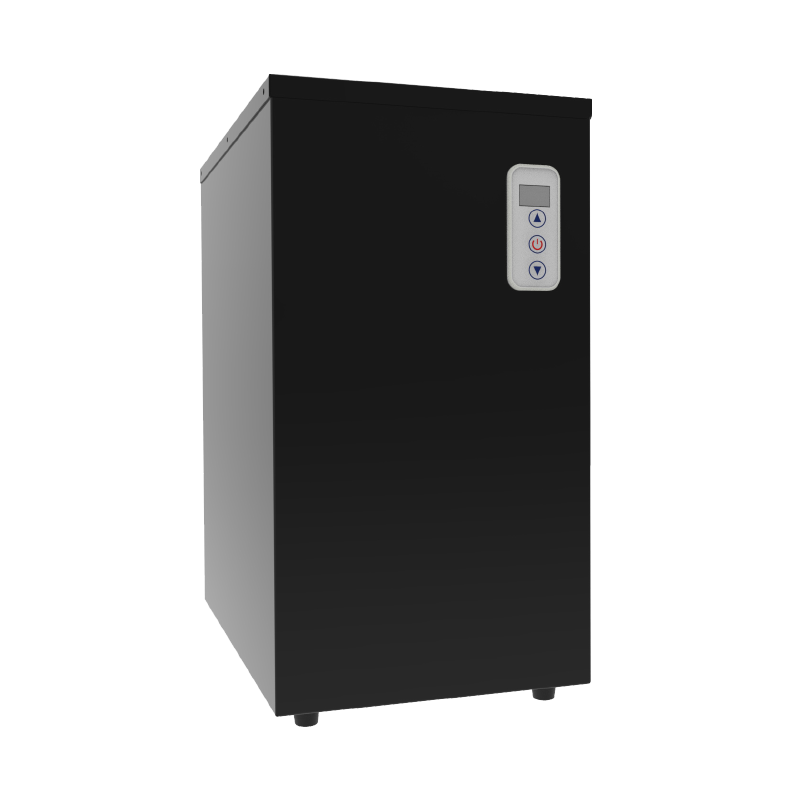
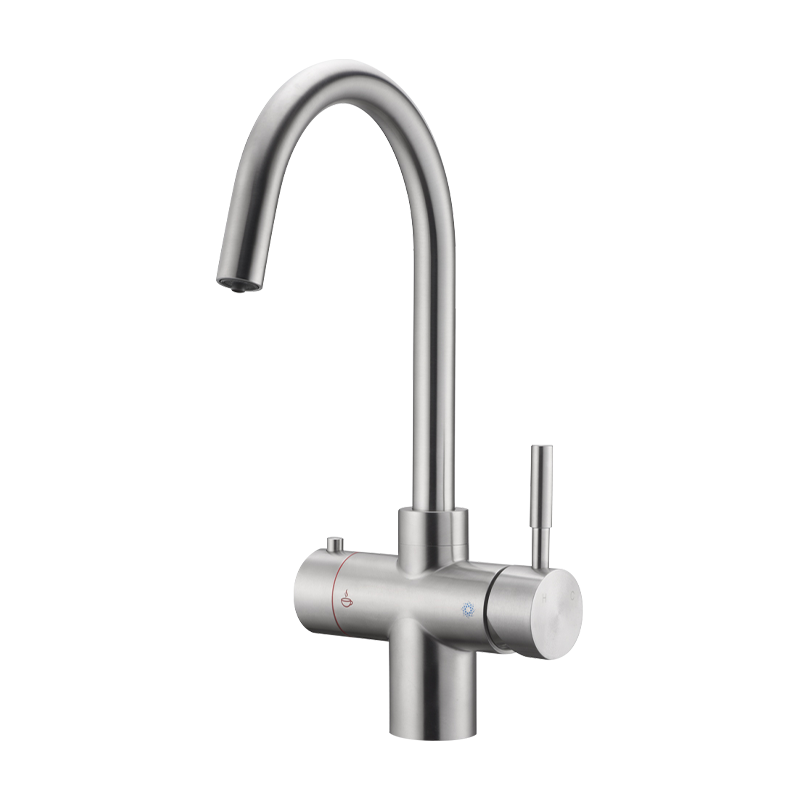
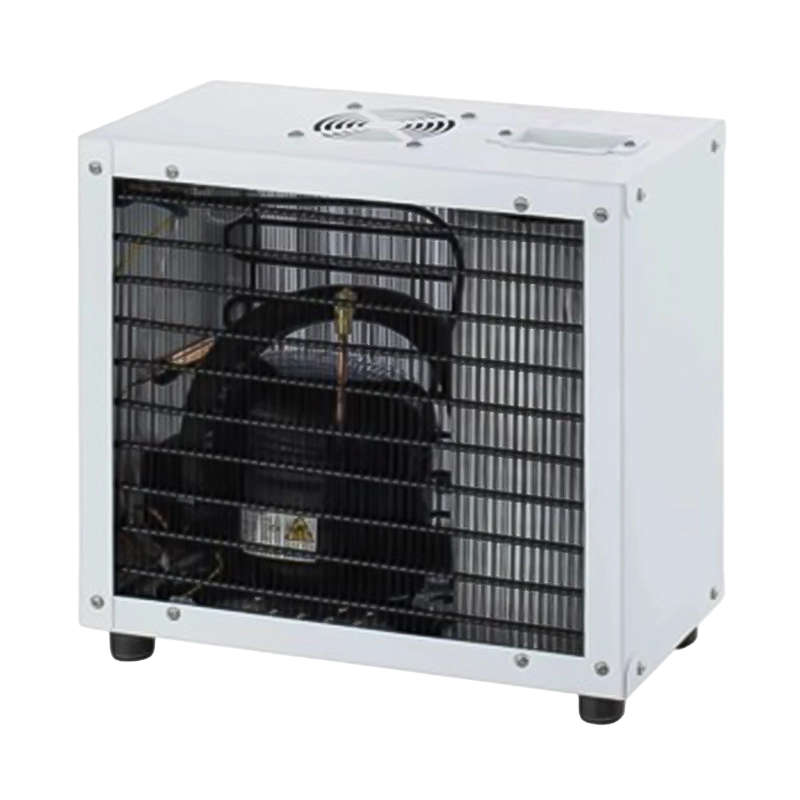
- Home (kitchen point‑of‑use): An under‑sink RO system with a dedicated faucet keeps the counter clear and delivers high‑flow filtered water. A home undercounter water chiller adds cold water on demand without visible equipment.
- Home with entertaining or sparkling preference: A countertop sparkling water dispenser with integrated multi‑stage filtration, like the home countertop sparkling water dispenser, eliminates microplastics while delivering chilled and sparkling water from one appliance.
- Office or corporate kitchen: Floor‑standing dispensers serve dozens of people quickly and can include hot and cold water options. The office floor‑standing sparkling water dispenser provides certified microplastic removal at flow rates suitable for high traffic, reducing reliance on single‑use plastic bottles.
- Restaurant or hotel: Under‑counter RO systems with high‑volume storage tanks or dedicated commercial units ensure every glass served is free of microplastics. Pairing with a carbonation system can elevate the beverage program.
No matter the scale, the key is to look past marketing and demand certified performance. If a system can’t show NSF testing specific to microplastics, assume it removes only a fraction of what you expect. With the right hardware, zero‑plastic water isn’t a luxury—it’s a daily reality.

-1.png "3-Mode Undercounter Sparkling Water Dispenser")

 ADDRESS
 CONTACT
 EMAIL
EMAIL