




 Language
 English
 Español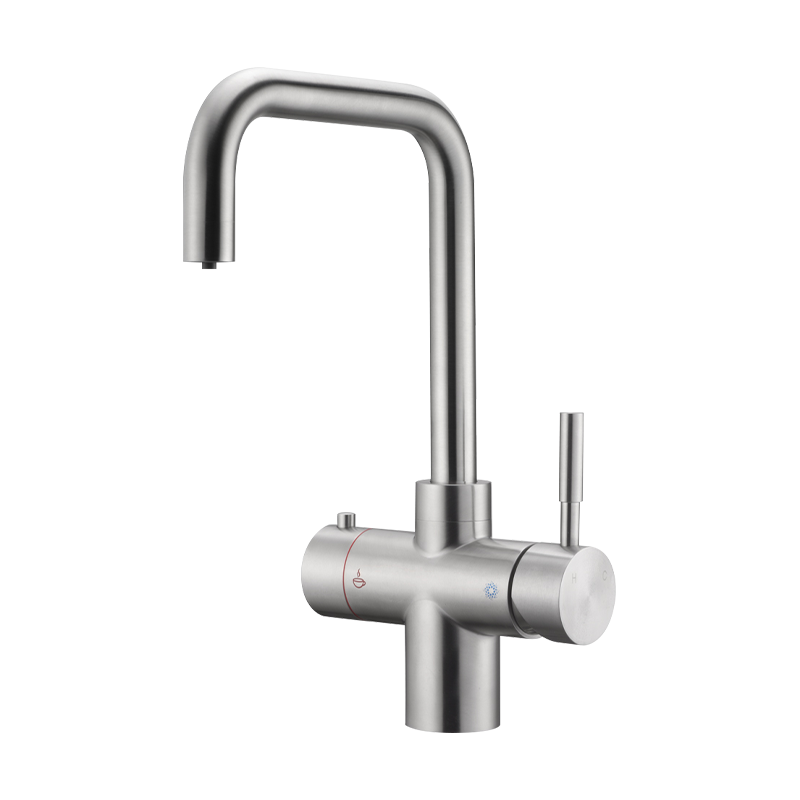
HOT PRODUCTS
Content
Bottled sparkling water costs between $0.50 and $2.00 per liter at retail — and for anyone going through two or three liters a day, that adds up fast. A sparkling water faucet installed at your kitchen sink or bar counter changes that math entirely, delivering carbonated water on demand for a fraction of the per-liter cost. But cost savings are only part of the story. Before choosing a system, it helps to understand exactly how these setups work, what types are available, and which features actually matter in daily use.
What Is a Sparkling Water Faucet and How Does It Work
A sparkling water faucet is a dedicated tap — or a multi-function tap with a sparkling water outlet — connected to an under-sink or countertop carbonation unit. The system draws water from your main supply, chills it, and infuses it with CO₂ under pressure before dispensing it through the faucet. The result is fresh, chilled carbonated water available at the turn of a handle or the press of a button.
The process has four stages:
- Water intake. The unit connects directly to your cold water supply line. For improved taste, an inline water filter can be added before the machine.
- Chilling. A built-in cooling system drops the water temperature before carbonation. Colder water absorbs CO₂ more effectively, which is why proper chilling directly affects the quality and longevity of the bubbles.
- Carbonation. A CO₂ cylinder connected via a pressure regulator injects carbon dioxide into the chilled water. The pressure level determines carbonation intensity — most systems allow adjustment between lightly sparkling and intensely sparkling outputs.
- Dispensing. Sparkling water flows through the dedicated faucet on demand. Once poured, the fizz typically holds well for up to 30–40 minutes in a glass.
The CO₂ cylinder is the only consumable in the system. A standard 1.2 kg cylinder produces around 200 liters of sparkling water; a 2 kg cylinder extends that to roughly 360 liters. Refills are widely available through gas suppliers, homebrew stores, and beverage equipment shops.
The Real Cost Comparison: Faucet vs. Bottled Water
The upfront investment for a sparkling water faucet system ranges from a few hundred dollars for a basic countertop unit to over a thousand for a full under-sink setup with a premium multi-function tap. That number can feel significant — until you factor in ongoing costs.
With a home system, the per-liter cost of sparkling water drops to a matter of cents once you account for water, electricity, CO₂, and occasional filter changes. At retail prices of $0.50–$2.00 per liter for bottled sparkling water, a household consuming one liter per day spends $180–$730 annually on bottles alone. Most sparkling water faucet systems pay for themselves within one to two years of regular use — and continue generating savings every year after that.
Beyond direct cost, there are indirect savings: no more carrying cases of bottles home, no refrigerator space dedicated to storing them, and no recycling runs. For restaurants, hotels, and offices, the labor cost of restocking bottled water disappears entirely once a plumbed system is in place.
Health and Hydration Benefits
Sparkling water has faced persistent myths about being "less healthy" than still water. The evidence doesn't support that. According to hydration researchers and medical professionals, carbonated water hydrates the body just as effectively as plain water — the CO₂ dissolves into carbonic acid and is released through breathing, leaving the water's hydrating properties unchanged.
The American Heart Association notes that sparkling water can contribute to daily fluid intake, particularly for people who find still water unappealing. If the fizz makes someone more likely to drink throughout the day, the net hydration outcome improves.
There are two more practical benefits worth noting:
- Replacing sugary drinks. Sparkling water is a zero-calorie, zero-sugar alternative to sodas and flavored beverages. Having it available instantly from a faucet — rather than reaching for a can from the fridge — makes the healthier choice the easier one.
- Satiety. Research suggests carbonation can create a temporary feeling of fullness, which some people find helpful for appetite management between meals.
Plain sparkling water without added sugars, sweeteners, or sodium is the form that carries these benefits. A faucet system gives you exactly that — pure water, carbonated to your preference, nothing added.
Types of Sparkling Water Faucets: Which Setup Fits Your Space
Not every sparkling water system is built the same way, and the right format depends on how much space you have, how much carbonated water you need, and whether you're outfitting a home kitchen, an office, or a commercial environment.
| Type | How It Works | Best For | Typical Output |
|---|---|---|---|
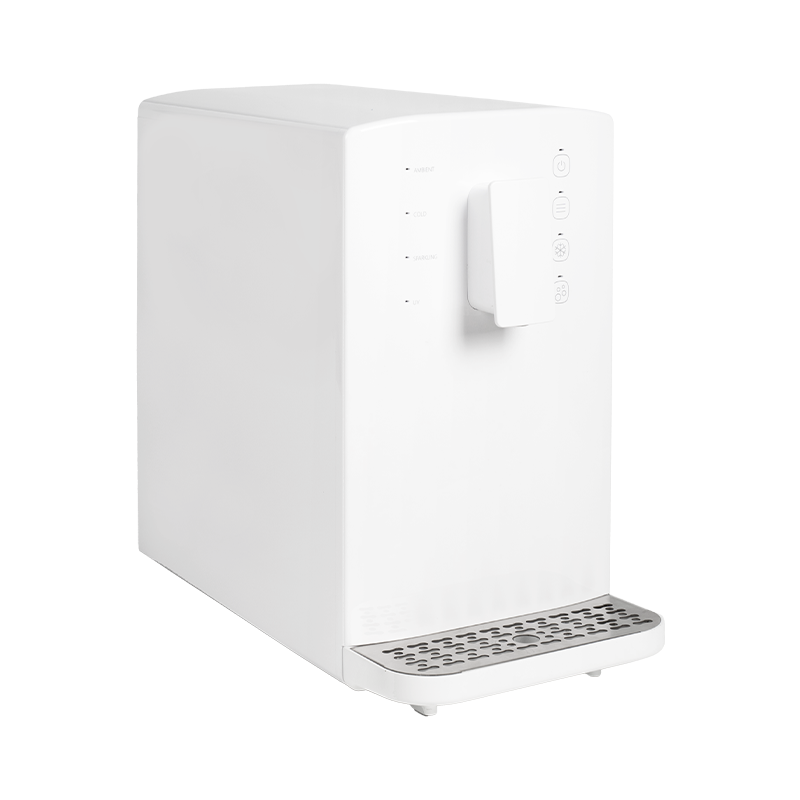
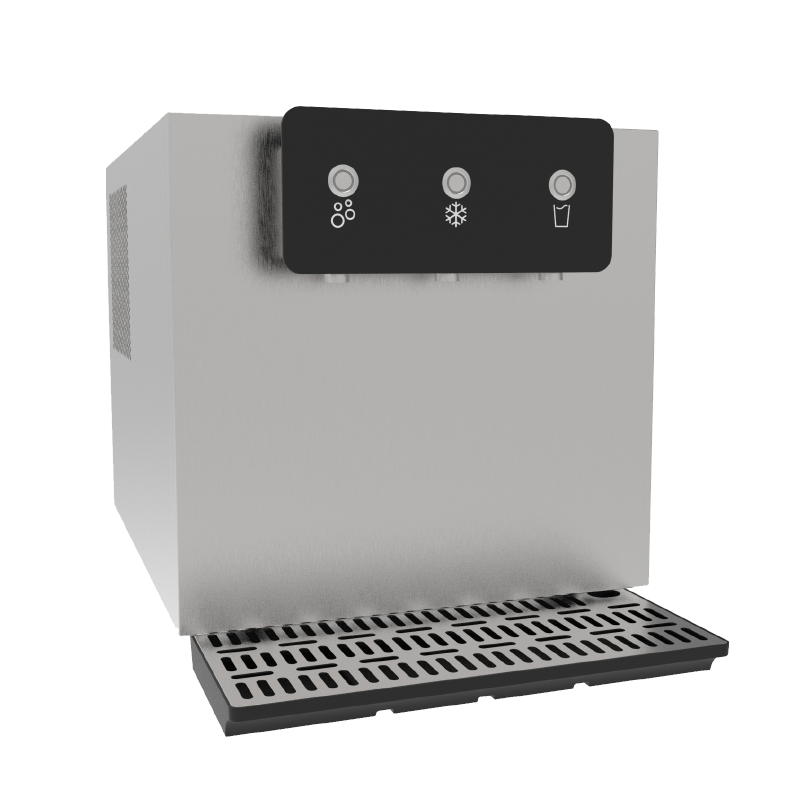
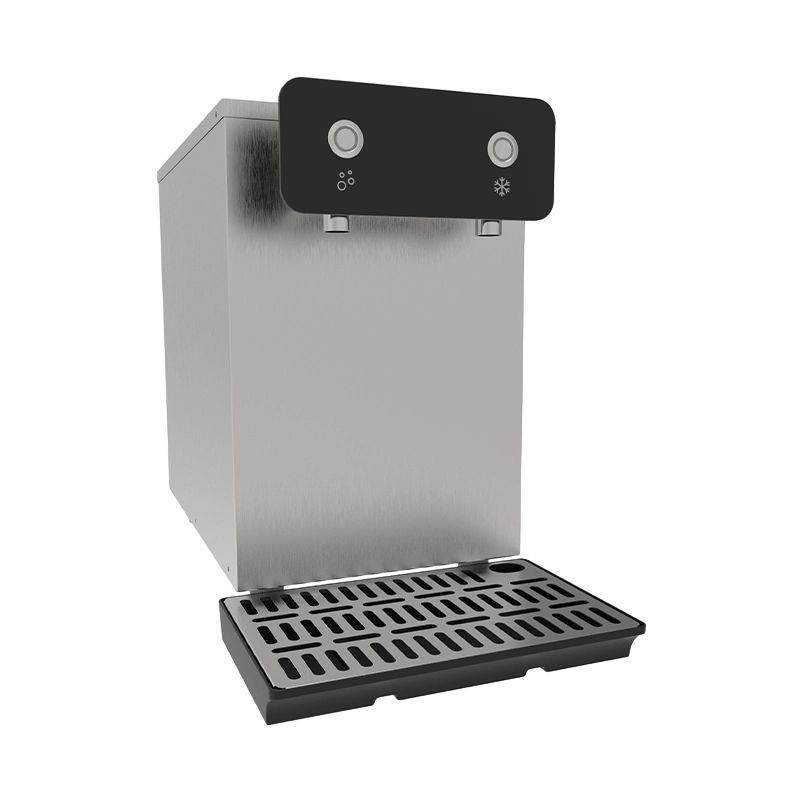
| Countertop Dispenser | Self-contained unit sits on the counter; no under-sink plumbing required | Offices, small kitchens, rental spaces | Low to medium volume |
| Under-Sink System with Dedicated Tap | Carbonation unit hidden under the sink; connects to a standalone sparkling water tap | Home kitchens, home bars, office pantries | 6–8 L/hour (typical residential) |
| Multi-Function Under-Sink System | Under-sink unit feeds a multi-way faucet (3-way, 4-way, or 5-way) with hot, cold, filtered, and sparkling outlets | Modern kitchen remodels, premium home setups | Medium to high volume |
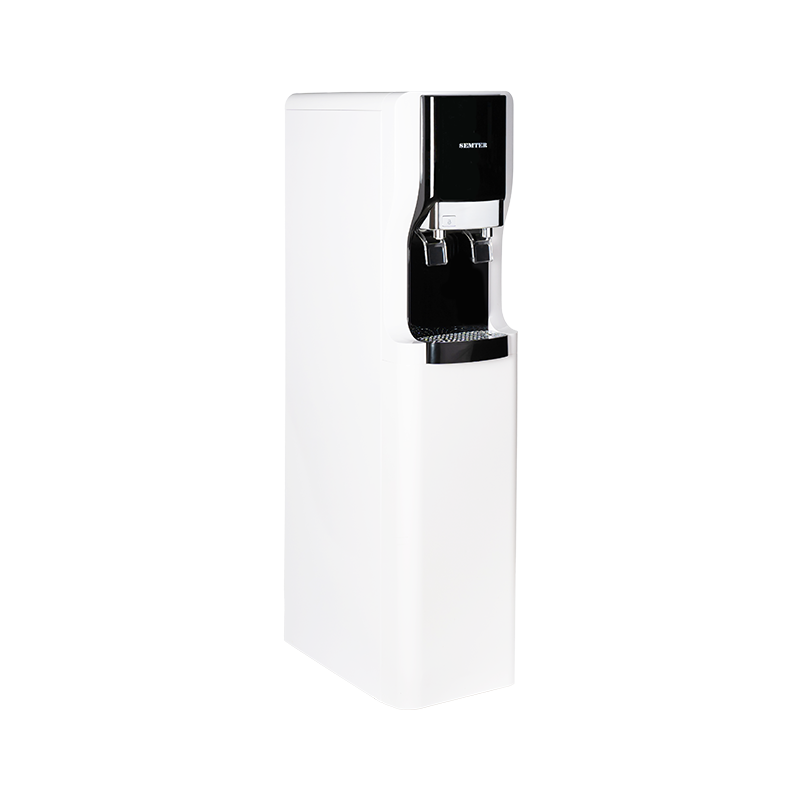
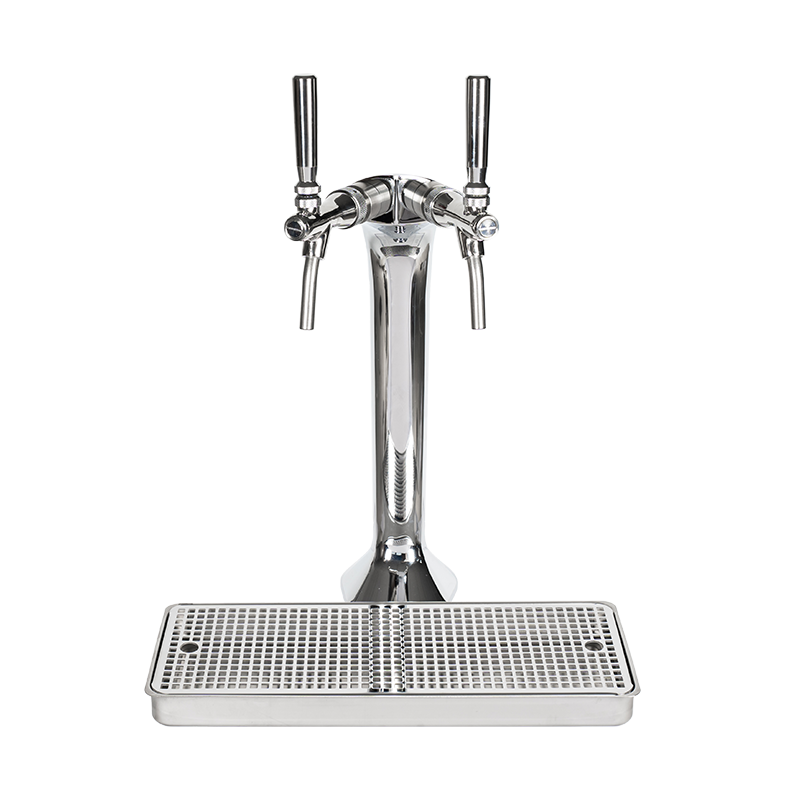
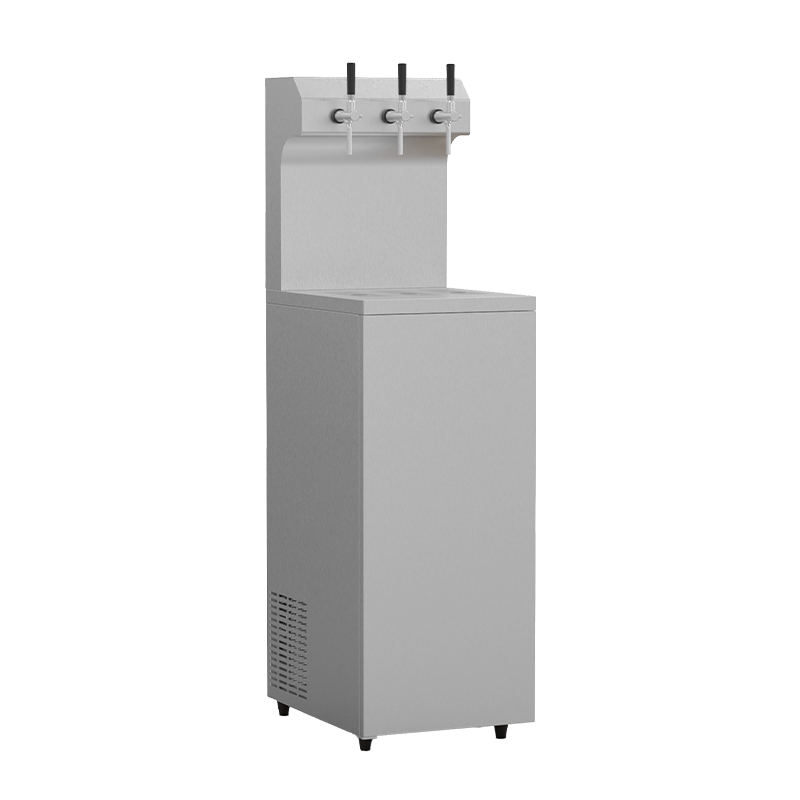
| HORECA Undercounter System | High-capacity commercial unit under the counter or bar, connected to a dispense tower or multi-tap bar setup | Restaurants, hotels, cafes, event venues | High volume, continuous service |
For homeowners remodeling a kitchen or adding a home bar, under-sink sparkling water dispensers designed for home and office use offer the cleanest result: the machine stays hidden, the countertop stays uncluttered, and a dedicated sparkling tap (or a multi-way faucet) handles all the dispensing. For businesses needing higher throughput, undercounter sparkling water systems built for HORECA environments are designed for continuous service under commercial demand. Offices fall somewhere in between — office sparkling water dispenser options typically prioritize ease of use, a compact footprint, and low maintenance over raw output volume.
Key Features to Look for When Choosing a System
Once you've identified the right system format, the next step is comparing specific capabilities. These are the features that separate a system that performs well over years of daily use from one that underwhelms after the first month.
- Carbonation output (L/hour). This tells you how much sparkling water the system can produce continuously. A residential system producing 6–8 L/hour handles most household needs comfortably; countertop sparkling water dispensers for commercial settings should be rated significantly higher.
- Cooling system type. Compressor-based (refrigerant) cooling delivers more consistent chilling than dry-cooling thermoelectric systems, especially in warm environments or during peak use. For home use, dry cooling is often sufficient; for commercial environments, compressor cooling is generally preferred.
- Carbonation level adjustment. Better systems allow you to dial in carbonation strength — from lightly sparkling to intensely fizzy — by adjusting CO₂ pressure at the regulator. Some premium units offer preset levels controlled at the tap itself.
- Number of water modes. Multi-function systems may dispense sparkling, chilled still, ambient, and even instant hot water from the same faucet. More modes mean fewer taps on the sink, which simplifies the installation and the countertop layout.
- CO₂ cylinder compatibility. Check that the regulator and fittings are compatible with standard cylinders available locally. Proprietary cartridge systems lock you into a single supplier; standard-thread CO₂ cylinders can be refilled almost anywhere.
- Filtration compatibility. Most systems work with a standard under-sink water filter upstream of the machine to improve taste. High-output reverse osmosis systems are generally not recommended, as the low flow rate can restrict performance.
Installation and Maintenance
Installing an under-sink sparkling water system is straightforward for most kitchens with standard plumbing. The basic requirements are a cold water supply connection, a drain line, access for a CO₂ cylinder under the sink or nearby, and a hole in the sink deck or countertop for the faucet. Many homeowners install these systems without professional help; for multi-function faucets that replace an existing tap, a plumber can complete the job in an hour or two.
Ongoing maintenance is minimal:
- CO₂ replacement. A 1.2 kg cylinder lasts approximately 200 liters. For a household drinking one liter per day, that's roughly a four-month supply per cylinder. Refills are quick and widely available.
- Water filter changes. If an inline filter is used, cartridges typically need replacing every 6–12 months depending on water quality and volume.
- Periodic cleaning. The internal tubing and cooling components benefit from flushing per the manufacturer's schedule — usually once or twice a year — to maintain water quality and prevent scale buildup.
The combination of low maintenance requirements and long equipment lifespan makes a sparkling water faucet one of the more durable kitchen investments available. Once installed, the system runs largely on its own — delivering fresh sparkling water every time the tap is opened, without restocking, refrigeration, or waste.

 ADDRESS
 CONTACT
 EMAIL
EMAIL