




 Language
 English
 Español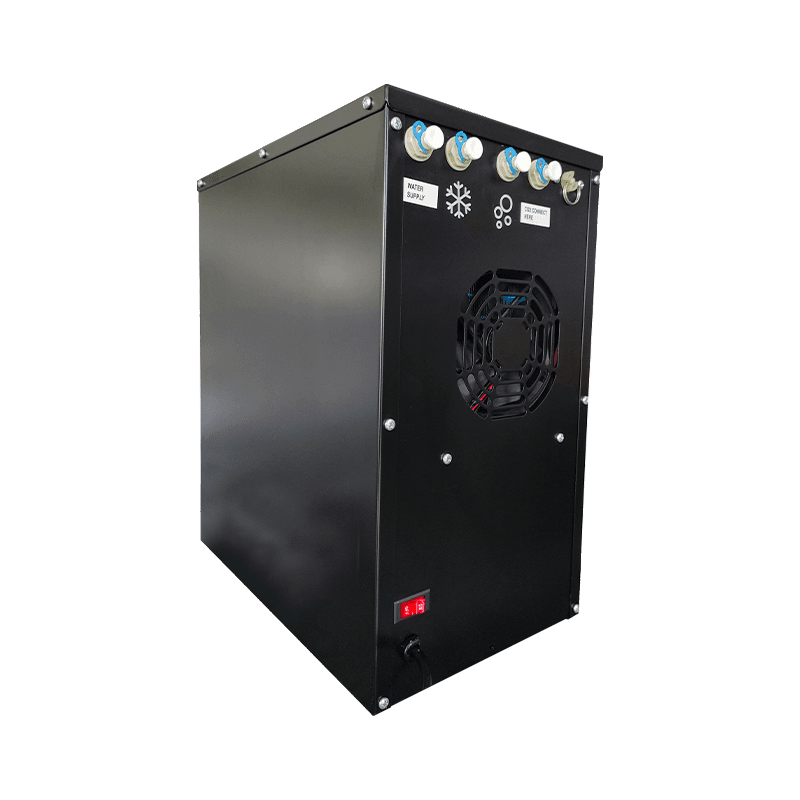
HOT PRODUCTS
Content
- 1 What Is a Carbonated Water Dispenser for Home?
- 2 Countertop vs. Built-In vs. Instant Dispensers: Which One Fits Your Kitchen?
- 3 How Much Does a Carbonated Water Dispenser Cost? (Upfront + Ongoing)
- 4 Top 5 Carbonated Water Dispensers for Home (2026 Reviews)
- 5 How to Install a Built-In Carbonated Water Dispenser
- 6 Maintenance and Cleaning Tips for Long-Term Use
- 7 Frequently Asked Questions About Home Carbonated Water Dispensers
The average American household spends $300 to $500 a year on canned and bottled sparkling water. That number climbs higher if you factor in flavored varieties, glass bottles, or premium imports. A carbonated water dispenser for home can slash that expense by 60% or more while eliminating the weekly chore of hauling heavy flats from the grocery store.
But these machines are not all the same. Some sit on your countertop and carbonate water in reusable bottles. Others hide under the sink and deliver chilled, sparkling water through a dedicated faucet. A third category—instant dispensers—connects directly to your water line and chills on demand. The right choice depends on how much sparkling water your household drinks, how much counter space you have, and whether you are willing to drill a hole in your countertop.
This guide explains the differences clearly, runs the real numbers on cost, and recommends five specific types worth your attention in 2026. No marketing fluff. Just practical, actionable comparisons from someone who has tested and lived with these devices.
What Is a Carbonated Water Dispenser for Home?
A carbonated water dispenser for home is any appliance that transforms still tap water into sparkling water on demand—right in your kitchen. Unlike a soda maker that requires you to fill a bottle, screw it into a machine, and manually inject CO₂, a true dispenser typically integrates the carbonation mechanism with a water source and chiller, so you get cold, fizzy water at the press of a lever or button.
Confusion exists because retailers and brands use overlapping terms. Here is how the three main categories break down:
- Soda makers (also called sparkling water makers): Countertop units like Drinkmate or SodaStream. You fill a proprietary bottle with cold water, attach it to the machine, and press a button to inject CO₂. Portable, affordable, but require manual effort and bottle cleaning.
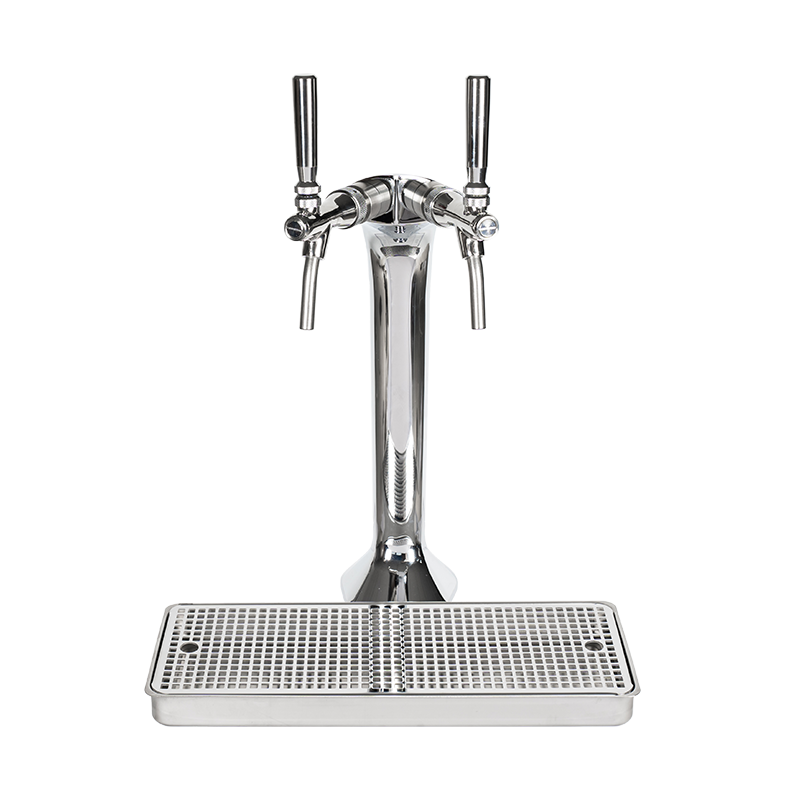
- Built-in carbonated water dispensers: These install under your sink and connect to both your cold water line and a CO₂ cylinder. A dedicated faucet on your countertop dispenses still or sparkling water. Carbonation happens inside a chilled tank, so the water is always cold and ready.
- Instant sparkling water dispensers: Larger countertop or floor-standing units that connect to your water line, chill water internally, and dispense still, sparkling, and sometimes hot water. Common in offices but increasingly available in compact home-friendly sizes.
The distinction matters because each category demands a different budget, installation scope, and maintenance routine. If you simply want occasional fizzy water for one or two people, a soda maker might suffice. If your household goes through 5 liters a day, a built-in dispenser will pay for itself faster and save you constant refilling.
Countertop vs. Built-In vs. Instant Dispensers: Which One Fits Your Kitchen?
Choosing between these three types comes down to four factors: installation requirements, carbonation quality, ongoing effort, and total cost over time. The table below gives you a clear side-by-side comparison.
| Feature | Soda Maker (Countertop) | Built-In Undercounter | Instant Dispenser (Plumbed) |
|---|---|---|---|
| Installation | None — plug and use | Requires under-sink plumbing, CO₂ tank space, and faucet hole | Water line connection needed; some models need drainage |
| Water Chilling | No — use pre-chilled water | Yes — internal chiller keeps water at 4-8°C | Yes — always chilled |
| Carbonation Strength | Moderate; depends on manual CO₂ injection | High — pressurized tank carbonation | High — consistent automated carbonation |
| CO₂ Cylinder Size | 60L per standard cylinder | Typically 2-5 kg cylinders; lasts months | Varies; some use large refillable tanks |
| Price Range (Unit) | $70 – $200 | $800 – $2,500 | $1,500 – $4,000 |
| Best For | 1-2 people, low daily consumption | Families of 3+, high daily use, permanent solution | High-volume homes, entertainers, luxury kitchens |
| Ongoing Effort | Fill bottles, chill water, swap small CO₂ cartridges every 4-6 weeks | Minimal — replace large CO₂ tank every 6-12 months | Minimal — occasional filter changes |
If you have under-sink cabinet space and are willing to hire a plumber for an afternoon, a built-in undercounter unit delivers the best day-to-day experience. You walk up, press a lever, and get perfectly chilled sparkling water. No bottles to fill. No waiting. Models like the high-capacity home undercounter sparkling water dispenser are built specifically for households that treat sparkling water as their primary drinking water.
Countertop soda makers, on the other hand, win on simplicity and upfront price. If you rent, move frequently, or have a small kitchen, they are the practical pick. Just keep a few bottles of water in the fridge so you always have cold water ready to carbonate.
Instant plumbed dispensers sit in the middle ground—no permanent under-sink installation but still require a water line. They tend to be larger, so a dedicated spot on the counter or floor is non-negotiable.
How Much Does a Carbonated Water Dispenser Cost? (Upfront + Ongoing)
Sticker price tells only half the story. The real financial case for a home carbonated water dispenser emerges when you factor in CO₂ refills, filter replacements, and the cost of bottled sparkling water you no longer buy. Let us run the numbers on a typical 4-person household consuming 4 liters of sparkling water per day.
Upfront Equipment Cost
- Soda maker starter kit: $90 – $150 (includes one 60L CO₂ cylinder and one bottle)
- Built-in undercounter unit: $900 – $2,200 (plus $150 – $400 for professional installation)
- Instant plumbed dispenser: $1,600 – $3,500 (installation typically $100 – $300 if a water line is nearby)
Ongoing CO₂ Cost
A standard 60L CO₂ cylinder costs between $12 and $18 and carbonates roughly 60 liters of water. That is $0.20 to $0.30 per liter. Larger 2.5 kg refillable tanks—common with built-in systems—bring the cost down to $0.08 to $0.15 per liter. By comparison, store-bought sparkling water averages $0.80 to $1.50 per liter for generic brands and over $2.00 per liter for premium imported brands.
At 4 liters per day, a household spends approximately $1,168 per year on generic bottled sparkling water. Using a built-in dispenser with a refillable tank drops the annual CO₂ cost to roughly $175. That is a savings of nearly $1,000 in the first year alone—and the savings compound every year after.
Three-Year Total Cost Comparison
| Option | Equipment + Install | 3 Years of CO₂/Filters | Total |
|---|---|---|---|
| Bottled Sparkling Water | $0 | $3,504 | $3,504 |
| Soda Maker | $130 | $876 | $1,006 |
| Built-In Undercounter | $1,800 | $525 | $2,325 |
| Instant Plumbed Dispenser | $2,600 | $450 | $3,050 |
The built-in unit breaks even against bottled water at around 18 months and keeps saving from there. The soda maker breaks even in under 4 months. If your household drinks less than 2 liters per day, the payback period stretches but the long-term math still favors owning a dispenser over buying bottles indefinitely.
Top 5 Carbonated Water Dispensers for Home (2026 Reviews)
These five picks span the three categories and cover different budgets. Each represents a specific use case, so match your household habits to the recommendation rather than chasing the highest-priced option.
1. Best Overall Countertop Sparkling Dispenser
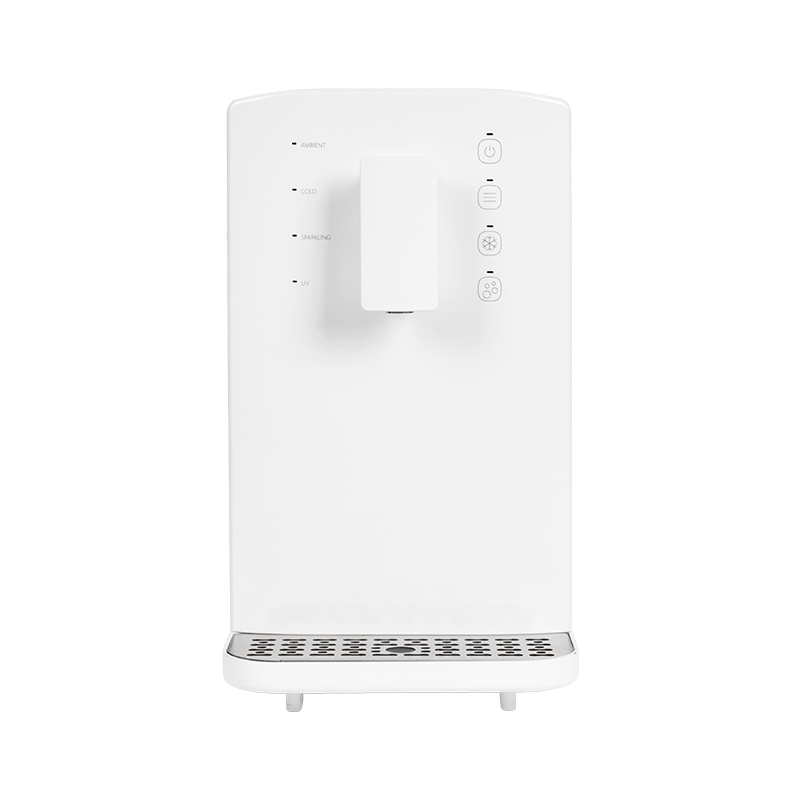
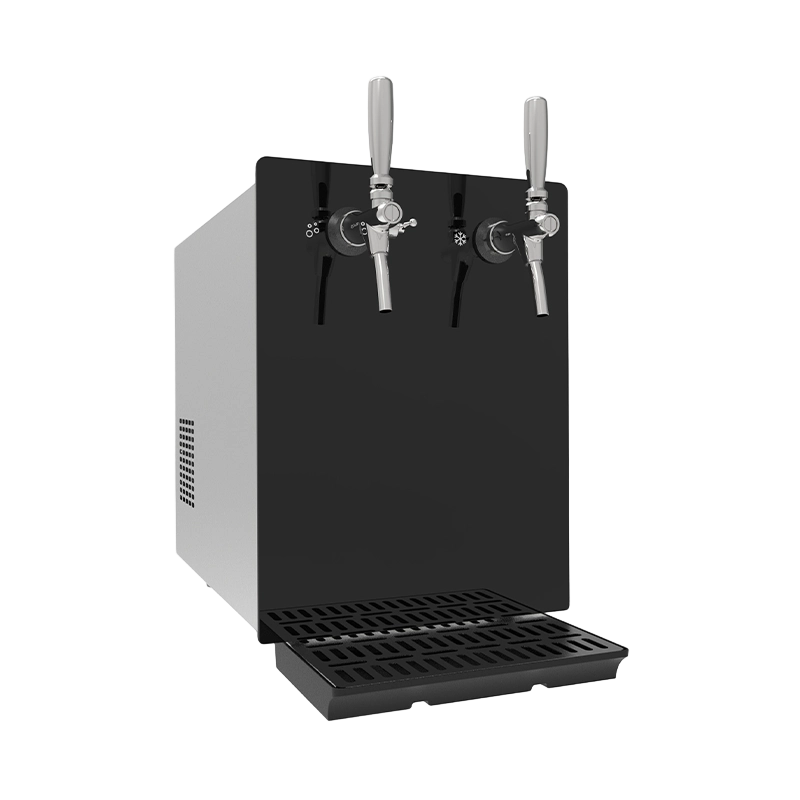
For households that want cold, sparkling, and still water from a single countertop unit without under-sink plumbing, the latest generation of plumbed countertop dispensers hits the sweet spot. These units connect to your cold water line via a small hose, chill water internally, and dispense at the push of a button. Carbonation strength is adjustable, and many include built-in filtration. The Korean-design countertop sparkling water dispenser exemplifies this category—compact enough for most kitchens, with touch-button controls and consistent carbonation quality that rivals built-in systems at a lower entry price. Noise levels are moderate (about 45-50 dB during chilling cycles), and replacing the CO₂ cylinder takes under two minutes.
2. Best High-Capacity Undercounter System
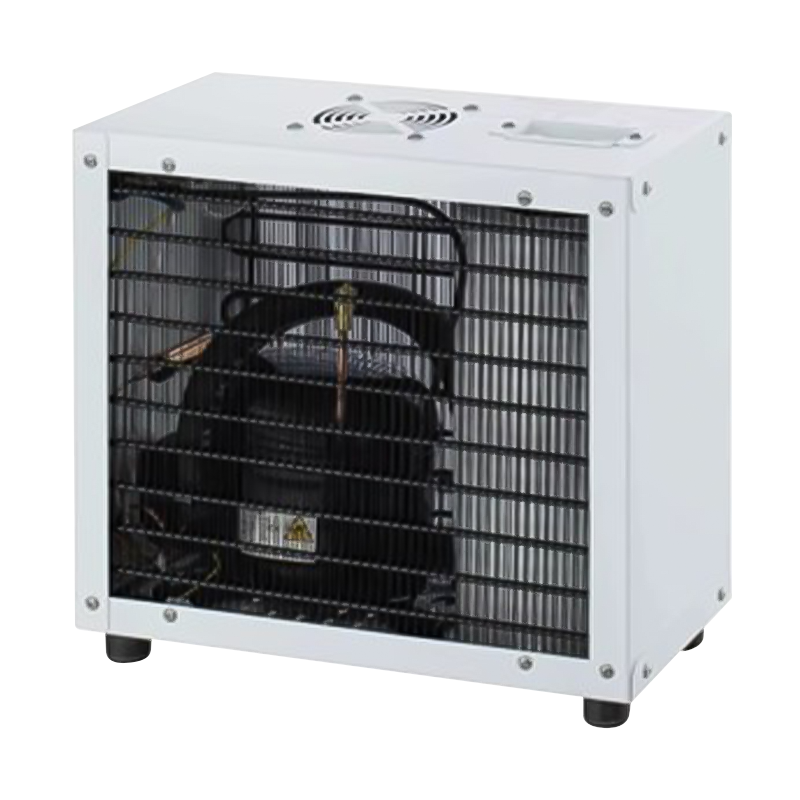
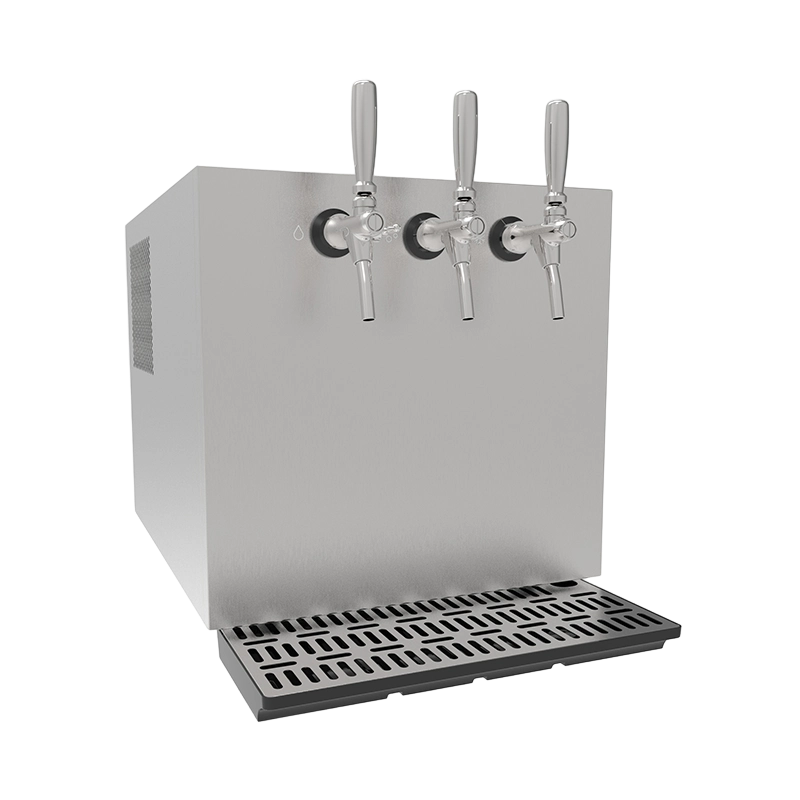
When sparkling water is the household default, a dedicated undercounter unit makes the most sense. These systems chill a reservoir of water inside a stainless steel tank and carbonate it under pressure. The result is consistently cold, restaurant-quality sparkling water poured from a dedicated faucet. Expect to pay between $1,200 and $2,500 for the unit alone, plus installation. Look for models with a carbonation tank that holds at least 2 liters of chilled water so you never run out mid-dinner. A high-capacity home undercounter sparkling water dispenser is ideal for families of four or more, especially if you entertain regularly. The large CO₂ tank means 6-12 months between refills, and the carbonation intensity is noticeably stronger than what countertop soda makers produce.
3. Best Budget Soda Maker for Small Households
If you live alone or with one other person and only drink a liter or two of sparkling water a day, a traditional soda maker remains the most sensible choice. Modern versions cost under $120, come with one CO₂ cylinder good for 60 liters, and take up minimal counter space. The key improvements in 2026 models include quieter CO₂ injection, compatibility with glass carafes (not just plastic bottles), and the ability to carbonate liquids beyond water—think juice or even flat wine. The trade-off is manual effort: you fill the bottle, chill the water beforehand, and carbonate it yourself. For many people, that routine becomes second nature within a week.
4. Best Compact Instant Dispenser with Filtration
This category bridges the gap between soda makers and built-in systems. Compact instant dispensers sit on the counter, connect to your water line, and include multi-stage filtration plus chilling and carbonation in one unit. They cost more than soda makers—typically $400 to $800—but eliminate the need to pre-chill water or swap small CO₂ cylinders frequently. Many include a hot water function too, effectively replacing a kettle. If your tap water quality is a concern, the built-in filtration adds genuine value beyond just carbonation.
5. Best Premium All-in-One Floor Standing Unit
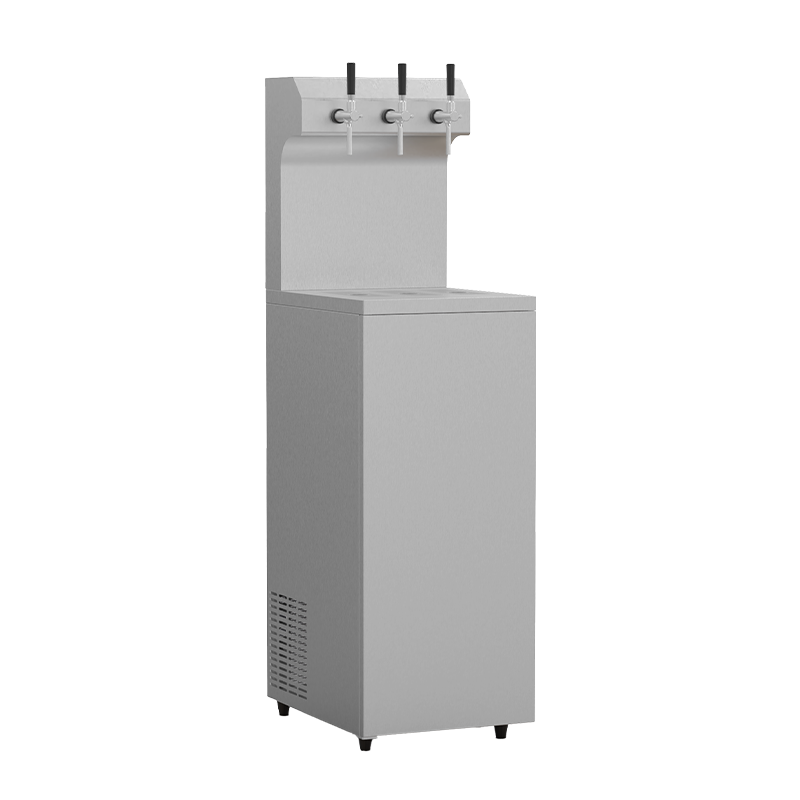
For dedicated home bars, large kitchens, or serious sparkling water enthusiasts, a floor-standing dispenser delivers the ultimate experience. These units look like a high-end coffee station but dispense chilled still water, chilled sparkling water, and sometimes ambient or hot water. They require a water line connection and a nearby power outlet. Prices start around $1,600 and climb past $3,500 for models with customizable carbonation levels and built-in flavor infusion. Installation is simpler than an undercounter unit—no cabinet modifications needed—but you do need floor space roughly equivalent to a small filing cabinet. The carbonation quality is outstanding, and many users report drinking significantly more water simply because the dispenser makes it so convenient and enjoyable.
How to Install a Built-In Carbonated Water Dispenser
Installing an undercounter carbonated water dispenser is not a casual weekend project for most homeowners. It involves plumbing, electrical work, and potentially drilling through a countertop. Here is the step-by-step sequence so you know what to expect.
- Choose the faucet location. If your sink does not have a spare hole, you will need to drill one through the countertop. Granite and quartz require a diamond hole saw. If you are uncomfortable with this, hire a professional—a cracked countertop is an expensive mistake.
- Mount the carbonation unit under the sink. Secure the chiller and carbonation tank module inside the cabinet. Ensure there is enough clearance for the CO₂ cylinder and that the area has ventilation.
- Connect to the cold water line. Use the included T-fitting to tap into your existing cold water supply. This is straightforward if you have standard compression fittings. Some units include a dedicated shut-off valve, which is worth installing for future maintenance.
- Run the tubing to the faucet. Connect the water and CO₂ lines from the under-sink unit up to the faucet. Most kits include pre-cut tubing and quick-connect fittings that do not require tools.
- Connect the CO₂ cylinder. Screw the regulator onto the cylinder, check for leaks with soapy water, and set the pressure according to the manufacturer's specification—typically between 3 and 4 bar.
- Plug in and test. Once the unit is powered, run water through for a few minutes to flush the lines and fill the chilling tank. Test both still and sparkling modes before considering the job done.
DIY installation is feasible if you have basic plumbing experience and your sink cabinet has an accessible cold water line. But if the unit requires a dedicated electrical outlet under the sink or if your countertop needs drilling, the $150-$400 for a licensed plumber is money well spent. A poor connection can cause a slow leak that ruins your cabinet floor over months before you notice it.
Maintenance and Cleaning Tips for Long-Term Use
Neglecting maintenance is the fastest way to end up with weak carbonation, off-tasting water, or a broken pump. The good news: the routine is simple and takes less than 20 minutes every few months.
Cleaning Schedule
- Every 3 months: Clean the faucet nozzle and exterior with a soft cloth and mild soap. Run a cleaning cycle using citric acid or a manufacturer-approved descaling solution to remove mineral buildup inside the carbonation tank and lines. Hard water areas need this more frequently—watch for a drop in carbonation intensity as your early warning sign.
- Every 6 months: Replace any internal water filters if your unit has them. Inspect all tubing connections for signs of wear or slow leaks. Check the CO₂ regulator seal and replace it if it shows cracking.
- Annually: Deep-clean the chilling tank if accessible. Some units allow you to drain and flush the tank completely. Sanitize the water path with a food-grade sanitizer, then flush thoroughly with clean water.
Common Issues and Fixes
If carbonation weakens noticeably, the problem is almost always a nearly empty CO₂ cylinder or mineral scale coating the carbonation injector. Swap the cylinder first—if that does not fix it, run a descaling cycle. If the water tastes metallic or stale, you have likely gone too long between cleanings and bacterial growth has taken hold in the tank or lines. A thorough sanitizing flush resolves this in most cases. Leaks around the faucet base usually indicate a worn O-ring, which is a $2 part and a 10-minute fix.
Always consult your unit's manual for specific cleaning procedures. Some carbonation tanks are sealed and should not be opened—puncturing a pressurized tank is dangerous.
Frequently Asked Questions About Home Carbonated Water Dispensers
Can I carbonate juice or other liquids besides water?
Most soda makers allow carbonating juice, wine, or cocktails if you use the manufacturer's approved bottle and follow specific instructions. However, built-in and instant dispensers are designed for water only. Carbonating sugary liquids inside a plumbed system will clog valves, void the warranty, and create a breeding ground for bacteria. Stick to water in plumbed dispensers.
Where do I get CO₂ cylinders refilled or exchanged?
Standard 60L cylinders are available for exchange at major retailers, homebrew supply shops, and online. Many brands offer mail-in exchange programs. Larger 2.5-5 kg tanks used by built-in systems are refilled at welding supply stores, homebrew shops, or through specialized gas suppliers. A single large tank lasts a heavy-use household 8-14 months.
How loud are these machines?
Soda makers produce a brief hiss during CO₂ injection—about 2-3 seconds. Built-in undercounter units hum quietly when the chiller compressor runs, similar to a small refrigerator (40-45 dB). Instant plumbed dispensers are slightly louder during chilling cycles but are rarely disruptive. If the unit is installed inside a closed cabinet, noise is negligible.
Does a carbonated water dispenser improve water taste?
No—carbonation adds texture and a slight acidity that masks some off-flavors, but it does not remove contaminants or improve water quality. If your tap water has a noticeable chlorine taste or hardness, install a filter before the dispenser or choose a model with built-in filtration. Carbonating bad-tasting water makes it fizzy bad-tasting water.
Can I install a built-in unit myself?
Yes, if you are comfortable with basic plumbing connections and your sink already has a spare faucet hole. If you need to drill a hole in granite or quartz, or if an electrical outlet needs to be added under the sink, hire professionals for those specific tasks. The water line connection itself is typically a simple push-fit or compression fitting that takes 10 minutes.


 ADDRESS
 CONTACT
 EMAIL
EMAIL