




 Language
 English
 Español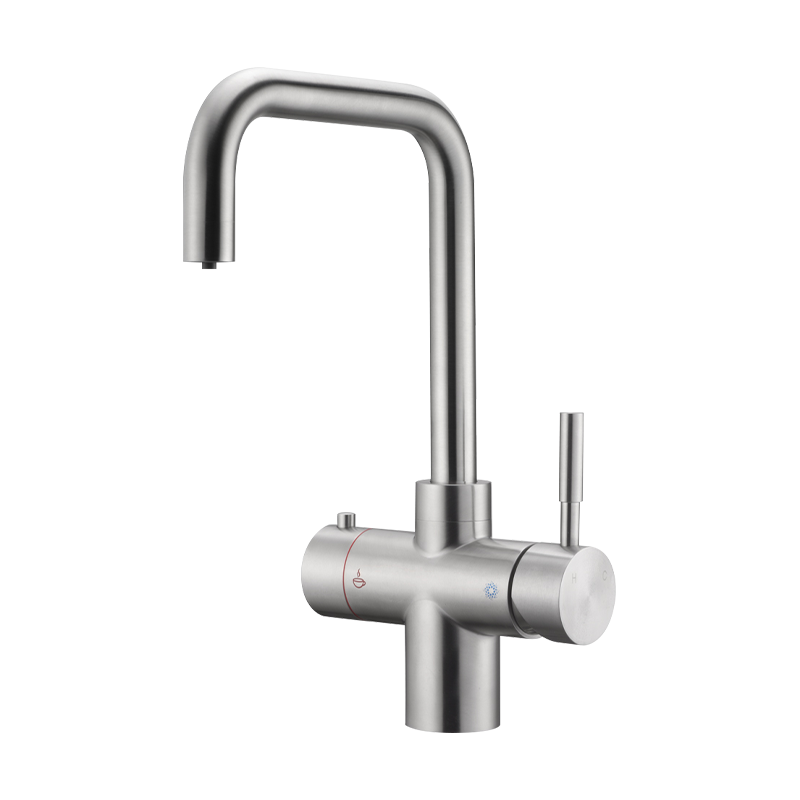
HOT PRODUCTS
Content
- 1 What Is a Built-In Sparkling Water Dispenser?
- 2 Installation Guide: Step-by-Step
- 3 CO₂ Tank Options & Cost Comparison
- 4 Filtration & Water Quality: What You Need to Know
- 5 Built-In vs. Countertop: Which One Is Right for You?
- 6 Maintenance Tips: Keep Your System Running Smoothly
- 7 Top 3 Built-In Sparkling Water Dispensers for Home & Office
A family of four can consume over 200 gallons of sparkling water each year. That's a lot of bottles — or a lot of trips to the store. A built-in sparkling water dispenser eliminates both.
What Is a Built-In Sparkling Water Dispenser?
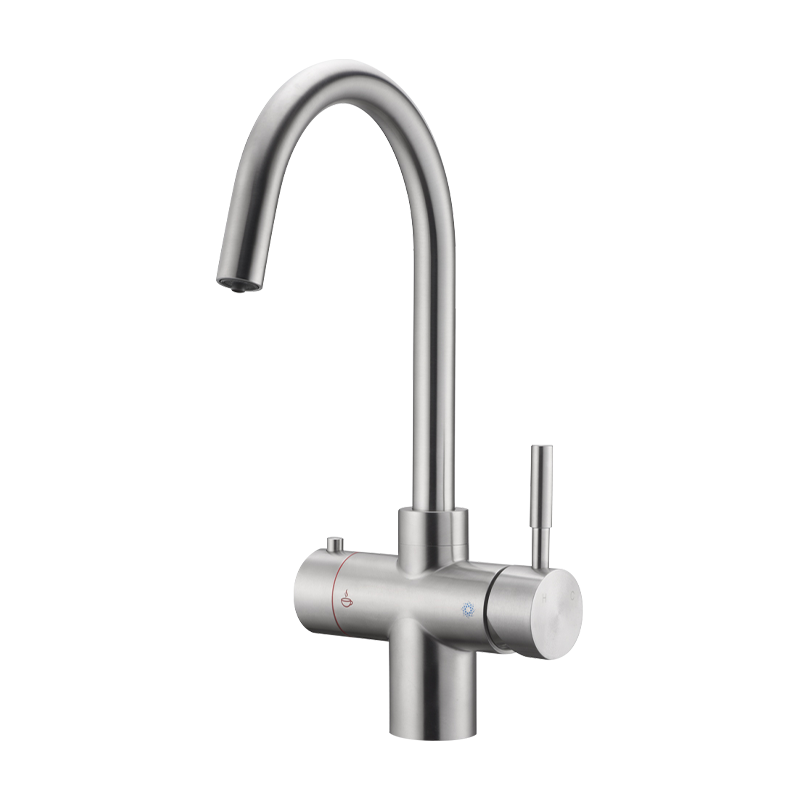
A built-in sparkling water dispenser is an undercounter system that connects directly to your home's water supply and a CO₂ tank. A dedicated faucet mounts on the counter, delivering chilled still or sparkling water on demand. The main unit — containing the carbonator, chiller, and filters — hides beneath the sink, out of sight.
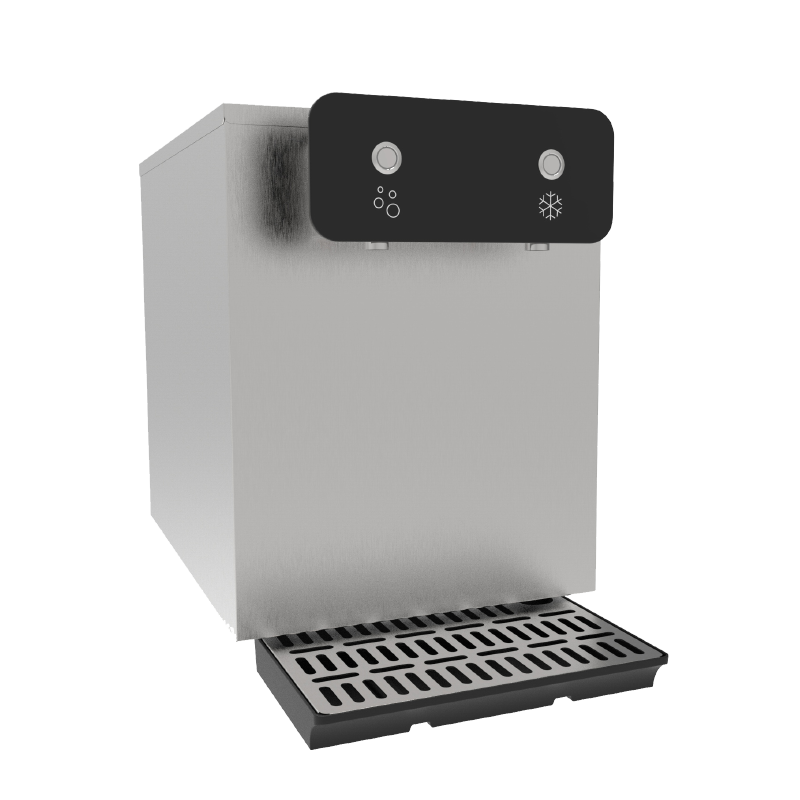
The key advantage over countertop carbonators is the uninterrupted flow. You never refill a water reservoir; the system draws from the plumbing line. For a family that drinks sparkling water daily, this means unlimited supply without manual labor. Commercial kitchens and offices value the same benefit, especially with units like our FCD06A undercounter sparkling water dispenser, which handles high demand with minimal footprint.
Most built-in setups include a multi-stage filtration system, a cooling module, and a CO₂ injection mechanism. The result is consistent carbonation levels and purified water that tastes cleaner than bottled alternatives.
Installation Guide: Step-by-Step
Installing a built-in sparkling water dispenser requires basic plumbing and electrical skills. While many homeowners complete the job themselves, hiring a licensed plumber ensures compliance with local codes. The process typically takes 2–4 hours for a standard under-sink cabinet.
Before you start, gather these tools: an adjustable wrench, Teflon tape, a drill with a 1⅜-inch hole saw for the faucet, and a Phillips screwdriver. Shut off the cold water supply under the sink and unplug any nearby electrical installations.
- Mount the faucet. Drill a hole in the counter or use an existing sink cutout. Drop the faucet through and secure the mounting nut underneath.
- Install the water supply tee. Turn off the cold water valve, disconnect the existing line, and insert a tee adapter. Use Teflon tape on threads to prevent leaks. Reconnect the original line to one tee outlet and attach the dispenser's water inlet hose to the other.
- Connect the CO₂ tank. Place the CO₂ cylinder inside the cabinet. Attach the high-pressure regulator and secure the gas line. Double-check that the regulator is set to the manufacturer's recommended pressure — usually between 3 and 5 bar.
- Position the main unit. The chiller-carbonator unit should rest on a stable shelf or cabinet floor. Leave at least 6 inches of clearance around it for ventilation. Connect the water inlet, gas line, and faucet lines to the unit's quick-connect fittings.
- Plug into power. Most units run on a standard 110V outlet. Use a GFCI-protected circuit as a safety measure. Wait for the cooling system to reach temperature — this can take 30–45 minutes.
- Test for leaks and carbonation. Turn on the water, open the faucet to purge air, then check all joints for moisture. After a few minutes, dispense sparkling water and taste. Adjust the CO₂ pressure if the bubbles feel too sharp or flat.
Keep in mind that countertop opening diameter is standard at 35mm for most dedicated sparkling water faucets. Verify your chosen model's specifications before drilling.
CO₂ Tank Options & Cost Comparison
The biggest ongoing expense for a built-in system is CO₂ refills. Tanks come in several sizes, and your choice directly impacts convenience and monthly cost. To estimate your monthly expense, use this formula:
Monthly CO₂ cost = (monthly sparkling water consumption in liters / tank yield in liters) × refill cost.
The table below compares three common tank sizes used in built-in dispensers. A typical household that drinks 4 liters of sparkling water per day (120 L/month) will see clear differences in refill frequency.
| Tank Type | CO₂ Capacity | Approx. Sparkling Water Yield | Refill Cost (estimated) | Refill Frequency | Monthly Cost |
|---|---|---|---|---|---|
| Small cartridge (8 g) | 8 grams | 60 liters | $10–$15 per pack (varies) | 1–2 times per month | $20–$30 |
| Medium cylinder (60 L equivalent) | Useful capacity ~425 g | 60 liters | $15–$25 (exchange) | 0.5–1 time per month | $15–$25 |
| Large cylinder (425 g, 5–10 lb) | 425 g | 120–210 liters | $20–$40 (refill or exchange) | Every 1–2 months | $10–$20 |
Large cylinders dramatically reduce monthly cost because you pay less per gram of CO₂. Switching from small cartridges to a 5-pound tank can cut your CO₂ expense by more than 50%. Most undercounter systems are compatible with refillable steel cylinders that you can swap at local beverage gas suppliers or through mail-in exchange programs. Check your dispenser's specs before committing.
Filtration & Water Quality: What You Need to Know
Water quality has a direct impact on the taste and mouthfeel of your sparkling water. Built-in dispensers often integrate multiple filtration stages before carbonation. The three most common technologies are carbon block, ultrafiltration (UF), and reverse osmosis (RO).
Carbon filters remove chlorine, odors, and organic compounds that cause off-flavors. UF membranes trap particles down to 0.01 microns, including bacteria, while retaining healthy minerals. RO membranes filter down to 0.0001 microns, stripping nearly all dissolved solids — but they also remove minerals that can soften the water's body and require a remineralization cartridge for the best taste.
| Filter Type | Pore Size | Removes | Effect on Sparkling Water Taste |
|---|---|---|---|
| Carbon block | 1–5 microns | Chlorine, VOCs, sediment | Eliminates chemical aftertaste; preserves mineral profile |
| Ultrafiltration (UF) | 0.01 microns | Bacteria, viruses, microplastics | Keeps minerals for a crisp, mouth-filling sensation |
| Reverse osmosis (RO) | 0.0001 microns | Salts, heavy metals, fluoride, nearly all TDS | Very clean but flat if not remineralized; benefits from a mineral cartridge |
For the average household, a carbon-plus-UF combination offers an excellent balance. It removes chlorine and contaminants while maintaining the natural mineral content that makes sparkling water taste lively. If your tap water has high hardness or heavy metals, an RO system with remineralization is worth the extra investment.
Built-In vs. Countertop: Which One Is Right for You?
Both built-in undercounter systems and portable countertop carbonators have their place, but they serve different daily routines. The choice hinges on how much you drink, how much space you have, and your willingness to handle refills.
| Factor | Built-In Undercounter | Countertop Carbonator |
|---|---|---|
| Installation | Requires under-sink plumbing, CO₂ tank mounting, and faucet cutout; best done by a pro or experienced DIYer. | No permanent installation; place on counter, plug in (some models), and insert a CO₂ cartridge or small cylinder. |
| Space | All hardware hidden under sink; counter stays clear except for the faucet. | Occupies counter space; some models are tall and need clearance. |
| Water supply | Unlimited, drawn directly from the building's water line. | Requires manual refilling of a water reservoir — every 1–2 days for a family of four. |
| CO₂ refill frequency | Large cylinders last months; lower cost per liter. | Small cartridges or small cylinders need replacement every few weeks; higher per-liter cost. |
| Output & chilling | Continuous flow up to 3 L/min (home) or 5+ L/min (office); cold water always ready. | Limited to 0.8–1.2 L per batch; water must be chilled beforehand or unit has passive cooling. |
| Maintenance | Filter and CO₂ cylinder changes every 6–12 months; occasional descaling. | Frequent cartridge swaps; easy to clean with vinegar; simpler overall. |
If you host regularly, run a busy office, or simply want a permanent “always on” solution, the built-in dispenser outweighs the upfront effort. It becomes a transparent part of the kitchen. A countertop unit suits renters, occasional sippers, and those who want to start without drilling a single hole.
Maintenance Tips: Keep Your System Running Smoothly
Neglecting routine care leads to flat drinks, off-tastes, and premature wear. Three simple tasks keep a built-in dispenser in top shape.
- Replace the CO₂ cylinder on schedule. Don't wait until the water goes completely flat. Most households swap tanks every 2–6 months, depending on tank size and usage. Mark your calendar or install a pressure gauge that alerts you when the pressure drops below 2 bar.
- Change the water filters regularly. Carbon and UF cartridges need replacement every 6–12 months, while RO membranes can last 2–3 years. A clogged filter reduces flow rate and allows off-tastes to creep in. Some units have a LED indicator; if not, note the installation date on a sticker inside the cabinet.
- Descale the water path annually. Hard water builds up mineral deposits inside the carbonator and chiller lines. Running a food-grade descaling solution through the system once a year preserves carbonation efficiency and cooling performance. Follow your dispenser's manual — some models have a dedicated cleaning mode.
Spending 15 minutes every few months on these tasks adds years to the machine's life and ensures every pour tastes as crisp as the day it was installed.
Top 3 Built-In Sparkling Water Dispensers for Home & Office
Not all undercounter systems are created equal. The right model matches your daily demand, available cabinet space, and budget. Here are three stellar options that cover a range of needs.
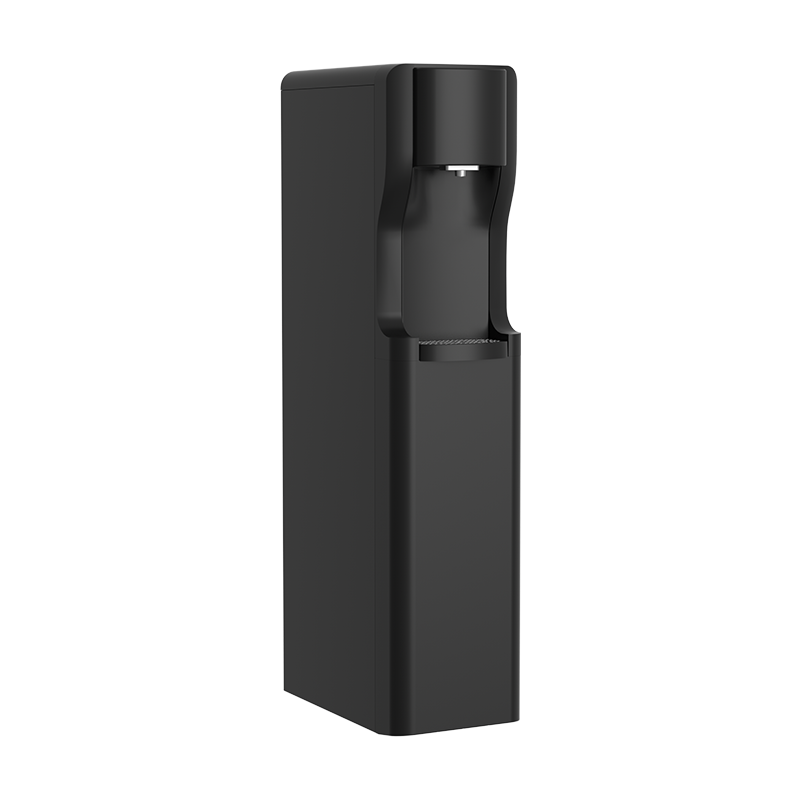
1. Compact Home System: The FST Series Undercounter Dispenser
For families that want cold, sparkling water without sacrificing under-sink storage, a slim-profile unit is essential. Our home undercounter sparkling water systems boast a footprint under 40 cm wide, leaving room for cleaning supplies. Despite the compact size, they deliver up to 2 L/min of perfectly chilled water. Dry cooling technology keeps energy consumption low — averaging 0.5 kWh per day — and the integrated UF filtration removes 99.9% of bacteria while maintaining a lively mineral taste.
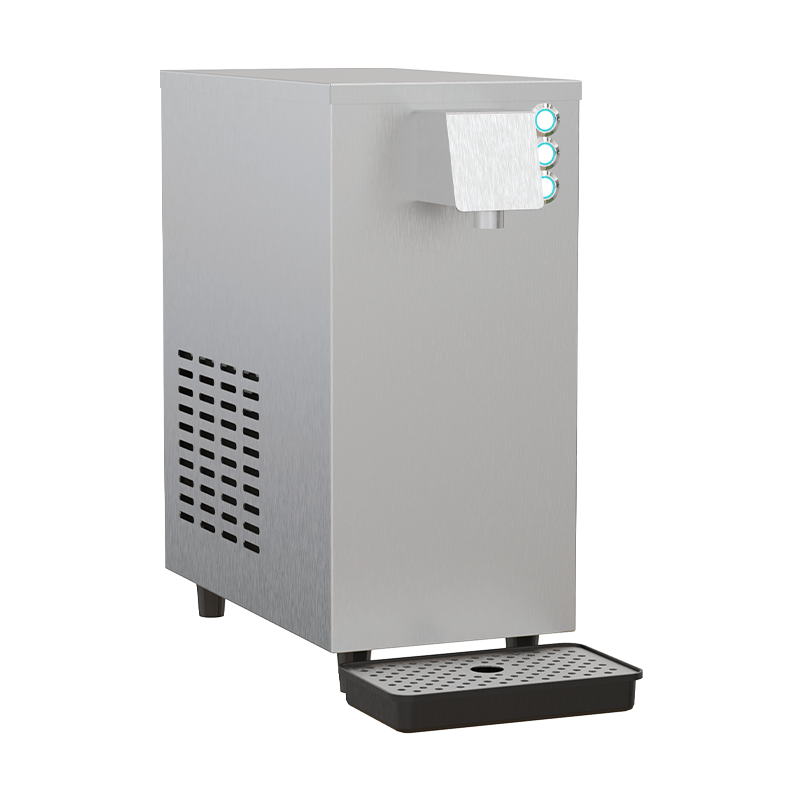
2. High-Volume Office Performer: BSD150A Triple-Mode Dispenser
In busy office pantries, a dispenser must keep up with back-to-back pours during the morning rush. The BSD150A triple-mode undercounter dispenser produces chilled sparkling, chilled still, and ambient water from separate outlets. It sustains over 20 consecutive cups without a dip in temperature, thanks to a robust compressor that cools water to 4°C in seconds. With a 425 g CO₂ cylinder, offices can expect replacement only every 2–3 months even with daily consumption exceeding 60 liters.
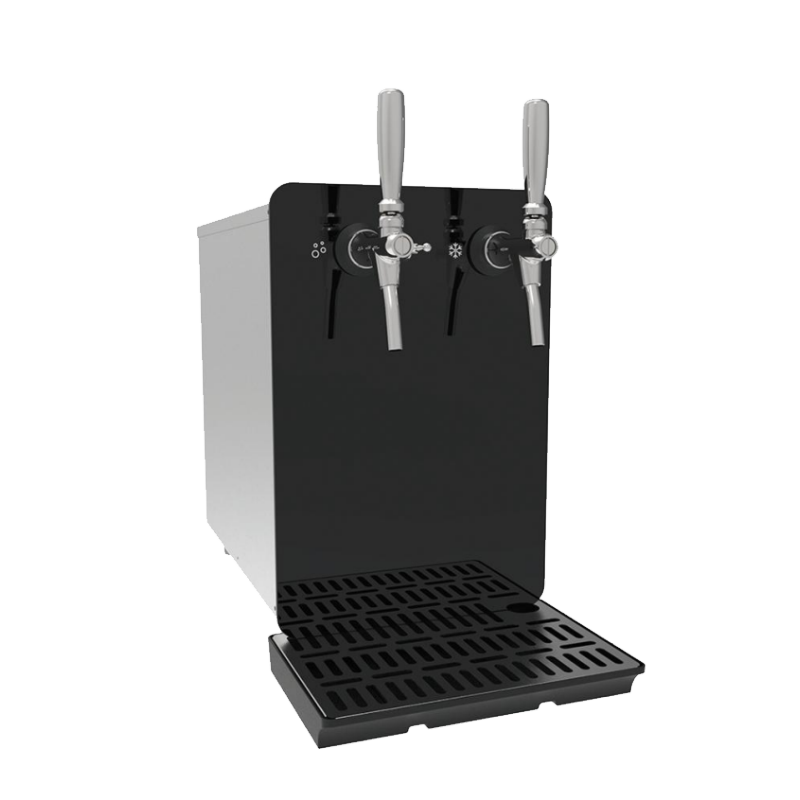
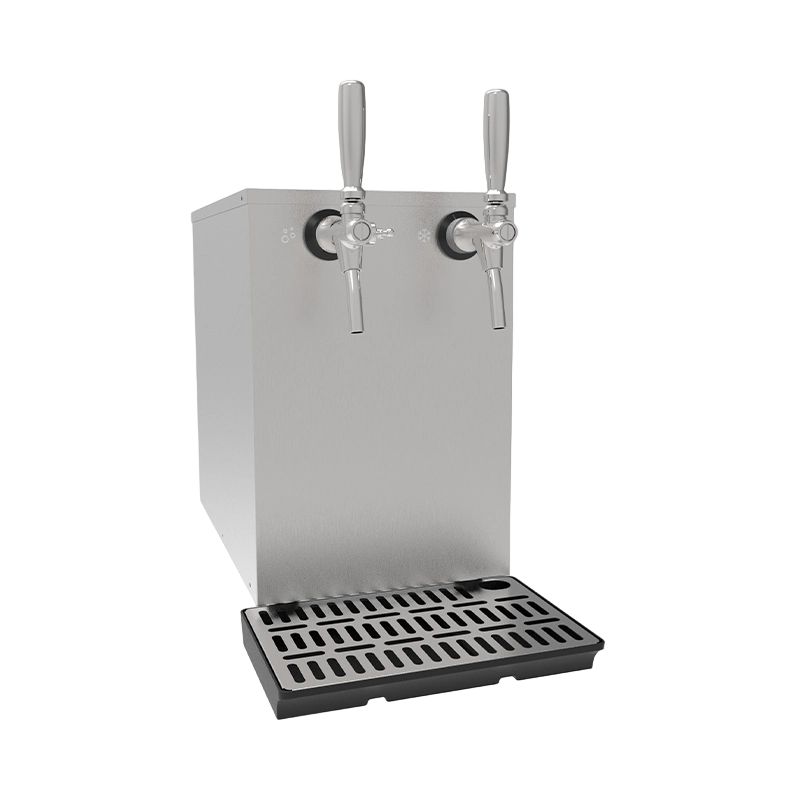
3. Versatile Hybrid: Two-Tap Sparkling & Cold Water Model
Not every installation needs three water types. A two-tap model offering sparkling and chilled still water strikes the perfect balance for small offices, home kitchens, and boutique cafes. Look for units with a universal faucet design that fits standard 35mm countertop holes and a 60 L CO₂ cylinder option that fits in tight cabinets. These units deliver carbonation on demand with a push of a button, and their quiet operation — under 30 dB — makes them nearly undetectable during meetings or late-night drinks.
Before purchasing, confirm your cabinet's height (at least 45 cm clearance above the unit for CO₂ tank access) and depth (40 cm recommended). Also, ensure a nearby GFCI outlet. Those few checks prevent installation surprises.


 ADDRESS
 CONTACT
 EMAIL
EMAIL