




 Language
 English
 Español
HOT PRODUCTS
Content
- 1 What Makes Seltzer Water Sparkling?
- 2 What the Research Says About Seltzer and Tooth Enamel
- 3 Comparing Drinks: Acidity, Sugar and Enamel Risk
- 4 Where the Real Risk to Your Teeth Comes From
- 5 Simple Habits That Protect Enamel While You Enjoy the Fizz
- 6 Why the Water You Carbonate Matters
- 7 Choosing a Home Sparkling Water System: Countertop or Undercounter?
- 8 Frequently Asked Questions
Few questions spark as much friendly debate at the water cooler as this one: does seltzer water harm your teeth? After nearly two decades of designing and building carbonation systems for homes, offices, restaurants and hotels, we hear it constantly — from customers, from beverage buyers, and occasionally from our own dentists. The reassuring short answer is that plain, unsweetened sparkling water is widely considered safe for tooth enamel, and it remains a far better everyday choice than sugary soda or sports drinks. The longer answer depends on what else is in the glass, because carbonation is only one of several factors that decide whether a drink is kind or unkind to your smile.
What Makes Seltzer Water Sparkling?
Sparkling water starts out as ordinary water. Under pressure, carbon dioxide dissolves into it, and a small portion of that gas reacts with the water to form carbonic acid. That is why carbonated water tastes faintly tart and reads as mildly acidic on a pH meter, typically landing between 4.5 and 5.5 compared with roughly 7 for still water. Carbonic acid is a weak acid, and the fizz that carries it disappears quickly, which matters a great deal when we talk about teeth.
Labels can be confusing, so it helps to separate the four drinks that look almost identical in a glass:
- Seltzer or sparkling water: water plus carbon dioxide, nothing else.
- Club soda: carbonated water with added mineral salts such as sodium bicarbonate, which gently push the pH back up.
- Tonic water: carbonated water with sweeteners and quinine.
- Flavored sparkling water: carbonated water with flavoring and, often, citric acid or fruit juice.
Only the last two bring meaningful sugar or extra acid to the party.
What the Research Says About Seltzer and Tooth Enamel
Dental researchers have approached this question from several directions, and the overall picture is calm. Public health bodies such as the American Dental Association have noted that the available studies show plain sparkling water is generally fine to drink, largely because its acidity is weak and short-lived in the mouth. Saliva does a remarkable job of neutralizing a brief acid challenge and restoring a neutral environment around the enamel.
Laboratory work tells a more nuanced story. A study published in a peer-reviewed dental journal examined what happens when carbonated water contacts etched or sealed enamel and found measurable reductions in surface hardness, along with some loss of bonding material. That result deserves context: the researchers were testing treated enamel under controlled, continuous exposure in a laboratory, not a person enjoying a glass of water with dinner. The same study showed that carbonated water fortified with calcium ions was noticeably less damaging, a useful hint that the mineral content of your water influences how gentle the fizz turns out to be.
The practical takeaway from both clinical reviews and lab work is the same: carbonation is not the villain. Frequency, additives, and how long a drink lingers against the teeth are what tip the balance.
Comparing Drinks: Acidity, Sugar and Enamel Risk
Putting everyday drinks side by side makes the pattern clear. Plain sparkling water sits much closer to still water than to cola or juice.
| Drink | Approximate pH | Added sugar | Relative enamel risk |
|---|---|---|---|
| Still water | 7.0 | None | Very low |
| Plain seltzer water | 4.5-5.5 | None | Low |
| Club soda | 5.0-6.0 | None | Low |
| Flavored sparkling water | 3.0-4.0 | Usually none | Moderate |
| Sports drink | 3.0-3.5 | High | High |
| Orange juice | 3.5-4.0 | Natural | Moderate to high |
| Regular cola | 2.5-2.8 | High | High |
Where the Real Risk to Your Teeth Comes From
If plain seltzer is broadly harmless, why do dentists still raise an eyebrow when a patient sips it all day long? Because the habits around the drink matter more than the drink itself.
- Added acids. Citrus flavorings, lemonade-style seltzers and a squeeze of lime all push the pH down and turn a gentle drink into a more erosive one.
- Sugar. Sweetened sparkling drinks feed the bacteria that produce cavity-causing acid.
- Sipping frequency. One glass with a meal is very different from constant sipping over eight hours, because enamel needs time between acid exposures to recover.
- Dry mouth. Saliva is your natural buffer. Medication, mouth breathing or dehydration reduces it, and the same drink becomes harder on enamel.
- Brushing straight after. Brushing while enamel is temporarily softened can wear away surface minerals.
- Existing wear. Receding gums and already-thinned enamel leave less margin for any acidic drink.
Simple Habits That Protect Enamel While You Enjoy the Fizz
- Drink sparkling water with meals rather than sipping it continuously through the day.
- Use a straw so the bubbles bypass the front teeth.
- Do not swish or hold the water in your mouth before swallowing.
- Chase it with a mouthful of plain still water to rinse the surface.
- Wait about thirty minutes before brushing, and use a fluoride toothpaste when you do.
- Choose plain sparkling water most of the time, and treat flavored versions as an occasional variation.
- Add flavor with fresh mint or a single slice of fruit instead of relying on acidic flavor drops.
- Keep up regular dental checkups so small changes in enamel are caught early.
None of these habits requires giving up the fizz. They simply reduce how often and how long your enamel faces an acid challenge.
Why the Water You Carbonate Matters
There is a quiet advantage to making your own sparkling water at home: you decide exactly what goes into it. Machines that carbonate filtered water skip the citric acid, phosphoric acid and sugar that appear on so many commercial labels, and filtration removes the chlorine and sediment that affect taste. If you want to understand how carbonation shifts the pH of drinking water, the short version is that the fizz alone moves plain water only a little, while additives move it a lot.
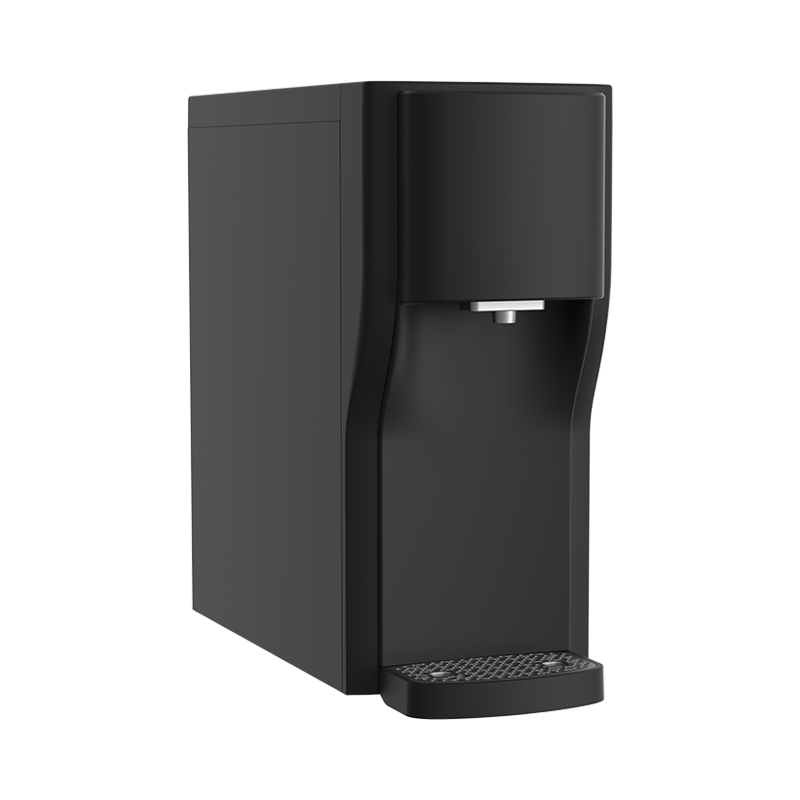
A countertop model with a built-in filter is the most straightforward starting point for a household, since it delivers chilled, filtered sparkling water from the same compact unit.
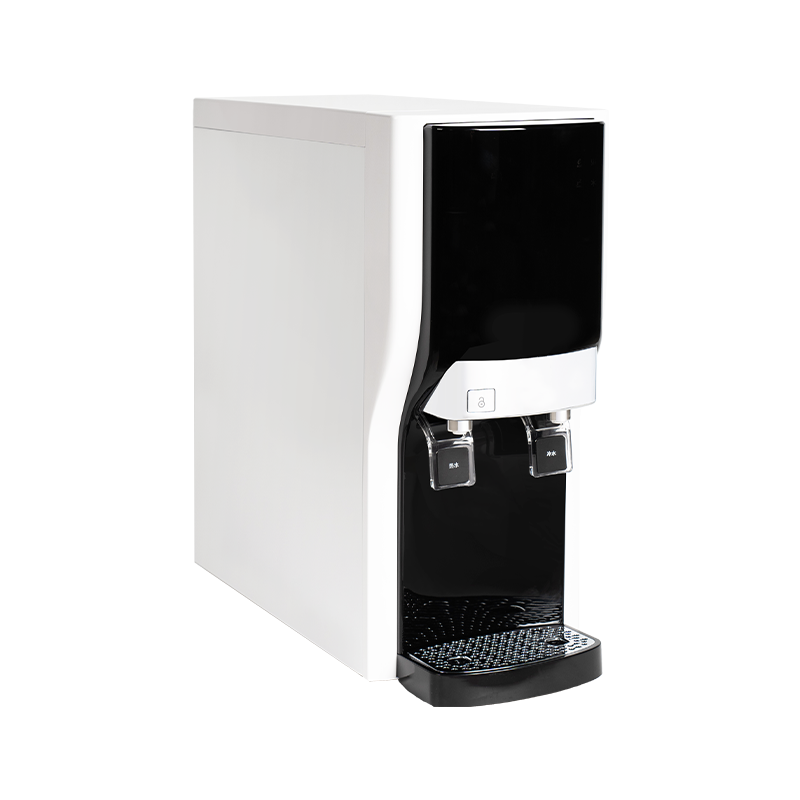 Countertop Sparkling Water Dispenser For Home With FilterThe Countertop Sparkling Water Dispenser for Home with Filter is designed to elevate your hydration experience with unparalleled convenience and quality. This innovati...View Product →
Slightly higher carbonation levels are not automatically worse for your teeth, but very fizzy drinks do taste sharper. If you prefer a softer, gentler glass, look for a system with adjustable carbonation so you can dial the intensity to your own preference.
Choosing a Home Sparkling Water System: Countertop or Undercounter?
Most households choose between two installation styles. Countertop units sit beside the sink, need no plumbing work in many cases, and are easy to move or replace. Undercounter units hide the chiller below the sink and deliver water through a dedicated tap, which keeps the worktop clear and looks tidier in a busy kitchen. Floor-standing models suit larger families, offices and dining rooms where several people draw water at the same time.
Whichever style you pick, three details are worth checking before you buy: whether the unit filters water before carbonating, whether the dispensing tap is metal or plastic, and how simple the machine is to sanitize. Our home water dispenser range covers all three installation types, so you can match the unit to the space you actually have.
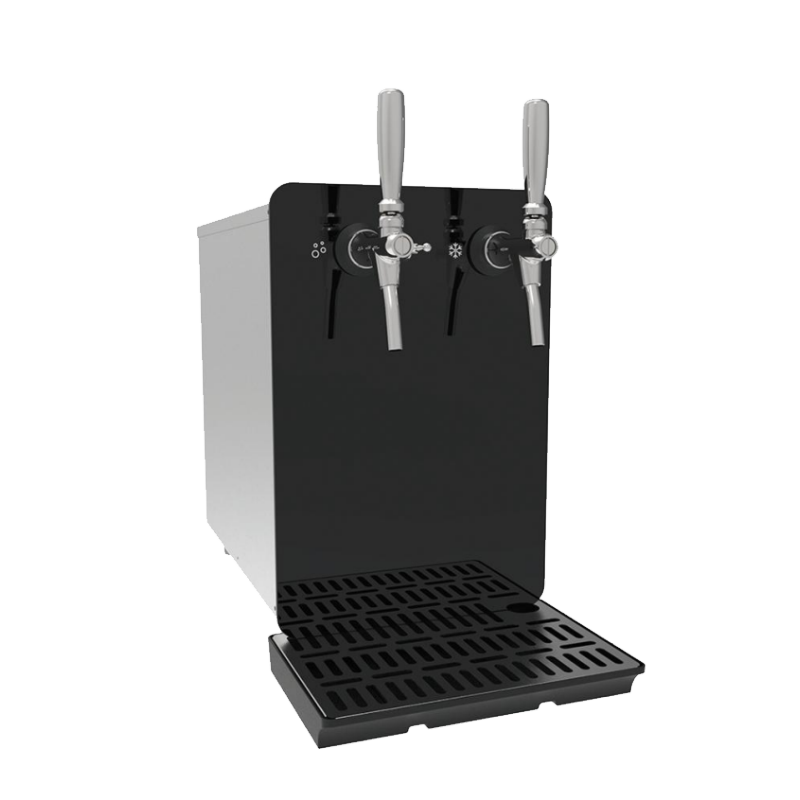
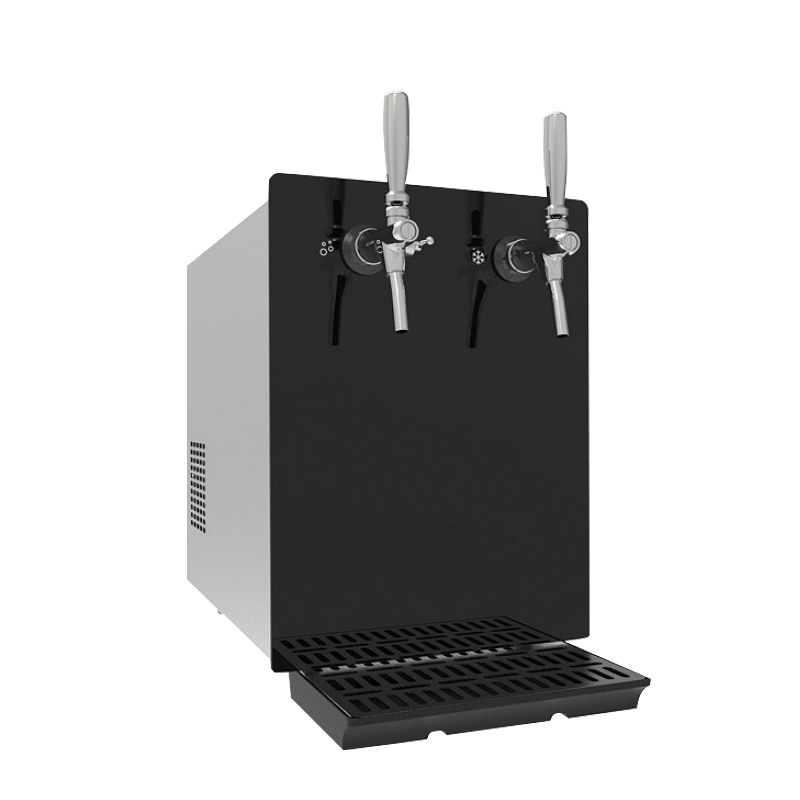
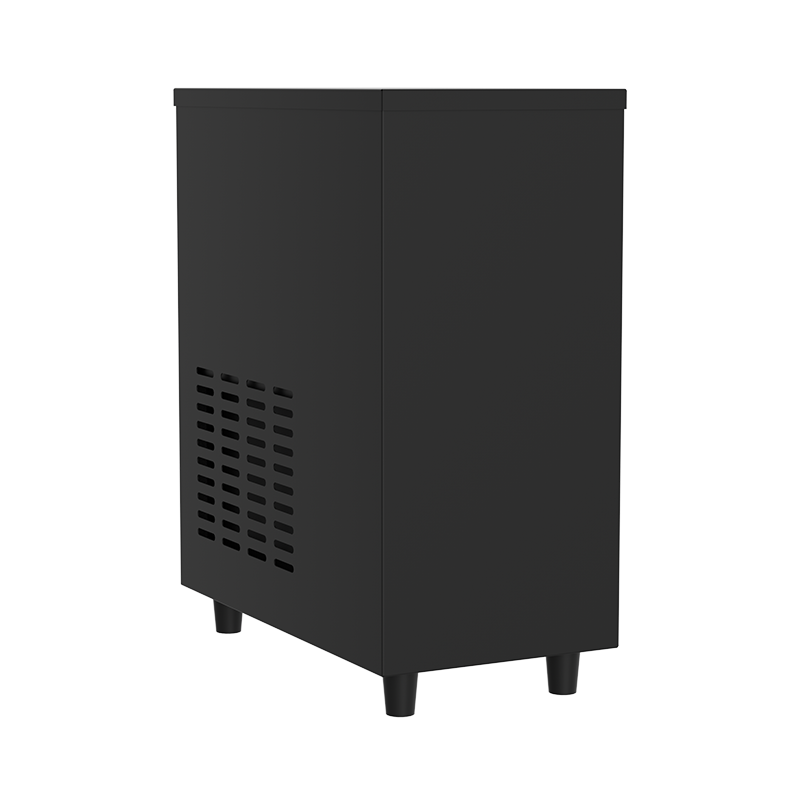
For kitchens where counter space is at a premium, an undercounter model paired with a slim metal tap is a practical answer.
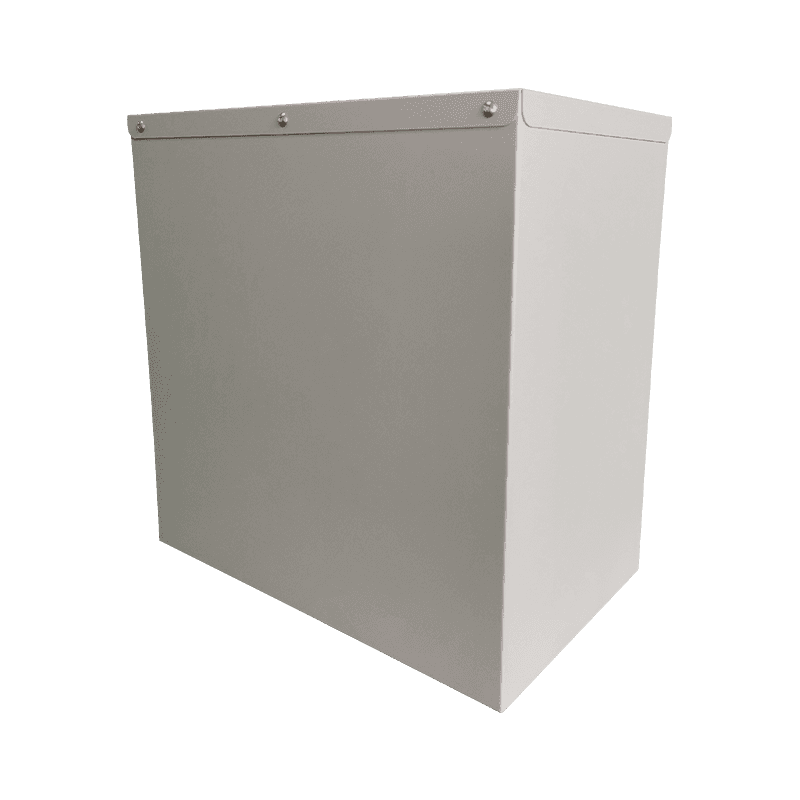 Multifunctional Household Undercounter Sparkling Water DispenserThe Multifunctional Household Undercounter Sparkling Water Dispenser offers a diverse range of drinking water choices, making it a versatile addition to any home or of...View Product →
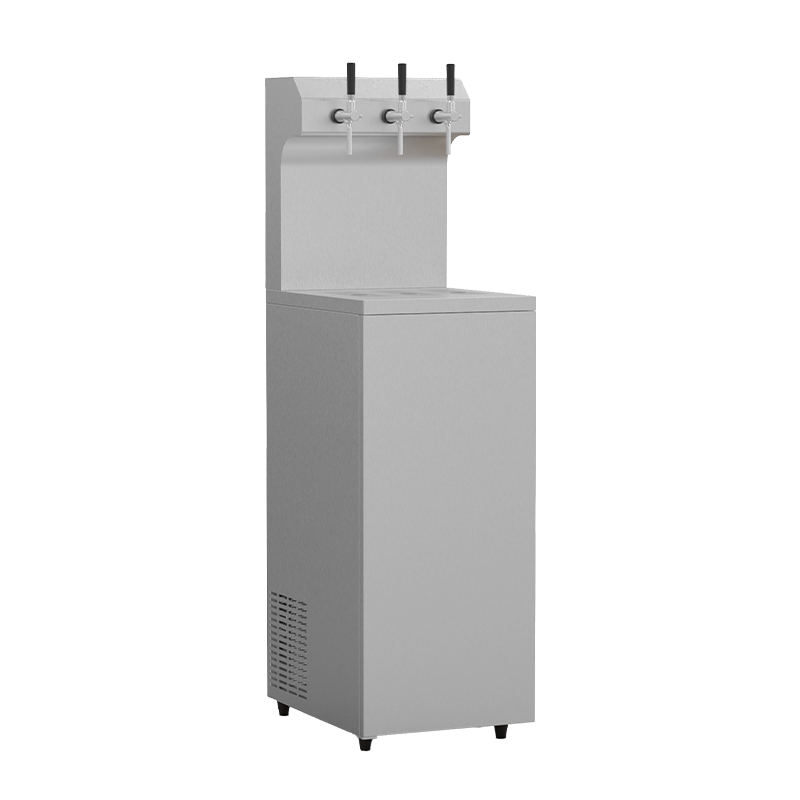
Where several people fill up through the day, or where the kitchen doubles as a dining area, a free-standing unit keeps the supply steady without crowding the sink.
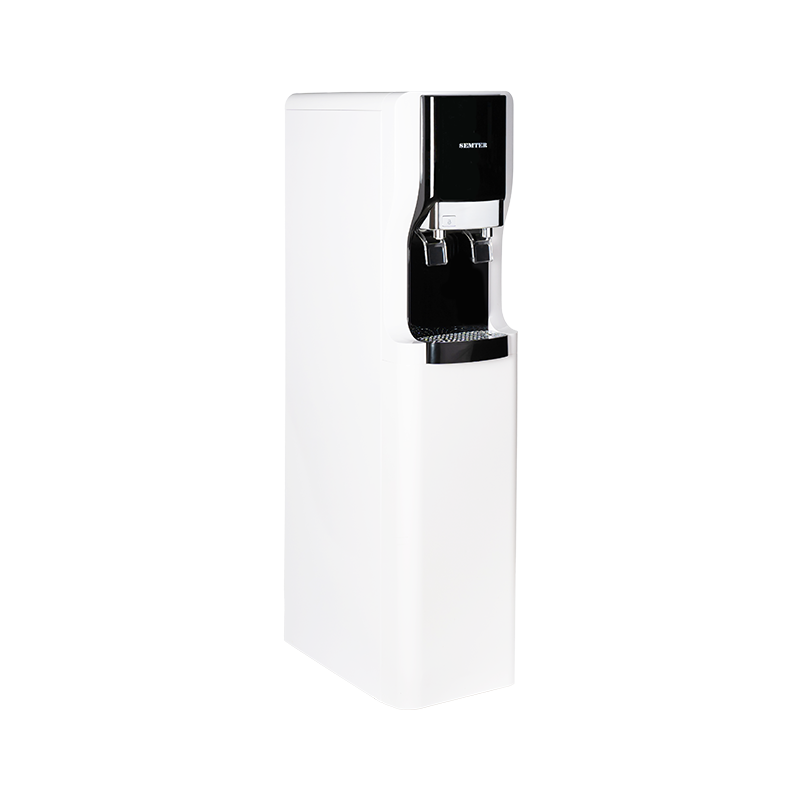 Free Standing Housing Home Floor Standing Sparkling Water DispenserThe free-standing housing home floor-standing sparkling water dispenser is a sleek and modern appliance designed to elevate the drinking experience in any household. I...View Product →
Frequently Asked Questions
Is seltzer water bad for my teeth?
Plain, unsweetened seltzer is generally considered safe. Its weak carbonic acid is quickly buffered by saliva, and it contains no sugar. Problems tend to appear when flavorings, citrus or sugar are added, or when the drink is sipped constantly over many hours.
Does sparkling water erode enamel the way cola does?
No. Cola combines a much lower pH with sugar and, in many recipes, phosphoric acid. Plain sparkling water sits far closer to still water on the pH scale and carries none of those additional factors.
Can I drink sparkling water with braces or after whitening?
Yes, with ordinary care. Rinse with plain water after drinking, avoid acidic flavorings during the first days after whitening, and follow the aftercare instructions your dental professional provides.
The fizz itself is not the enemy of your smile. Sugar, added acids and all-day sipping are. Enjoy your seltzer with meals, keep it plain more often than not, and pair it with the everyday basics of oral care — fluoride toothpaste, regular checkups and plenty of plain water. A cold glass of sparkling water you carbonate yourself, from water you have filtered, remains one of the simplest pleasures of a well-hydrated day, and your teeth can happily come along for the ride.


 ADDRESS
 CONTACT
 EMAIL
EMAIL