




 Language
 English
 Español
HOT PRODUCTS
Content
- 1 What Soda Water Actually Contributes to a Cocktail
- 2 Club Soda, Seltzer, Tonic and Sparkling Water: Reading the Label
- 3 Temperature and Carbonation: What You Can Taste
- 4 Matching the Fizz to the Drink
- 5 Technique: How to Pour Without Losing the Fizz
- 6 Common Mistakes That Flatten a Good Drink
- 7 When You Serve Them All Night: Equipment That Keeps Up
- 8 Water Quality, Filtration and Consistency
Soda water is the quietest ingredient on the bar. It has no colour, no sugar and barely any flavour of its own, yet the bottle you choose and the way you pour it decide whether a highball tastes bright and lifted or hollow and flat a minute after it is built. For anyone who mixes drinks regularly, carbonated water is less a filler than a piece of engineering: bubbles, temperature and mineral content all shape the finished glass.
This guide covers what soda water actually contributes to a cocktail, how club soda and seltzer differ from it, how carbonation behaves in a cold glass, and what to look for when you need reliable fizz on demand rather than by the bottle.
What Soda Water Actually Contributes to a Cocktail
Every carbonated drink does three jobs at once. First, it dilutes, and it does so more gently than stirring alone, which lets you adjust strength at the last moment rather than guessing earlier. Second, it changes texture: carbon dioxide creates a light, prickly structure that makes a strong spirit feel softer and a sweet drink feel drier. Third, it lifts aroma. As bubbles break at the surface, they carry volatile compounds upward, which is why a highball smells more expressive than the same liquid served still.
One nuance is worth remembering: carbonated water is not neutral. Dissolved carbon dioxide forms carbonic acid, so the water sits slightly acidic, often in the pH 4 to 5 range. That gentle tang is precisely what makes a rich drink taste cleaner and a syrupy one taste lighter.
Club Soda, Seltzer, Tonic and Sparkling Water: Reading the Label
Shelves are not consistent about names. The same fizz can be sold as soda water, club soda, seltzer or sparkling water, and the differences become obvious once you pour.
| Type | What is added | Flavour profile | Where it works best |
|---|---|---|---|
| Seltzer | Nothing but water and CO2 | Clean, neutral, faintly tart | Drinks where you control every other flavour |
| Club soda | Mineral salts such as sodium bicarbonate | Slightly salty, rounded | Spirit-forward highballs, collins-style drinks |
| Soda water | Water plus dissolved minerals, carbonated | Soft salinity, medium bite | Whisky highballs, spritzes, bar service |
| Tonic water | Quinine, sugar, sometimes botanicals | Bitter and distinctly sweet | Gin and tonic, bitter aperitivo serves |
| Sparkling mineral water | Naturally occurring minerals, often stronger fizz | Textured, sometimes chalky | Drinking neat, delicate spritzes |
For most spirit-forward highballs, club soda or plain soda water is the conventional choice, because the minerals flatter whisky, gin and tequila. Seltzer suits drinks where you are already adding citrus, syrup and bitters and do not want another layer of flavour. Tonic water is a different animal altogether: it belongs in a gin and tonic, not in a collins.
Temperature and Carbonation: What You Can Taste
Cold liquid holds more dissolved carbon dioxide than warm liquid, and it releases it more slowly. A soda poured at four degrees keeps its bead far longer than one poured at room temperature, and it feels finer on the palate. This is why a well-chilled bottle that has never been shaken outperforms a warm one, even when both are identical in brand and age.
Ice matters just as much. Large, dense cubes melt slowly and give the drink a stable base, while crushed ice creates hundreds of nucleation points that strip carbonation out of the liquid within minutes. If a drink is meant to stay lively at the table for ten minutes, one big cube beats a full glass of crushed ice.
Bubble size also shapes perception. Fine, persistent bubbles read as creamy and integrated, while large, aggressive bubbles taste sharp and fade quickly. That is one reason freshly carbonated water, made at the right temperature, often outperforms a bottle that has been open in the fridge since yesterday.
Matching the Fizz to the Drink
- Whisky highball: very cold soda water with a firm bead, poured slowly over one large cube so the whisky stays aromatic rather than watery.
- Tom Collins and other collins builds: club soda, because the mineral edge sharpens lemon and sugar without adding bitterness.
- Spritz and Americano-style serves: a lighter, finer carbonation so the aperitivo bitter stays in front.
- Mojito and rum highballs: soda added last, barely stirred, so mint oils stay intact and the drink does not go flat while it is muddled.
- Tequila and Paloma-style drinks: a punchier soda water stands up to grapefruit and salt without disappearing.
Technique: How to Pour Without Losing the Fizz
- Chill the glass, the soda and the spirits before you start. Warm glassware costs you aroma and bubbles at the same time.
- Build the base over ice and stir until it is properly chilled and diluted. Carbonation should never be used to hide a warm drink.
- Open the bottle gently and pour down the inside of the glass or along a bar spoon to reduce turbulence.
- Add soda last, usually a quarter to a third of the total volume, then stir once or twice with a long spoon.
- Garnish and serve immediately. A drink waiting at the pass loses more sparkle than any other part of the build.
Common Mistakes That Flatten a Good Drink
- Using soda that has been stored warm or next to the dishwasher.
- Reaching for a bottle that has been open in the fridge for several days.
- Shaking a drink that contains carbonation instead of rolling or stirring it.
- Over-stirring after the soda goes in, which releases most of the gas in seconds.
- Filling the glass with crushed or wet ice that melts into the drink before it reaches the guest.
When You Serve Them All Night: Equipment That Keeps Up
Bottles are fine for a home bar and awkward for a busy one. Once a venue serves sparkling drinks across a full service, the practical questions become how fast the water carbonates, how cold it stays, and how much counter or back-bar space the equipment takes. Our own focus for more than fifteen years has been building carbonation systems for homes, offices and hospitality spaces, and the honest answer is that the right format depends on the room rather than on the specification sheet.
Countertop units
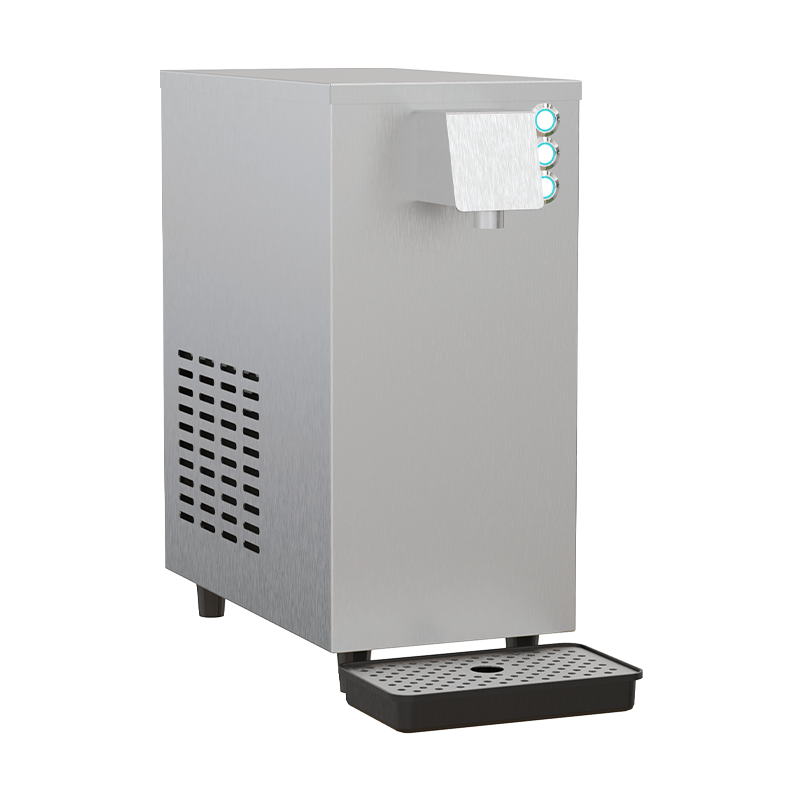
For coffee bars, small restaurants and pop-up service, a countertop dispenser puts sparkling water within arm's reach of the person pouring. Look for a model that delivers instant carbonation and lets the operator decide the pour size, which keeps a whisky highball consistent whether it is the third drink of the shift or the thirtieth.
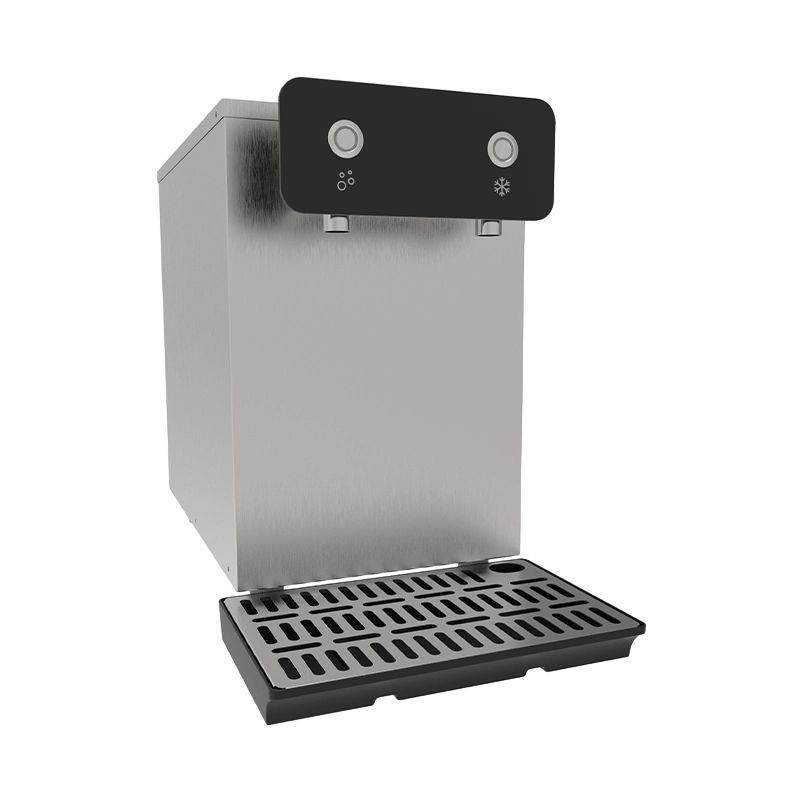 BST30B Countertop Instant Sparkling Water Dispenser with Custom PourA countertop HoReCa dispenser with two buttons and customizable pour volume, suited to coffee bars and small venues needing instant sparkling water.View Product →
Undercounter systems and taps
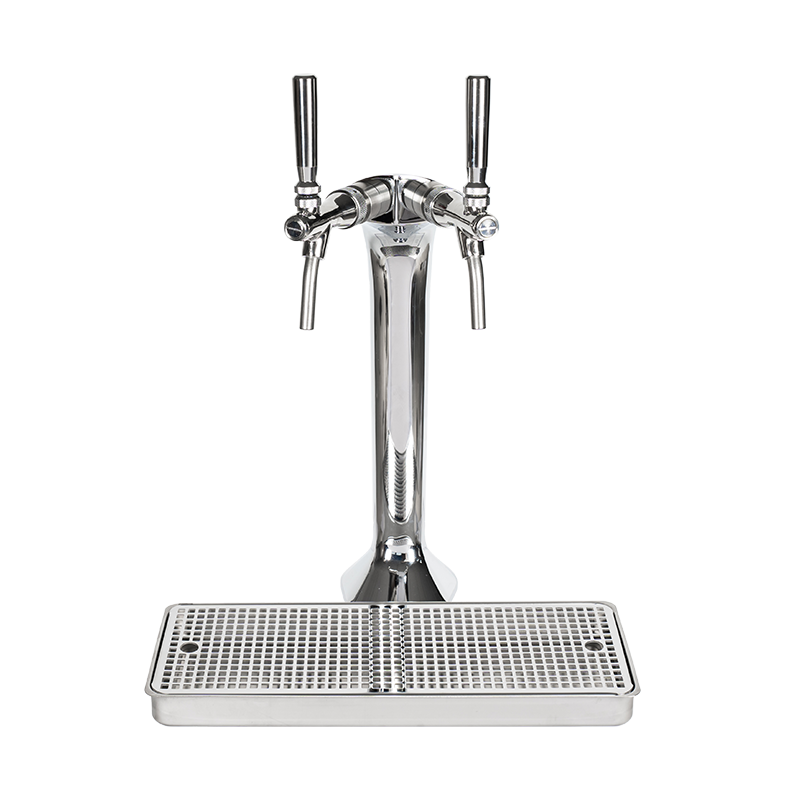
Where the bar top is precious, an undercounter unit hides below the sink and delivers through a dedicated tap or dispense tower. This suits venues that want soda water, chilled still water and ambient water from the same station, with the fizz produced at the point of service rather than in a bottle.
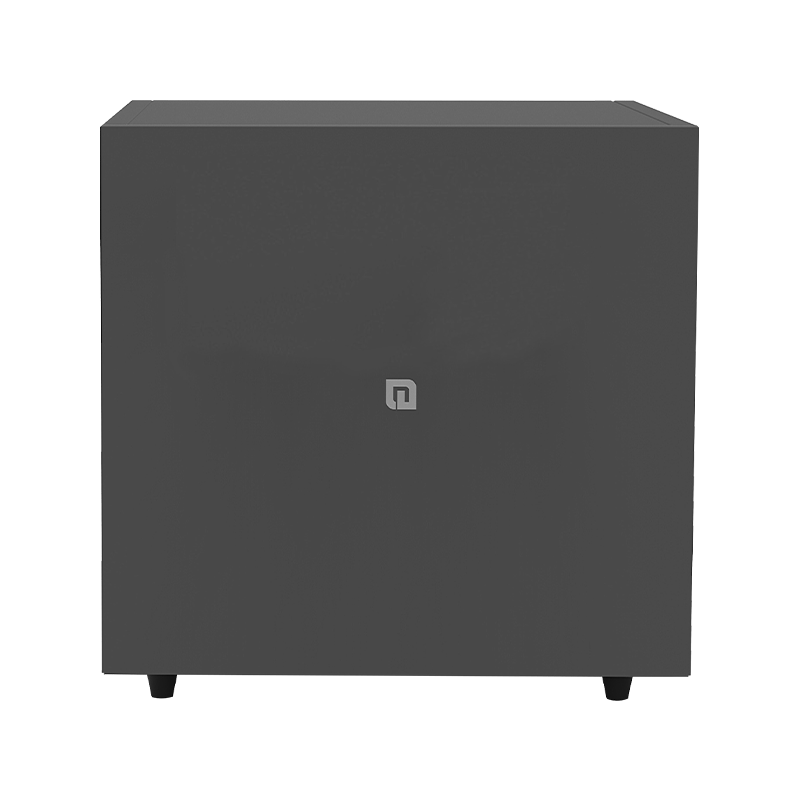 BSD90A 3-Mode Undercounter Sparkling Water Dispenser for Commercial HydrationSpace-saving undercounter model offering sparkling, cold and ambient water options, ideal for HoReCa and gym hydration stations with 90 L/h cooling.View Product →
Floor-standing stations
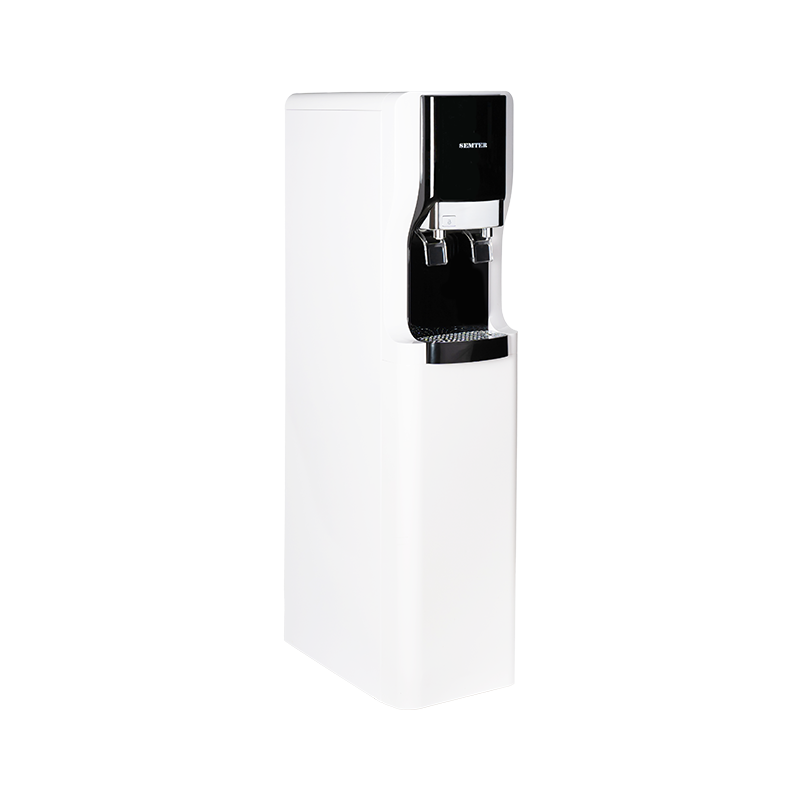
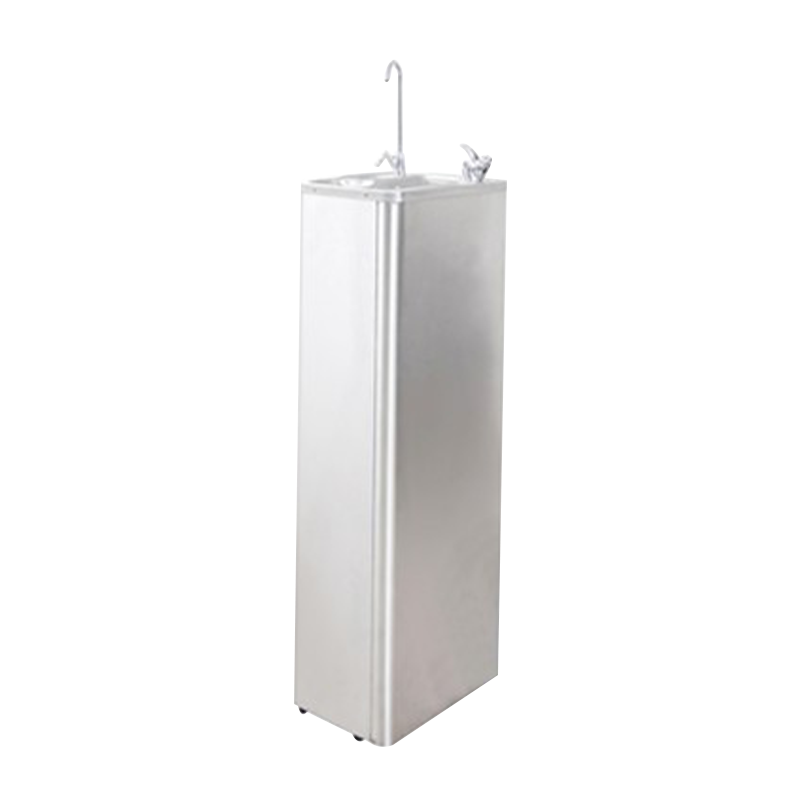
Hotel lobbies, buffet lines and event spaces need volume and simultaneous access. Free-standing stations with multiple faucets handle back-to-back pouring without a queue forming, and they keep the working area tidy when guests serve themselves.
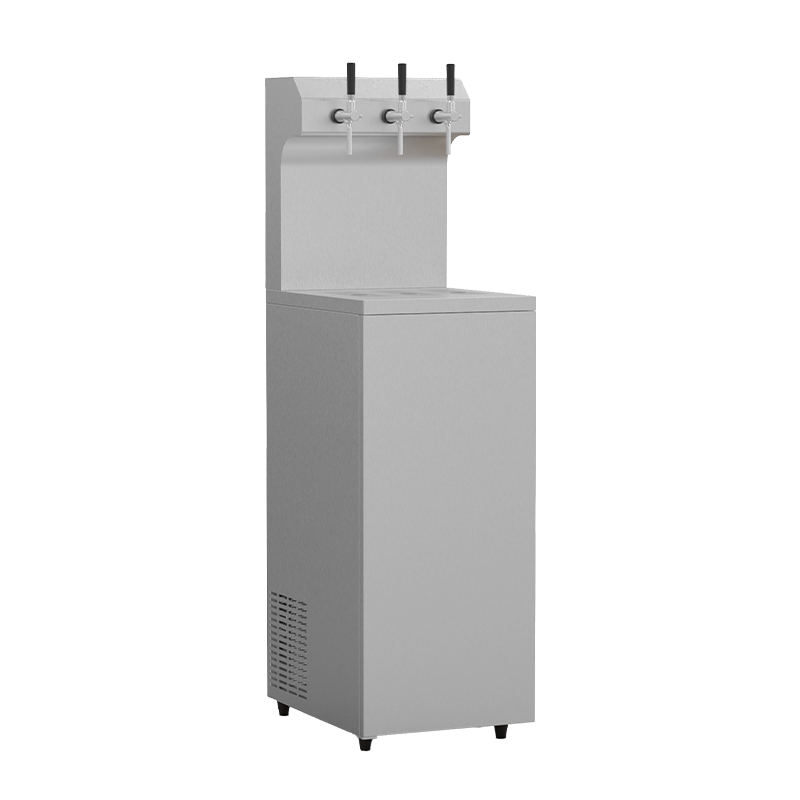 BAS60A / 90A Free-Standing Chilled and Sparkling Water DispenserA floorstanding hydration station for busy hospitality and public spaces, with chilled and sparkling water variants and a compact vertical design for easy servicing.View Product →
Water Quality, Filtration and Consistency
The best bubbles cannot rescue poor water. High mineral content, chlorine or sediment will come through in a drink that contains almost nothing else, which is why filtration and a stable water source matter as much in a soda system as they do in a coffee programme. Food-grade carbon dioxide and clean lines are the other half of the equation; a dispenser serviced on a regular schedule simply tastes better than one that is not.
For buyers comparing systems, safety documentation is a reasonable shortcut to quality. Equipment carrying UL, NSF, CE and CB approvals has been assessed for electrical and water-contact safety in the markets that require them. If you are planning a full beverage programme rather than a single machine, our team has also written about how sparkling water programmes work in restaurants, including the practical side of maintenance and service flow.
Soda water rewards attention more than most ingredients. Keep it cold, choose the style to match the drink, pour it gently and serve it quickly, and a simple highball becomes the most refreshing thing on the menu. Get it wrong and even a perfectly stirred cocktail arrives tired.
If you are weighing up equipment for a home kitchen, an office pantry or a busy bar, the useful question is not which machine is biggest, but how many sparkling drinks you pour in an hour and where the person pouring them is standing. Answer that honestly and the choice usually makes itself.


 ADDRESS
 CONTACT
 EMAIL
EMAIL