




 Language
 English
 Español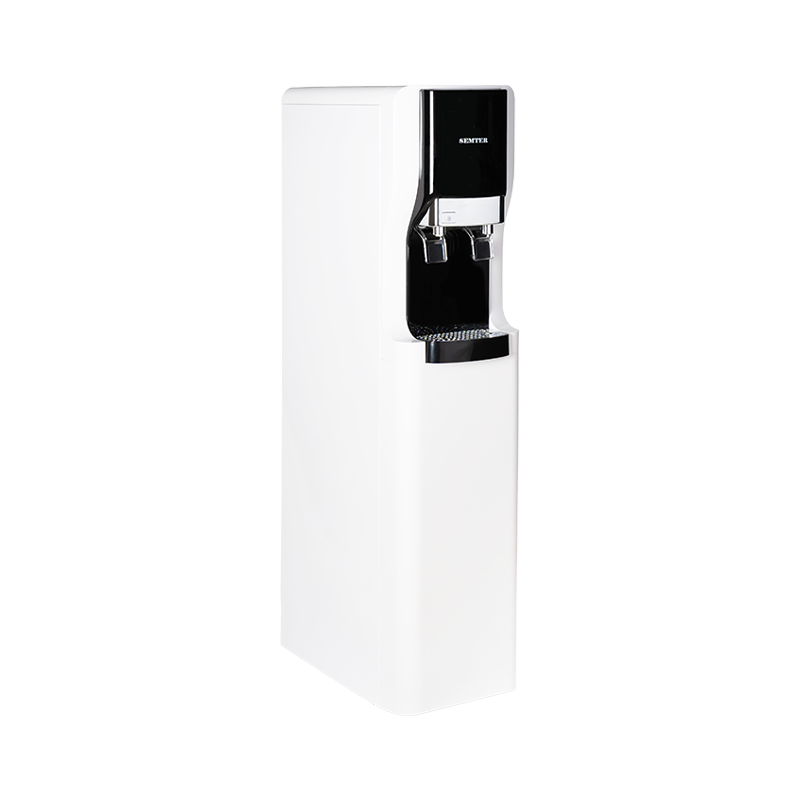
HOT PRODUCTS
Content
- 1 What Type of Soda Dispenser Does a Bar Actually Need?
- 2 How a Traditional Bar Soda Gun System Works
- 3 The Case for Built-In Sparkling Water Dispensers in Modern Bars
- 4 Key Features to Look for When Choosing a Bar Soda Dispenser
- 5 Countertop, Undercounter, or Floor-Standing: Which Format Fits Your Bar?
- 6 Compliance and Certification Standards for Bar Beverage Equipment
- 7 Maintenance Practices That Protect Drink Quality and Equipment Life
A busy bar runs on speed — and the moment a bartender has to fumble with bottles or wait on a slow pour, the rhythm breaks. That's why the right soda dispenser isn't just a convenience; it's infrastructure. Whether you're outfitting a craft cocktail lounge, a high-volume sports bar, or a hotel lobby bar, the dispensing system you choose directly shapes drink quality, service pace, and long-term operating costs.
This guide walks through the main types of bar soda dispensers, what separates a well-suited system from the wrong one, and how modern built-in options are quietly changing expectations in professional bar environments.
What Type of Soda Dispenser Does a Bar Actually Need?
Not every bar has the same dispensing needs, and the market reflects that with several distinct system types. The most traditional is the soda gun (bar gun) — a handheld device connected to a flexible hose, capable of dispensing multiple carbonated and non-carbonated beverages through a single unit. Soda guns are compact and fast, which is why they remain common in high-volume settings.
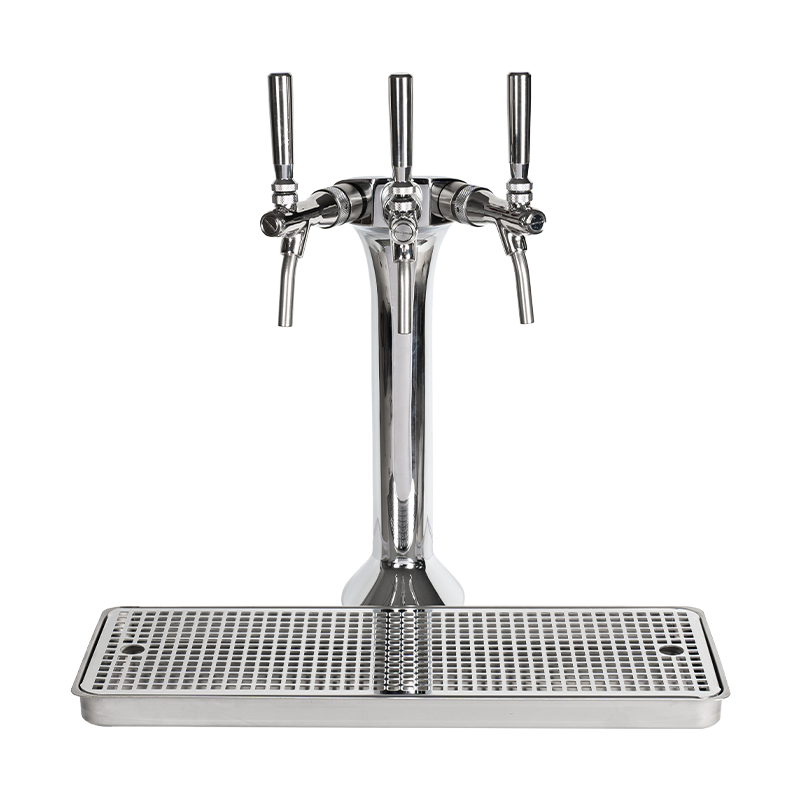
Tower dispensers take a different approach, mounting upright on the bar top with separate taps for each flavor. They're more visible and often used where aesthetics matter as much as throughput. Then there are built-in sparkling water dispensers — a growing category in modern bars and hospitality venues — which integrate directly into the back bar and deliver chilled, carbonated water on demand without syrup systems or CO₂ calibration hassles at the point of service.
For mobile or event bar setups, portable cold-plate systems offer a self-contained solution that requires only ice, syrup, and CO₂ to operate. Each format has a clear use case; the challenge is matching the right system to the actual demands of your operation.
How a Traditional Bar Soda Gun System Works
Understanding the mechanics helps clarify what you're committing to when you install a soda gun system. The core components are: bag-in-box (BIB) syrup packs, a CO₂ supply, a carbonator, a cold plate or remote chiller, and the gun itself.
CO₂ pressurizes the system, forcing water through the carbonator to create carbonated water (seltzer). That carbonated water and the syrup then travel through separate lines in the same insulated hose to the gun, where they mix at the nozzle during dispensing. Cold plates — metal plates with refrigerant lines running through them, chilled by the ice in the bar's ice bin — keep both liquids cold before they exit the gun.
The ratio of syrup to seltzer is calibrated through a process called brixing, which sets the exact syrup concentration for each valve. A properly brixed system produces consistent drink quality pour after pour. However, this calibration needs periodic checking, and CO₂ levels, syrup stock, and cold plate ice must all be monitored actively during service.
The Case for Built-In Sparkling Water Dispensers in Modern Bars
The way guests drink has changed. Premium sparkling water — still, lightly carbonated, or fully sparkling — is now a standard expectation at hotel bars, fine dining establishments, and upscale venues. Serving it from bottles is expensive and wasteful; serving it on tap from an integrated system is both more profitable and better for the environment.
Built-in sparkling water dispensers eliminate the bag-in-box syrup dependency while delivering consistently carbonated, filtered, and chilled water directly at the bar. Carbonation levels are factory-set and held stable, meaning every glass of sparkling water meets the same standard without bartender calibration. There's no CO₂ wastage from over-pressurization, no flavor contamination between products, and no expired syrup to dispose of.
From an operations standpoint, these systems also reduce SKU complexity. Instead of managing multiple syrup flavors, hose connections, and brix ratios, a bar using a dedicated sparkling water dispenser simply ensures clean water supply, a connected CO₂ cylinder, and periodic filter maintenance. For venues that mix their own sodas using house syrups and sparkling water — an increasingly popular approach in craft cocktail bars — this setup offers creative flexibility that a fixed soda gun system can't match.
For further reading on the operational and guest experience benefits, see our guide on sparkling water benefits and best practices for restaurants.
The countertop sparkling water dispensers designed for high-volume HORECA service in QX Soda's commercial range are purpose-built for exactly this type of bar application — compact enough to fit behind a bar counter, powerful enough to handle continuous service demand.
Key Features to Look for When Choosing a Bar Soda Dispenser
Regardless of system type, certain performance specs determine whether a dispenser can actually keep up with a busy bar shift.
- Flow rate — Measured in ounces per second, this dictates how quickly a drink can be poured. Commercial bar environments typically require a minimum of 2–3 oz per second to avoid service bottlenecks during peak hours.
- Carbonation consistency — CO₂ volume (measured in volumes of CO₂ per volume of liquid) should remain stable across temperature fluctuations. Systems with sealed, pressure-regulated carbonation chambers outperform those relying on open-loop CO₂ adjustment.
- Cooling method — Cold plate cooling (ice-dependent) is lower cost but requires ice restocking. Dry cooling or refrigeration-based systems maintain temperature independently of ice supply, making them more reliable for extended or unattended service periods.
- Flavor capacity — For soda gun systems, button count (ranging from 7 to 14 buttons) determines how many beverages can be served. For sparkling water dispensers, look at whether the unit supports multiple output modes — sparkling, chilled still, and ambient — from a single tap configuration.
- Footprint and installation format — Bar space is at a premium. Measure before specifying and account for hose routing, CO₂ cylinder placement, and syrup storage if applicable.
- Ease of cleaning — Food-contact surfaces must be accessible for daily sanitization. Systems with quick-disconnect fittings and removable drip trays simplify this significantly.
Countertop, Undercounter, or Floor-Standing: Which Format Fits Your Bar?
The physical configuration of your dispenser shapes how it integrates into your bar's workflow and layout. Each format has clear strengths.
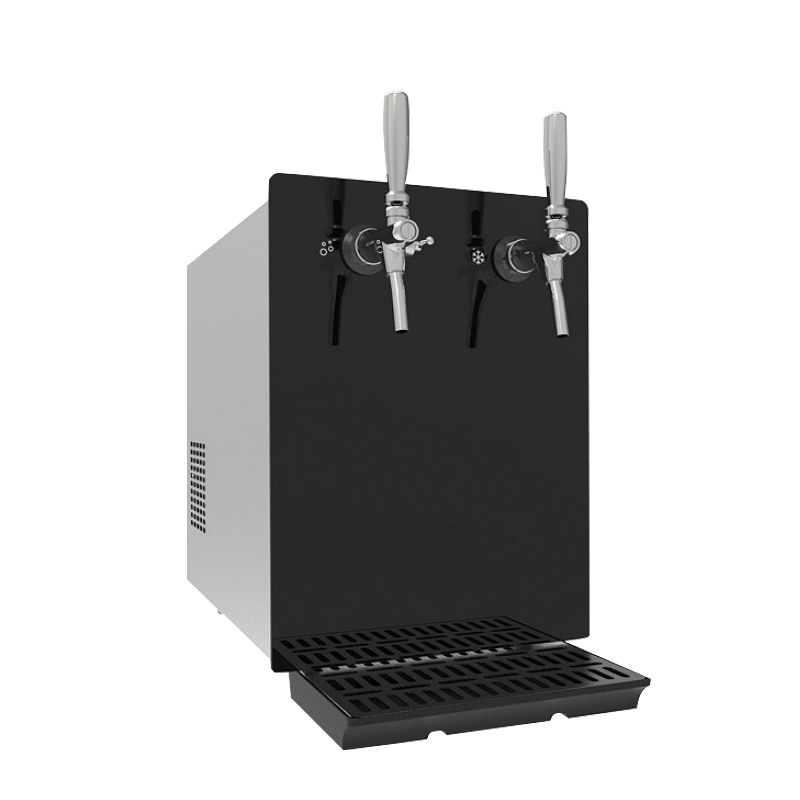
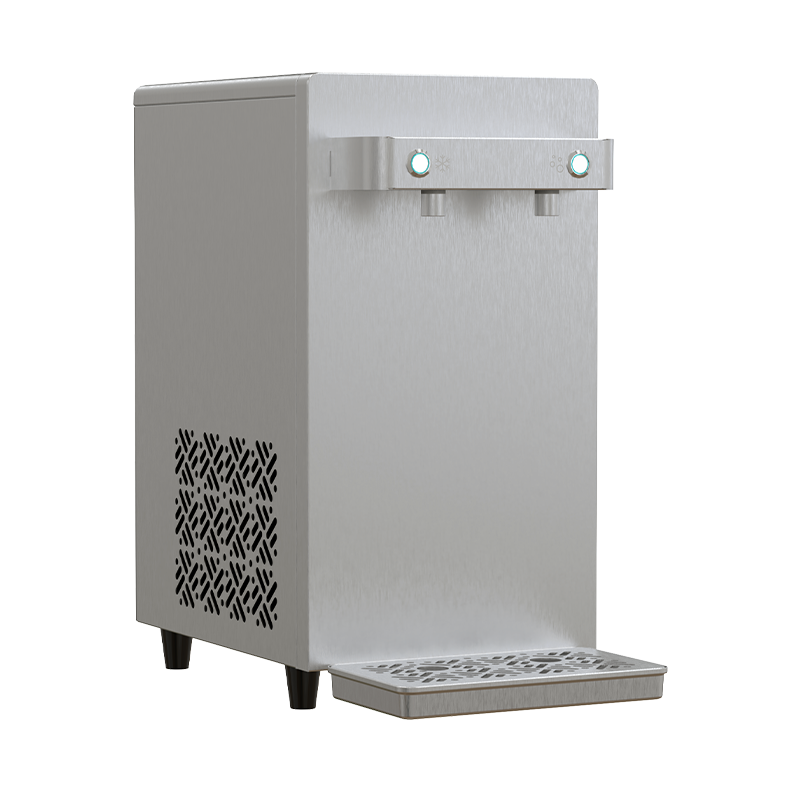
Countertop dispensers sit on the bar surface and are immediately accessible to staff. They work well in compact bars, service stations, or venues where the dispenser doubles as a visible feature. QX Soda's range of countertop sparkling water dispensers designed for high-volume HORECA service includes multi-tap models that can serve sparkling, chilled, and ambient water from a single unit — reducing equipment count while increasing output options.
Undercounter dispensers are installed beneath the bar surface, keeping the working area clear while maintaining immediate availability. They're the preferred choice in high-end venues where bar aesthetics are tightly controlled. The undercounter sparkling water systems for bars and restaurants in the commercial series are engineered for discreet, high-output installation with flexible tap configurations.
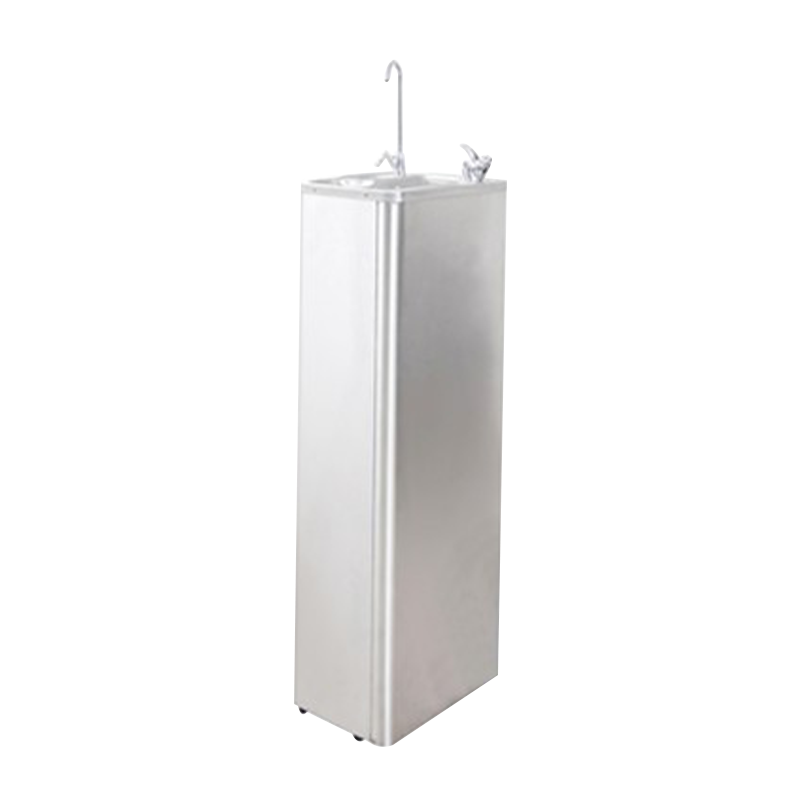
Floor-standing units are appropriate for larger venues, banquet bars, or situations where counter and under-counter space is unavailable. They can also serve multiple service points simultaneously via extended plumbing runs. Explore floor-standing commercial water dispensers for hospitality environments for options suited to multi-station bar setups.
| Format | Best For | Space Requirement | Installation Complexity |
|---|---|---|---|
| Countertop | Compact bars, service stations | Low (bar surface) | Low |
| Undercounter | High-end venues, clean aesthetics | Moderate (cabinet space) | Medium |
| Floor-Standing | Large venues, multi-station setups | Dedicated floor area | Medium–High |
Compliance and Certification Standards for Bar Beverage Equipment
Any dispenser operating in a commercial bar must meet established food safety and sanitation standards. The most relevant in North America is NSF/ANSI 18, which covers manual food and beverage dispensing equipment — including soda guns, sparkling water dispensers, and related valves and components. This standard sets minimum requirements for materials, design, construction, and cleanability of any device that dispenses beverages into customer-facing containers.
Specifically, NSF/ANSI 18 requires that all food-contact surfaces be accessible for cleaning and sanitization, that dispensing mechanisms avoid cross-contamination with cup lips, and that temperature-holding performance meet defined thresholds for cold service (41°F / 5°C). For European market equipment, the equivalent marker is CE certification combined with EU Framework Regulation No. 1935/2004 on food contact materials — a standard that hydraulic bar gun systems, for example, are explicitly engineered to meet.
UL certification addresses electrical safety for powered units, while CSA marking is relevant for the Canadian market. When evaluating any dispenser, confirm which certifications apply to your region and verify them through the certifying body's database rather than relying on manufacturer claims alone. For a full overview of NSF food equipment standards, see the official NSF food equipment standards portfolio.
Maintenance Practices That Protect Drink Quality and Equipment Life
A dispenser that isn't maintained consistently delivers inconsistent results — and in a bar context, that means off-tasting drinks, service interruptions, and potential health code issues. The maintenance schedule depends on system type, but several practices apply universally.
- Daily cleaning of nozzles and drip trays — Residue from syrups or mineral-rich water accumulates quickly and provides a surface for bacterial growth. Nozzles should be removed and sanitized after every service shift.
- Weekly line flushing — All beverage lines should be flushed with approved sanitizing solution and rinsed thoroughly. For sparkling water systems, this typically means running the cleaning cycle recommended by the manufacturer.
- Filter replacement on schedule — Carbon and UF filters in water dispensers have defined service lives measured in liters processed. Overdue filters compromise water taste and carbonation quality. Track replacement intervals and don't defer them.
- CO₂ level monitoring — Low CO₂ pressure produces flat, under-carbonated drinks. Check cylinder levels before each service period and keep a spare cylinder on site for high-volume operations.
- Annual deep service — Carbonators, valves, and refrigeration components benefit from a full inspection and service by a qualified technician once per year, particularly in high-throughput environments.
For venues operating at high traffic volumes, investing in a system designed specifically for durability under sustained use pays off in reduced downtime and lower long-term maintenance costs. See our detailed overview of durable sparkling water systems built for high-traffic service areas for guidance on what to look for in heavy-duty commercial specifications.

 ADDRESS
 CONTACT
 EMAIL
EMAIL