




 Language
 English
 Español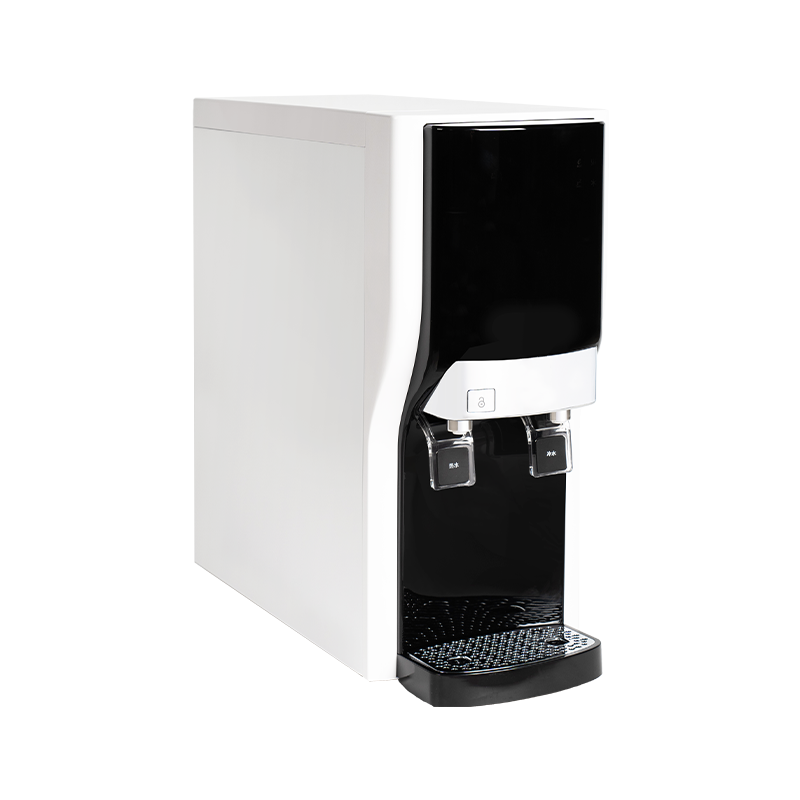
HOT PRODUCTS
Content
- 1 Office hydration equipment can directly support wellness goals
- 2 Why hydration belongs in a workplace wellness strategy
- 3 Which types of office hydration equipment are most useful
- 4 How to match hydration equipment to office needs
- 5 Placement matters as much as the equipment itself
- 6 Features that make employees actually use hydration stations
- 7 How hydration equipment can support measurable wellness outcomes
- 8 Common mistakes that weaken hydration programs
- 9 A practical setup plan for offices that want better hydration
- 10 Conclusion
Office hydration equipment can directly support wellness goals
The clearest answer is this: office hydration equipment supporting wellness goals works best when it makes water easier to access, more appealing to drink, and simpler to manage throughout the day. In practice, that means placing the right equipment close to work areas, break rooms, and shared spaces so employees can refill quickly without interrupting their workflow.
Hydration is not a minor comfort issue. The National Academies references adequate total daily water intake at about 3.7 liters for men and 2.7 liters for women, including water from beverages and food. In workplace settings, even mild underhydration can contribute to fatigue, headaches, lower concentration, and reduced comfort during long desk hours, meetings, or physically demanding tasks.
For most offices, the goal is not to install the most advanced system. The goal is to remove friction. If employees need to walk too far, wait in line, or dislike the temperature or taste of available water, usage drops. A good setup therefore supports wellness by combining accessibility, hygiene, temperature control, refill convenience, and clear daily habits.
Why hydration belongs in a workplace wellness strategy
Wellness goals often focus on energy, comfort, productivity, and prevention. Hydration supports all four. Research summarized in peer-reviewed reviews has linked mild dehydration, often defined around 1% to 2% body water loss, with poorer attention, short-term memory, reaction time, and mood. That matters in offices where sustained concentration is required for writing, analysis, customer support, design, finance, and management.
Hydration also supports practical outcomes that employers care about:
- Fewer complaints about dry mouth, headaches, and afternoon fatigue
- Better support for employees in warm indoor conditions or physically active roles
- A healthier alternative to relying only on sugary or highly caffeinated drinks
- Visible reinforcement of wellness culture through daily, low-effort habits
This is why hydration equipment should be treated as infrastructure for employee well-being rather than as a simple kitchen accessory.
Which types of office hydration equipment are most useful
Different offices need different hydration solutions. A small team with one shared room may need only one central refill point, while a large floor plan may need multiple stations to reduce walking distance and waiting time.
Filtered water dispensers
These are a strong fit for most offices because they improve taste and make regular drinking more attractive. They are especially useful where staff avoid tap water due to flavor, odor, or temperature concerns.
Bottle refill stations
Refill stations help employees maintain hydration at their desks and reduce disposable cup waste. They work well in offices that encourage reusable bottles as part of broader sustainability and wellness initiatives.
Chilled and ambient water systems
Temperature preference matters more than many managers expect. Some employees drink more when water is cold, while others prefer room temperature. Offering both can noticeably improve usage.
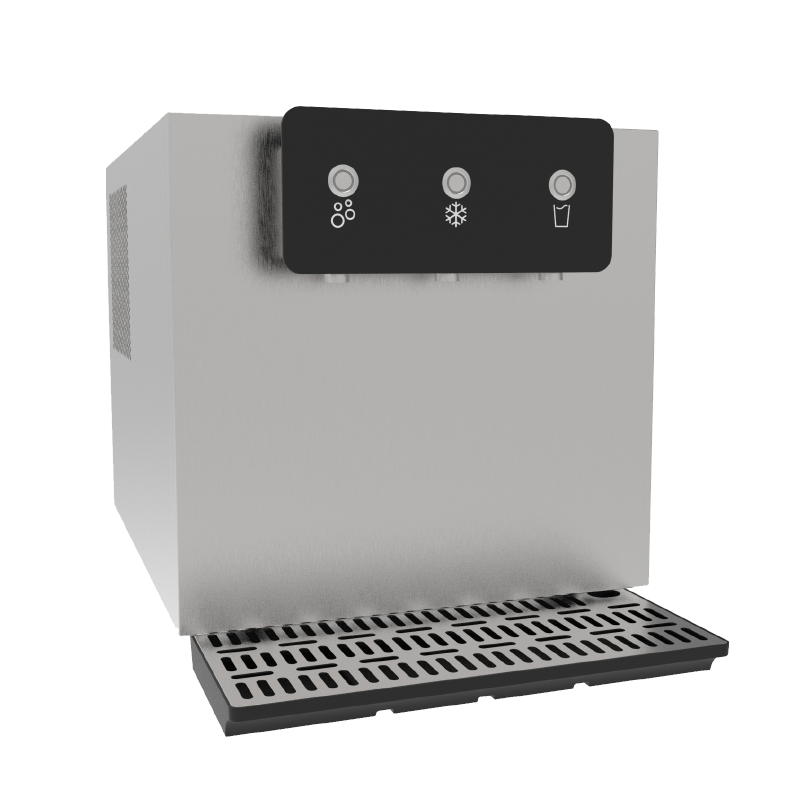
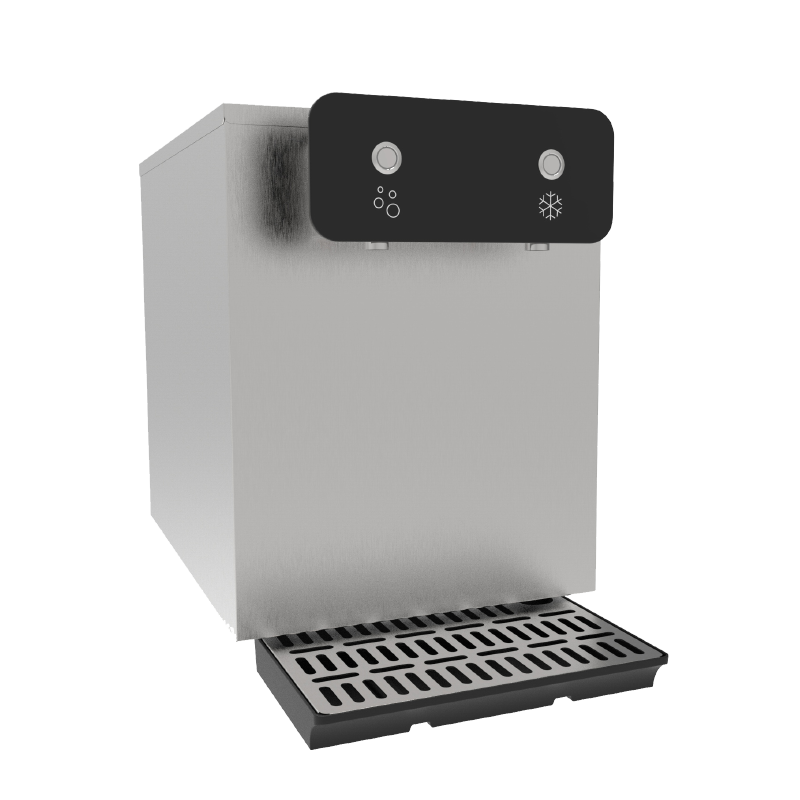
Sparkling water dispensers
In offices where people default to soft drinks, sparkling options can increase water consumption by making hydration feel more satisfying without depending on high-sugar choices.
Touch-free dispensing systems
Touch-free features support hygiene goals, particularly in shared spaces. They also reduce visible concerns about shared-contact points, which can affect employee willingness to use communal equipment.
How to match hydration equipment to office needs
| Office need | Best equipment type | Why it supports wellness goals |
|---|---|---|
| Small office with shared pantry | Filtered dispenser | Improves taste, simplifies daily access, encourages repeat use |
| Large floor plan | Multiple refill stations | Reduces travel time and keeps hydration close to work zones |
| High-traffic shared area | Touch-free system | Supports hygiene and improves confidence in communal use |
| Employees prefer alternatives to soda | Still and sparkling system | Makes water more appealing and supports healthier beverage habits |
| Warm indoor work areas | Chilled water dispenser | Increases comfort and encourages more frequent drinking |
A useful rule is to choose equipment based on distance, demand, hygiene expectations, and employee preference. If the office has more than one main work zone, one hydration point is usually not enough.
Placement matters as much as the equipment itself
Even good equipment fails if it is poorly placed. The strongest results usually come from making water visible and convenient instead of hidden in one remote pantry. Employees are more likely to drink regularly when refill points fit naturally into their movement patterns.
Effective placement principles
- Place stations near entrances to break rooms, not inside crowded corners
- Add refill access near meeting rooms where long sessions reduce break opportunities
- Support desk-based teams with one nearby station per department or zone
- Use signage that is clear and practical, such as refill reminders rather than generic slogans
This is especially important during warmer months. Occupational safety guidance for hot environments often recommends planned water intake rather than waiting for thirst alone. That principle applies even more broadly in office life: people drink more consistently when the environment prompts the behavior.
Features that make employees actually use hydration stations
Equipment should be selected not only for technical function but also for user behavior. Usage increases when the system feels clean, quick, and pleasant.
- Fast refill speed helps employees avoid waiting during breaks.
- Reliable cooling improves satisfaction and can increase repeat use.
- Bottle-friendly height and clearance matter for larger reusable containers.
- Easy-clean surfaces support hygiene and maintenance routines.
- Visible filter or maintenance indicators improve trust in water quality.
- Touch-free activation can increase comfort in shared use environments.
A practical workplace wellness investment is usually one that raises daily use rates, not one with the longest feature list. In other words, simple equipment that employees consistently use is better than advanced equipment they ignore.
How hydration equipment can support measurable wellness outcomes
Hydration equipment becomes more valuable when it is tied to clear wellness goals rather than installed as a one-time convenience upgrade. The workplace can track simple indicators before and after implementation to judge whether the change is working.
Examples of measurable indicators
- Refill counts per day or per week
- Employee survey results on energy, comfort, and beverage habits
- Reduced reliance on disposable cups or sugar-heavy beverages in break areas
- Positive feedback from teams in meeting-heavy or warm work zones
For example, a company might set a wellness goal to increase water refills by 20% over three months or reduce purchases of sweetened drinks in office vending areas. These are narrow, realistic targets that connect the equipment to visible behavior change.
Common mistakes that weaken hydration programs
Many workplaces believe they have already covered hydration because a sink or one dispenser exists somewhere on site. In reality, several common mistakes reduce the wellness value of office hydration equipment.
- Installing too few stations for the number of employees
- Ignoring taste and temperature, which strongly shape behavior
- Treating maintenance as optional rather than scheduled
- Offering water access without encouraging reusable bottles or refill habits
- Placing stations in low-visibility locations that employees rarely pass
The most damaging mistake is assuming access automatically creates use. Usually, behavior improves only when access is convenient, pleasant, visible, and trusted.
A practical setup plan for offices that want better hydration
A strong hydration plan does not need to be complicated. It should combine equipment, placement, policy, and routine reminders.
- Map where employees spend most of their time, including meeting rooms and high-traffic work zones.
- Choose hydration equipment based on office size, traffic, and employee preferences for still, cold, ambient, or sparkling water.
- Add clear refill support such as reusable bottle encouragement and visible station signage.
- Set maintenance routines for cleaning, filter checks, and service tracking.
- Review refill data or employee feedback after 30 to 90 days and adjust placement if needed.
This approach keeps the program grounded in daily behavior instead of general wellness messaging.
Conclusion
Office hydration equipment supporting wellness goals is most effective when it improves convenience, taste, hygiene, and consistency at the same time. The right equipment does more than provide water. It helps employees drink it regularly, which supports energy, comfort, focus, and healthier daily routines.
For most workplaces, the best results come from practical choices: well-placed refill stations, filtered and temperature-flexible water options, easy maintenance, and simple behavior cues. That is how hydration equipment becomes a meaningful part of workplace wellness rather than an overlooked facility detail.


 ADDRESS
 CONTACT
 EMAIL
EMAIL