




 Language
 English
 Español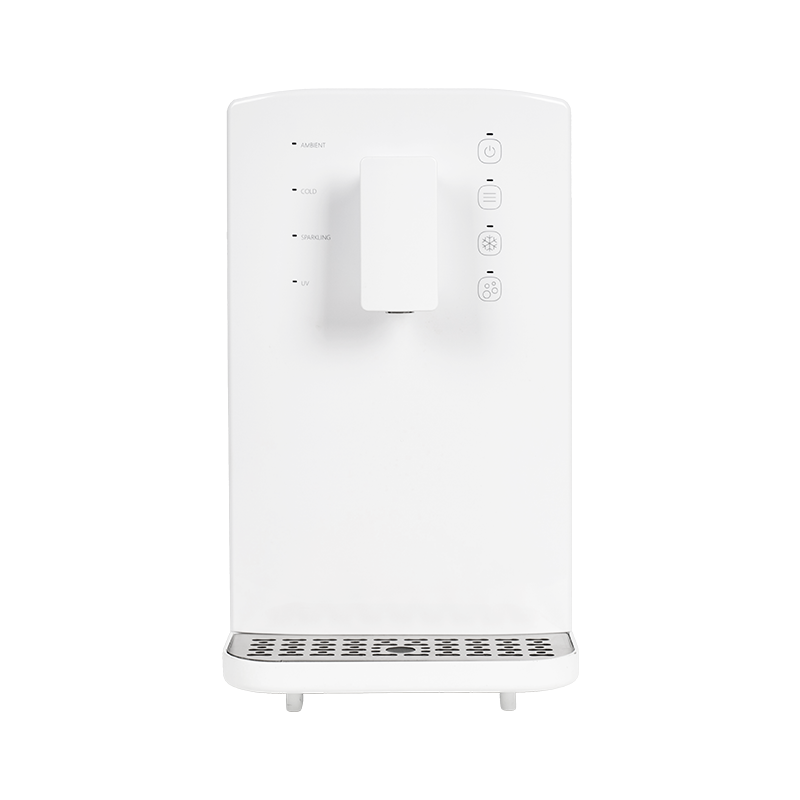
HOT PRODUCTS
Content
- 1 Why a Compact Sparkling Water Dispenser Belongs in Every Office Kitchen
- 2 Understanding the Different Types of Compact Sparkling Water Dispensers
- 3 Key Features That Directly Impact Daily Office Use
- 4 Space and Installation Reality Check for Small Kitchens
- 5 Cost Analysis: Upfront Investment Versus Long‑Term Savings
- 6 Maintenance and Hygiene: Keeping the Dispenser Running Smoothly
- 7 Employee Well‑being and Sustainability Benefits Beyond the Balance Sheet
- 8 Making the Final Decision: A Practical Selection Checklist
Why a Compact Sparkling Water Dispenser Belongs in Every Office Kitchen
A compact sparkling water dispenser is one of the most impactful upgrades a small or medium-sized office kitchen can make. It directly addresses three persistent workplace challenges: high beverage costs, excessive plastic waste, and uneven employee hydration. Rather than stocking refrigerators with cans and bottles—where a single office of 30 people can easily consume over 150 units of sparkling water per week—a countertop or slim freestanding unit provides unlimited chilled, filtered sparkling water on demand. The result is a typical 70% reduction in per‑serving costs, a dramatic cut in single‑use packaging, and a sleek appliance that occupies less than 0.2 square meters of counter space. For most offices, the investment pays for itself in 6 to 10 months, after which the ongoing expense is limited to food‑grade CO₂ cylinders and an annual filter change.
Equally important is the subtle cultural shift. When sparkling water is just a button press away, employees drink more water throughout the day and reach less often for sugary sodas. In a 2023 workplace wellness survey across 120 U.S. offices, sites that introduced on‑tap sparkling water saw a 22% average increase in daily water intake among staff. The health and productivity ripple effects, combined with the environmental and financial logic, make a compact sparkling water dispenser a rare, genuine win‑win for office managers.
Understanding the Different Types of Compact Sparkling Water Dispensers
Not all sparkling water dispensers are created equal, and the term “compact” can cover several distinct form factors. Choosing the right type determines how easily the unit integrates into an existing office kitchen. The three main categories—countertop, under‑sink, and slim freestanding—each have their own strengths for confined spaces.
Countertop Carbonators
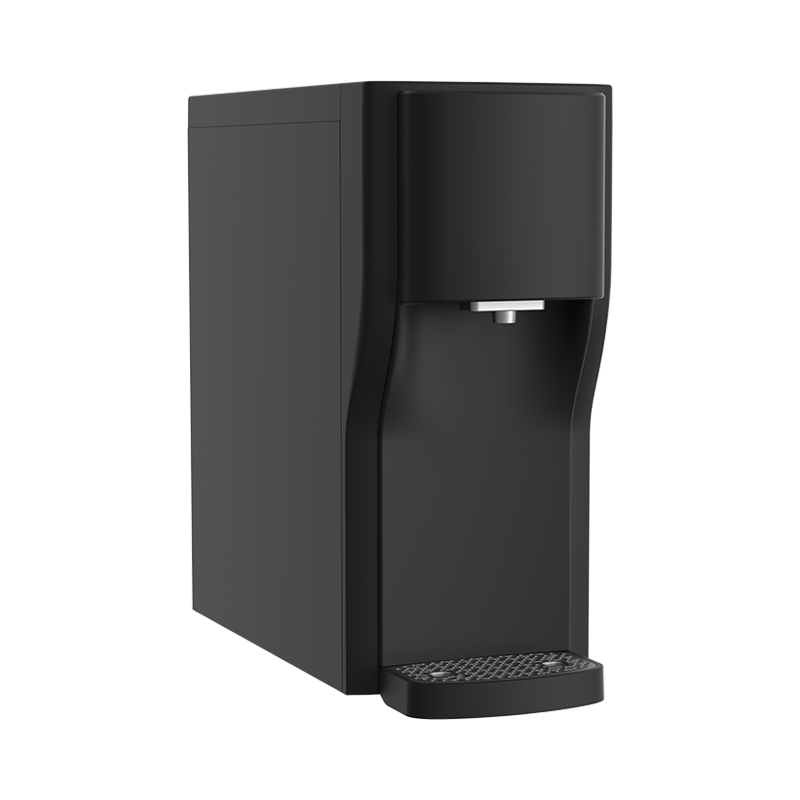
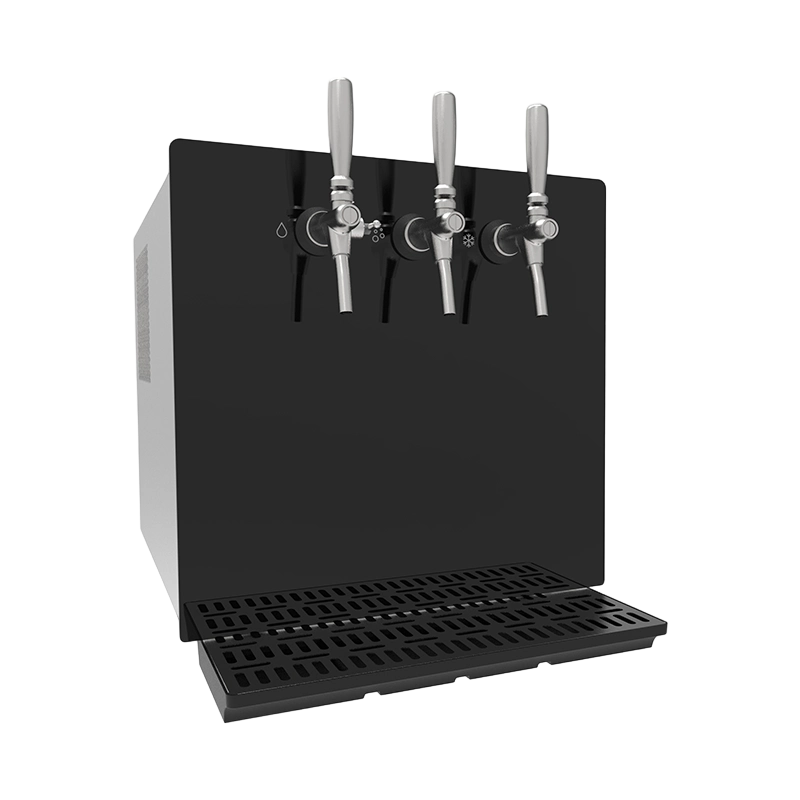
These are the most common and installation‑flexible options. The entire system sits on a worktop, typically requiring only a nearby power outlet and, optionally, a water line if you want automatic refilling. Many countertop models use refillable water tanks (1.5 to 4 liters), which means zero plumbing is required—ideal for leased offices or shared pantries where drilling into countertops is not allowed. The trade‑off is that the water tank needs periodic manual refilling, and the unit does occupy visible counter real estate.
Under‑Sink Systems with a Compact Faucet
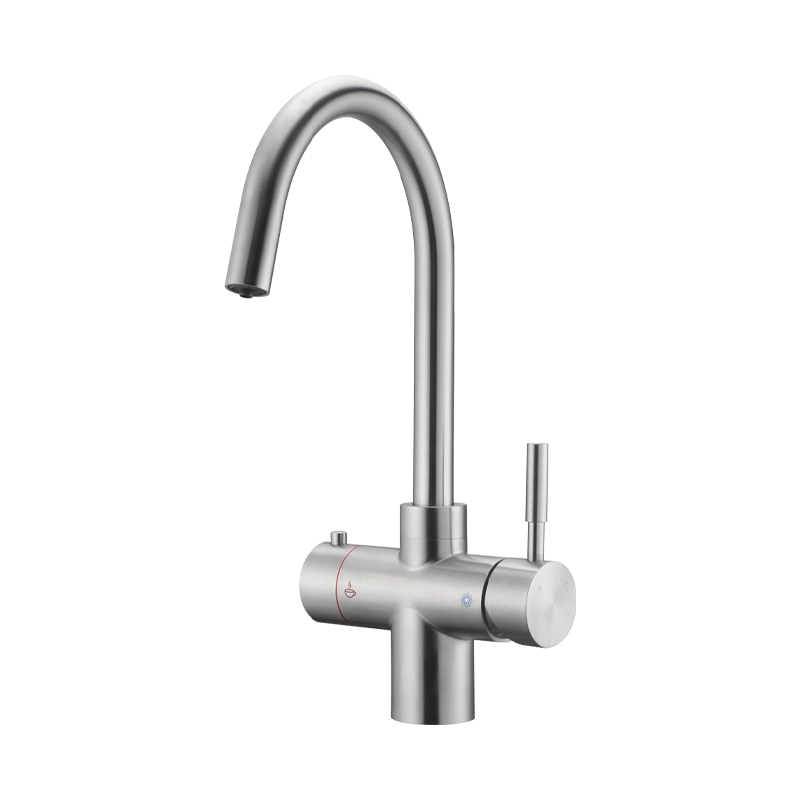
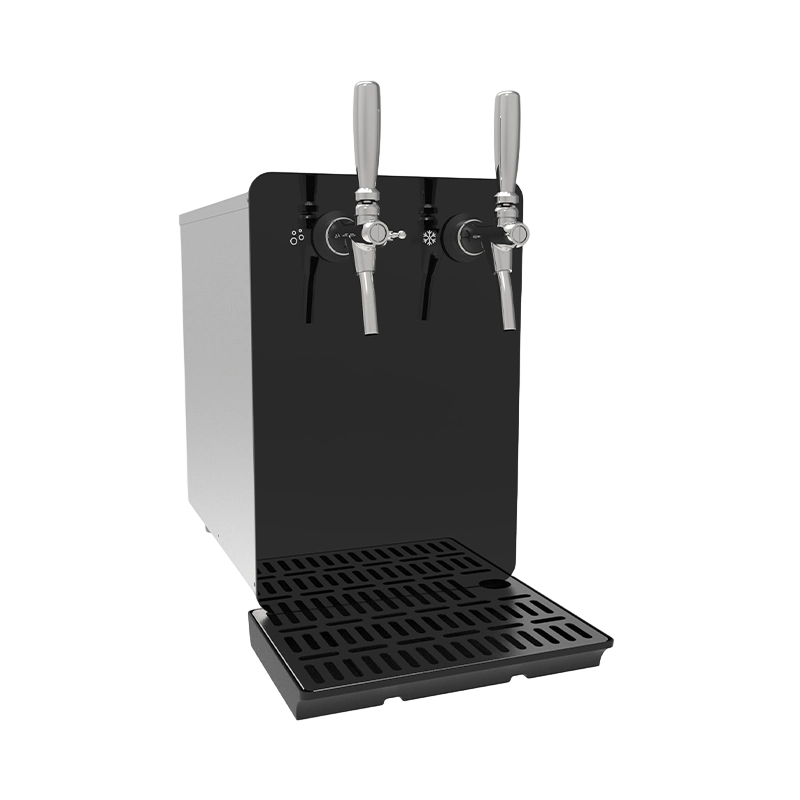
If countertop clutter is a primary concern, under‑sink carbonators move the machinery out of sight. The carbonation unit, CO₂ cylinder, and often a multi‑stage water filter fit inside the cabinet beneath the sink, connected to a dedicated, slim tap mounted on the sink or countertop edge. The visible footprint shrinks to a small faucet and perhaps a control dial. Installation is more involved and often requires professional plumbing, but the result is a permanently plumbed, clutter‑free sparkling water source. These systems are especially suited for kitchens that already have a chilled water line or expect heavy daily usage.
Slim Freestanding Dispensers
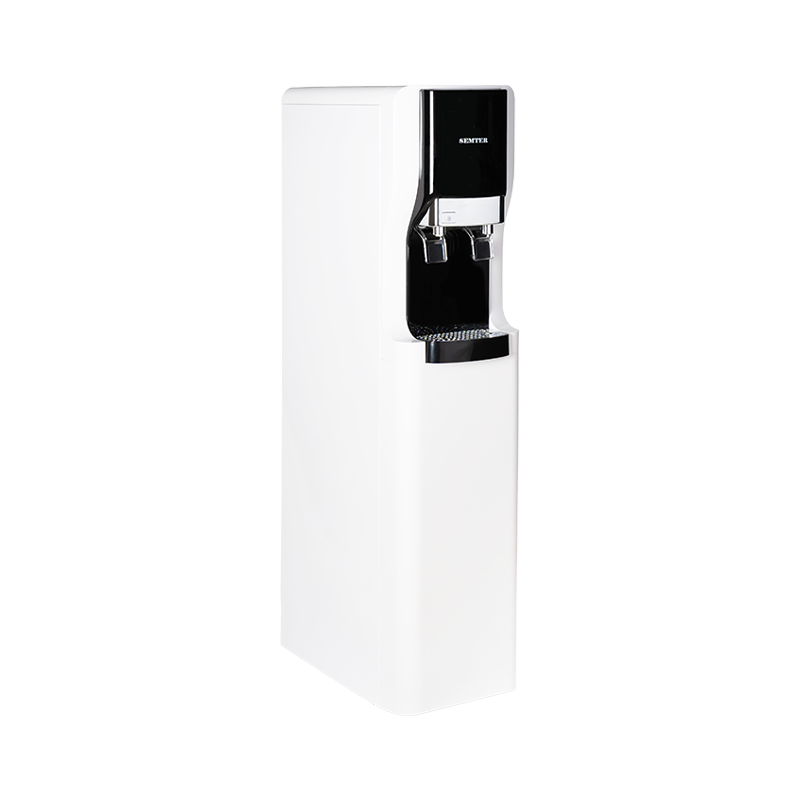
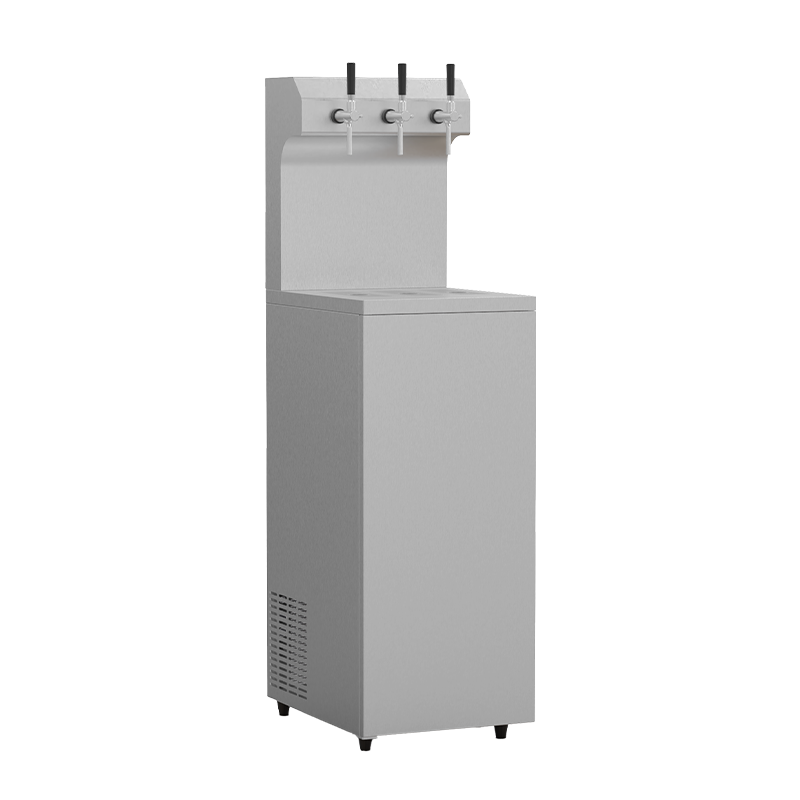
A handful of manufacturers offer upright freestanding units deliberately designed with a narrow profile—some as slim as 25 cm wide. These floor‑standing models often resemble a sleek, miniaturized water cooler and combine chilling, filtration, and carbonation in one column. They need a power outlet and sometimes a direct water hookup, but they make a statement as a dedicated hydration station in a corner of the kitchen. Their larger internal chilling tanks can serve bigger teams without the delay of a countertop model’s smaller cooling reservoir.
Key Features That Directly Impact Daily Office Use
When evaluating models, focusing on a handful of practical features prevents buyer’s remorse and ensures the dispenser is genuinely embraced by the team, not ignored after the first month.
- Adjustable carbonation levels. A model with at least three carbonation settings accommodates individual preferences—lightly sparkling for easy drinking throughout the day, high fizz for those who want soda‑like intensity. In a shared office, this flexibility dramatically increases usage.
- Integrated water filtration. Dispensers that include a built‑in activated carbon or multi‑stage filter improve taste and remove chlorine, sediment, and off‑flavors from municipal water. Units without filtration demand that the office already has high‑quality water or that a separate filtration system is in place; otherwise, the sparkling water will carry the same taste issues as the tap.
- Chilling performance and cooling reservoir size. For an office with 15–40 employees, a cooling reservoir of at least 1 liter is advisable to avoid tepid water during peak times. Some compact countertop models hold as little as 0.6 liters of chilled water, which empties after three or four glasses and needs time to re‑cool.
- CO₂ cylinder compatibility. Many compact carbonators use proprietary screw‑in cylinders, while others accept widely available standard food‑grade CO₂ canisters. Standard cylinders are generally cheaper and simpler to exchange locally. Verify the cylinder size—a 425‑gram cylinder typically produces around 60 liters of sparkling water, so a larger cylinder reduces the frequency of changes.
- Quiet operation. The whir of a compressor and the hiss of carbonation can be distracting in an open‑plan office adjacent to the kitchen. Look for decibel ratings under 48 dB if noise is a concern, and check that the pump cycles are not continuous.
- Drip tray and spill management. A generously sized, removable drip tray catches inevitable overflows and keeps the counter clean. Trays that are dishwasher‑safe simplify daily housekeeping.
Space and Installation Reality Check for Small Kitchens
Compact doesn’t mean “fits everywhere without planning.” Measuring available space and understanding hookup requirements before ordering eliminates the frustration of a returned appliance. The table below outlines typical dimensional and utility needs for the three main dispenser styles.
| Dispenser Type | Typical Width × Depth | Water Hookup Required | Counter Space Needed |
|---|---|---|---|
| Countertop (tank‑fed) | 18–25 × 35–45 cm | No (manual fill) | Roughly a microwave’s footprint |
| Under‑sink system | Unit hidden; tap ~5 cm diameter | Yes (cold water line) | Only a small tap on the sink/counter |
| Slim freestanding | 25–30 × 35–40 cm | Usually yes (or bottle feed) | A small floor corner or gap |
In kitchens where a dedicated sink area is already crowded, a countertop unit placed near the coffee machine often blends naturally into the beverage station. Under‑sink systems require a minimum cabinet depth of 45 cm and adequate ventilation to prevent the compressor from overheating. Always confirm that the CO₂ cylinder fits comfortably inside the intended compartment—some cabinets are too shallow for standard 2‑kg cylinders. For plug‑in models, ensure a grounded outlet is within 1.5 meters of the planned spot to avoid daisy‑chaining extension cords in a wet zone.
Cost Analysis: Upfront Investment Versus Long‑Term Savings
The financial case for an office sparkling water dispenser becomes compelling once you calculate the true cost of canned or bottled alternatives. Consider a mid‑sized office that currently purchases three 24‑packs of 330 ml canned sparkling water per week, at roughly $18 per pack. That’s $54 weekly, or $2,808 per year on ambient cans alone. Refrigerated individual bottles are often more expensive. A quality compact countertop dispenser costs between $350 and $800 to purchase outright, with ongoing costs limited to CO₂ refills (around $15–$25 per cylinder, each yielding approximately 60 liters) and a replacement water filter every 6–12 months ($25–$50). For the same consumption volume—roughly 3,100 liters of sparkling water annually—the running cost typically lands between $650 and $950. The annual savings exceed $1,800 from year one, and the higher the usage, the faster the payback.
There are also hidden savings that don’t appear on a receipt: reduced storage space for bulk packs of cans, less frequent restocking labor, elimination of recycling hauling costs for aluminum and plastic, and lower refrigeration energy because you are no longer cooling dozens of individual containers. Offices that previously relied on a water cooler service with sparkling water bottles see even sharper drops, as those rental fees and per‑bottle charges are entirely eliminated.
Maintenance and Hygiene: Keeping the Dispenser Running Smoothly
A common hesitation about bringing a sparkling water dispenser into the office is the fear of hidden maintenance burdens. In reality, the routine is simple if it is made explicit from day one. The three core tasks are:
- CO₂ cylinder replacement. On average, a cylinder lasts 2–4 weeks in a busy office. Keep one spare cylinder on hand and designate a person or rotating responsibility to swap it when the bubbles dwindle. Most food‑grade cylinders can be exchanged at local retailers, making the process a quick errand.
- Water filter change. Filters are typically rated for 600–1,200 liters or 6 months, whichever comes first. A calendar reminder on the office management platform ensures this isn’t forgotten. Neglecting a filter leads to degraded taste and can allow contaminants to pass through.
- Surface and nozzle cleaning. Wipe down the exterior, drip tray, and dispensing nozzle weekly with a food‑safe sanitizer. Every 3–4 months, run a cleaning cycle using a manufacturer‑recommended descaling or sanitizing solution to prevent biofilm buildup in internal lines. Many modern units have a dedicated cleaning program that automates much of this.
Setting up a simple, visible cleaning log near the dispenser removes ambiguity. In offices that have adopted this practice, 91% of staff reported no issues with taste or cleanliness over a 12‑month period, according to a facility management survey covering 200 workplace beverage stations. The key is making maintenance part of the existing kitchen cleaning routine, not an afterthought.
Employee Well‑being and Sustainability Benefits Beyond the Balance Sheet
The impact of a compact sparkling water dispenser stretches beyond cost and convenience. It becomes a daily, visible reminder of the organization’s commitment to health and sustainability, and it changes behavior in meaningful ways.
- Hydration density increases. Employees who find plain still water unappealing often turn to sparkling water as an alternative, drinking more often and in greater volumes. Adequate hydration is linked to improved cognitive performance, fewer afternoon slumps, and reduced headache complaints.
- Single‑use plastic and aluminum plummet. A single dispenser can prevent the disposal of over 8,000 cans or bottles per year in an office of 40 people, drastically shrinking the company’s waste footprint. This aligns with corporate ESG goals and often strengthens internal green team initiatives.
- Equity and inclusion. Freely available, high‑quality sparkling water ensures that all employees, regardless of whether they bring their own beverages, have access to an appealing, health‑promoting drink. It removes the subtle “canned drink hierarchy” that sometimes emerges in office fridges.
Making the Final Decision: A Practical Selection Checklist
Before finalizing a purchase, run through this practical checklist to align the dispenser with your office’s real‑world constraints and habits.
- Measure the available counter or floor space exactly—include clearance for the drip tray, CO₂ cylinder access, and ventilation gaps.
- Confirm whether a water line is feasible; if not, limit the search to manually filled countertop units.
- Check the decibel rating in the product specifications if the kitchen is adjacent to work areas.
- Choose a model with at least three carbonation levels to accommodate diverse tastes.
- Opt for standard, non‑proprietary CO₂ cylinders unless the proprietary exchange network is exceptionally convenient in your area.
- Verify the cooling reservoir size: for teams larger than 20, target a minimum of 1.5 liters of chilled capacity.
- Establish who will own the filter and cylinder replacement schedule before the dispenser arrives.
Selecting a compact sparkling water dispenser is not about chasing the most feature‑rich model; it’s about finding the unit that integrates seamlessly into the daily rhythm of your office kitchen. When the fit is right, the dispenser becomes an indispensable appliance—quietly saving money, cutting waste, and keeping teams refreshed with every fizzy pour.

 ADDRESS
 CONTACT
 EMAIL
EMAIL